As an Amazon Associate this site earns from qualifying purchases.
If you are figuring out how to tune Neptune Apex Trident on 100 gallon SPS dominant reef systems for the first time, the short answer is: calibrate with fresh reference solution, set alkalinity sampling every two hours, configure a ±0.2 dKH tolerance band, and link the Trident reads to a dosing pump through Apex Fusion. SPS corals demand alkalinity stability tighter than ±0.5 dKH per 24 hours, so the Trident's real value is feeding accurate, time-stamped trends into corrective doses rather than just sounding alarms. The workflow below is what experienced reefers use in 2026 to take a freshly mounted Trident from first reading to fully automated chemistry control.
Why the Trident is the right tool for an SPS-dominant 100 gallon
An SPS-dominant 100 gallon system has aggressive alkalinity, calcium, and magnesium consumption — often 2–4 dKH per day once colonies start encrusting and weekly fragging slows. Hobby titrators like Hanna checkers introduce 0.1–0.3 dKH of measurement noise per test, and most hobbyists rarely test more than once a day. The Trident runs an automated titration every hour (configurable) for alkalinity, plus calcium and magnesium on a slower rotation, so you get up to 24 alkalinity data points per day at a reagent cost of roughly $25–30 per month in 2026. On an SPS tank, that resolution is the difference between catching a 0.4 dKH drift in three hours and discovering tip burn 36 hours later.
Before you start tuning, confirm three things: the Trident firmware is current (4A_AT3 or later in 2026), the sample line is the shortest practical path from the sump to the Trident inlet (under 24 inches if possible), and the reagent bottles are room temperature and within their printed shelf life. Cold reagents skew titration endpoints, and a long looped sample line dilutes fresh sump water with stagnant tubing water.
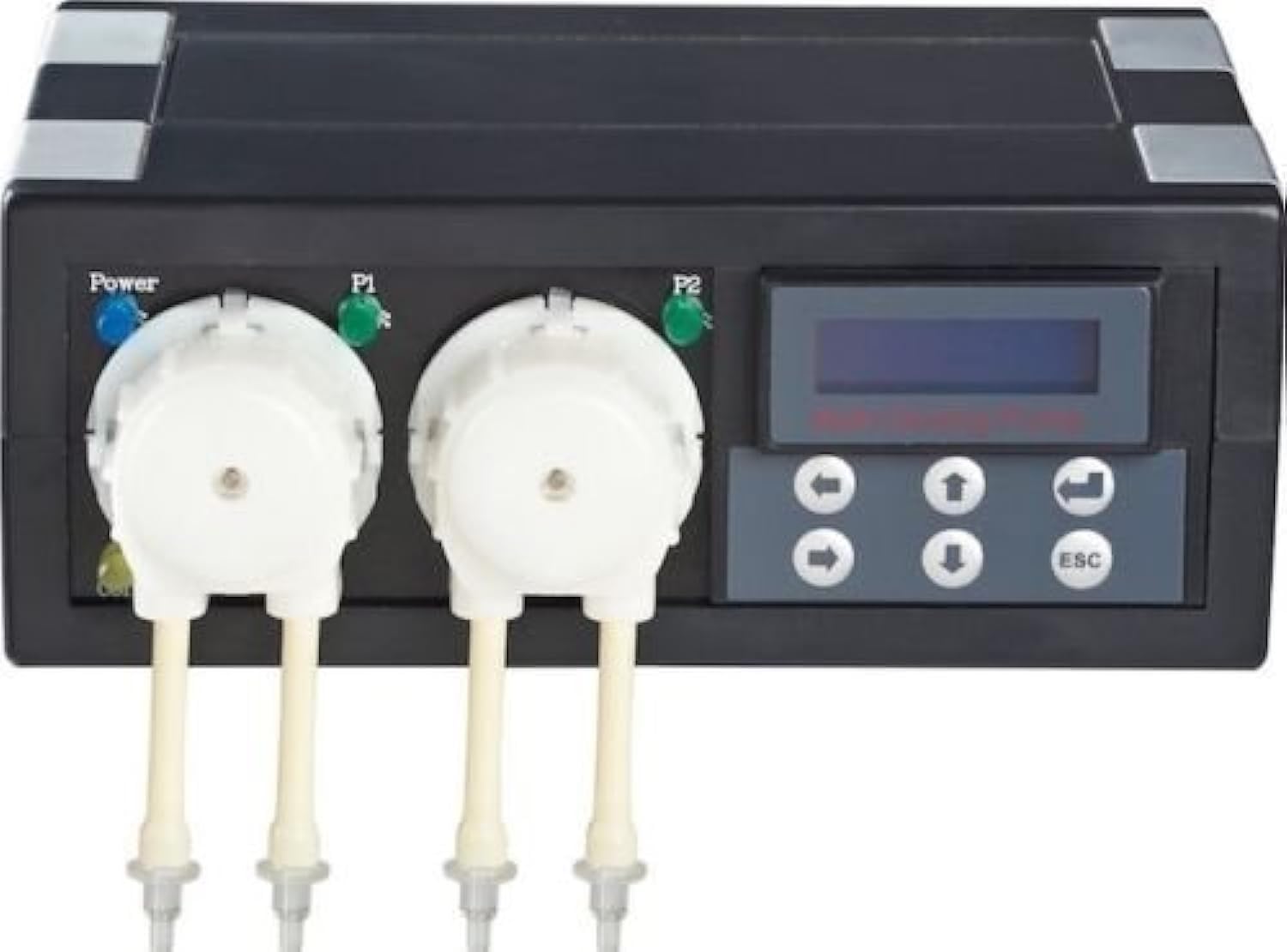
- High Capacity Dosing Range: Each channel provides 1 to 9999ml per day for flexible dosing requirements
- Programmable Scheduling: Each channel can be programmable up to 24 times per day for precise automated dosing
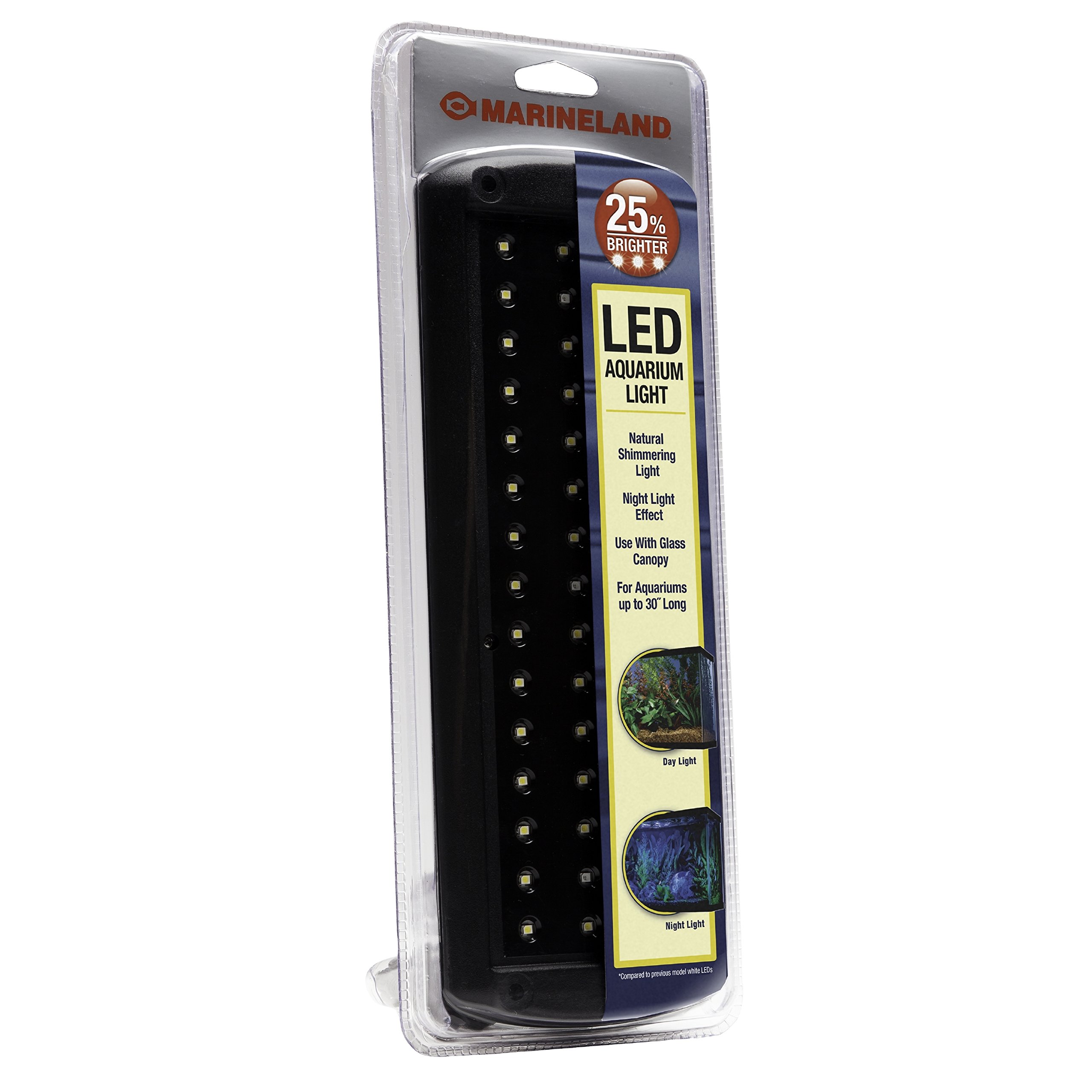
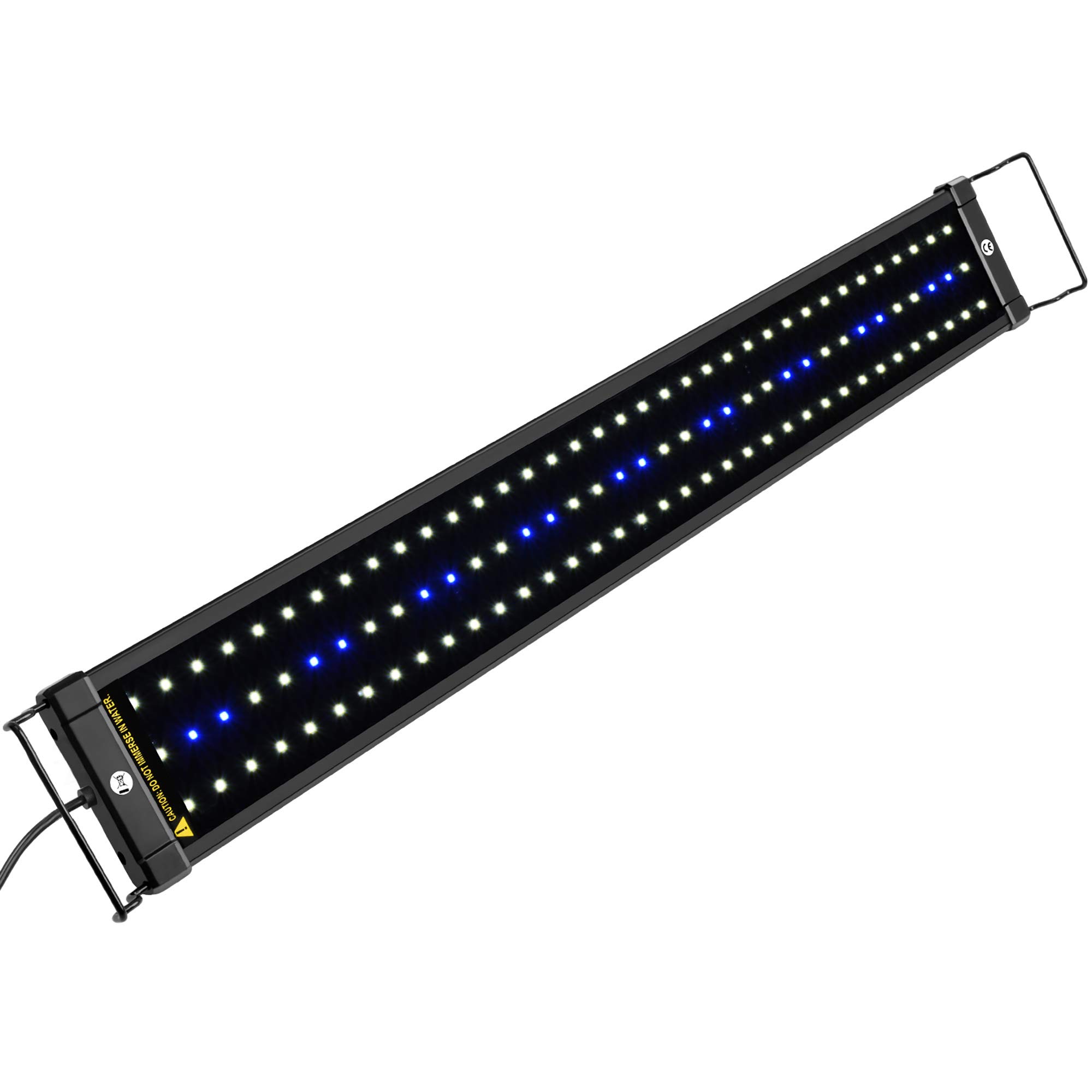
- BRIGHTER LIGHT: White LEDs create a shimmering illumination that mimics sunlight’s natural underwater effect – now 25% brighter compared to previous model white LEDs
- NIGHT LIGHT EFFECT: Enjoy your aquarium at night by switching to the blue night light mode
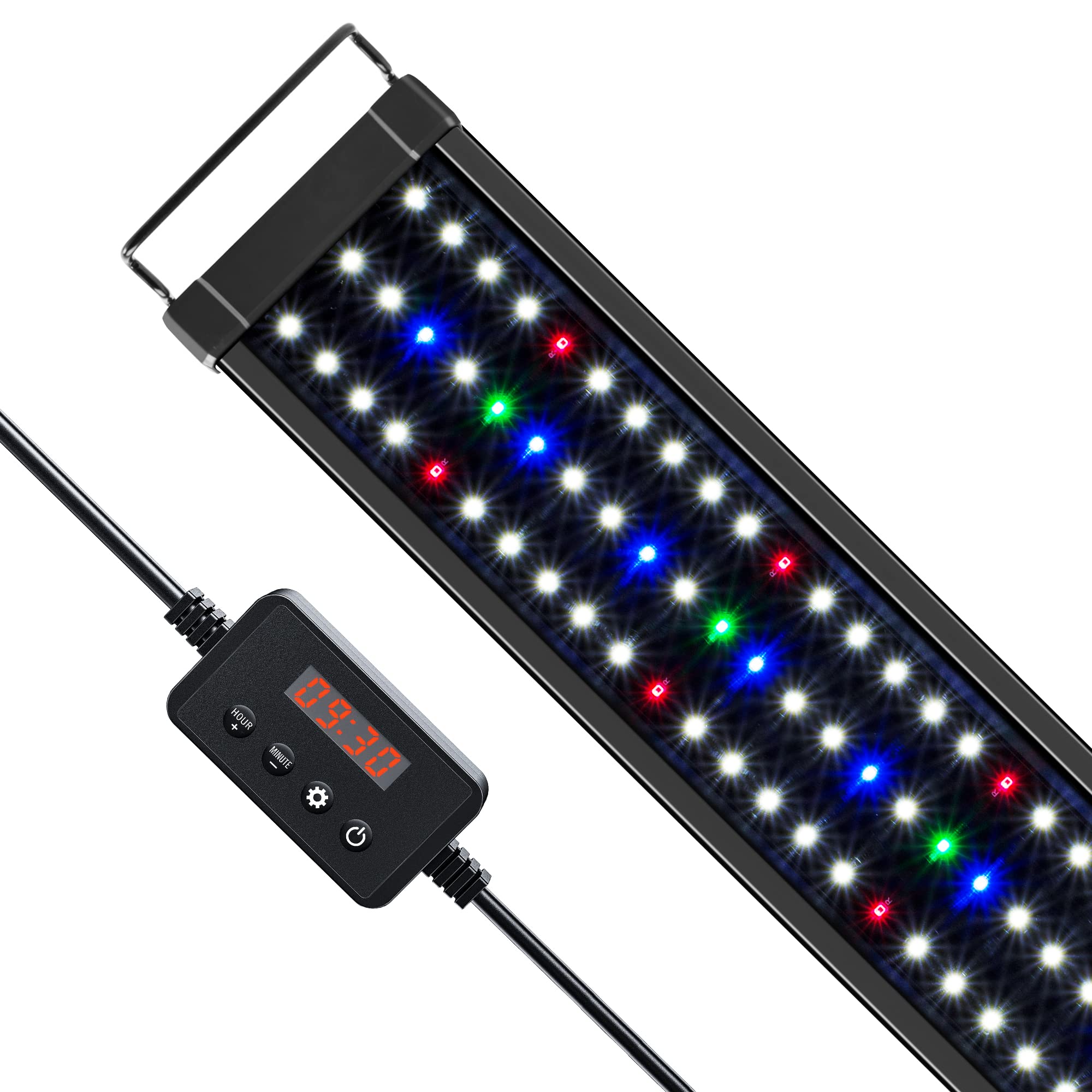
- The full-spectrum light combines 6500K white, 450nm blue, TRUE 660nm deep red and green LEDs, producing a fine-tuned color spectrum. Adjustable spectrum on 2 lighting modes
- Provides more options to adjust the auto On/Off time and brightness. Featured 15 or 30-minute ramp-up and dim-down to simulate natural sunrise and sunset, waking the fish up in
Choosing a dosing pump to pair with your Trident
The Trident gives you accurate numbers; the doser turns those numbers into corrective alkalinity. The three pumps most reefers pair with a Trident in 2026 are the Neptune DOS (native integration), the GHL Doser 2.1 SA (tightest per-dose accuracy), and the Jebao DP-4 (best dollar-per-channel). Each has a place on a 100 gallon SPS build.
| Doser | Channels | Per-dose accuracy | Apex/Fusion integration | Approx. price (USD, 2026) |
|---|---|---|---|---|
| Neptune DOS | 2 | ±0.1 mL | Native, plug-and-play | $310 |
| GHL Doser 2.1 SA | 4 | ±0.05 mL | Via virtual outlet | $420 |
| Jebao DP-4 | 4 | ±0.3 mL | Manual schedule only | $135 |
Step-by-step tuning workflow
1. Calibrate before the first real read
Run the in-Fusion calibration routine with Neptune's reference solution every time you swap to a new reagent lot. The two-point reference fluid forces the Trident to compute a new slope value rather than carrying the old one, which is the single biggest source of long-term drift complaints. Expect a calibration cycle to consume roughly 30 mL of reference and take about 25 minutes. Lock the Trident's lid afterward — even a slight pressure mismatch from a loose lid can throw off the vacuum that draws the sample.
2. Set sampling frequency for SPS demand
Default Trident behavior is a six-hour rotation that interleaves alkalinity, calcium, and magnesium tests. For a 100 gallon SPS-dominant build, switch to the “alkalinity every two hours, calcium every twelve, magnesium every twenty-four” pattern in Fusion's Trident settings. Calcium and magnesium move slowly enough that you do not need more frequent reads, and the time you free up gets reinvested into 12 alkalinity samples per day. Reagent consumption rises about 35%, but at $25–30 per month that's a small price for the resolution.
3. Configure tolerances, alarms, and rejection of bad reads
In the Trident outputs section, set the alkalinity tolerance band to your steady-state target ±0.2 dKH (so 8.0 dKH ± 0.2 if you run 8.0). Enable the “reject if delta > 0.5 dKH from previous read” filter — this catches air-bubble misreads and prevents one bad sample from triggering a panic dose. Tie a virtual output to “alkalinity below tolerance” and another to “alkalinity above tolerance” so you can address drift in either direction. Push notifications through Fusion mean you do not need to open the app to know something moved.
4. Link to a dosing pump and write a PID-style program
The Trident's value compounds when its readings drive the doser, not just your dashboard. Wire your two-part doser (a Neptune DOS, GHL, or Jebao DP-4 all work) so Fusion writes a corrective dose when the Trident reads outside the tolerance band. The simplest pattern: a base dose of, say, 60 mL per day of alkalinity supplement split into 24 hourly slugs, plus a +5 mL correction when the Trident reads below target and a 30-minute base-dose pause when it reads above. Avoid swinging the dose by more than 10% of the daily total per correction — SPS responds badly to chasing.
5. Validate against a hand check weekly
Once a week, run a Hanna alkalinity checker on a sump sample within five minutes of a Trident read. The two numbers should agree within 0.15 dKH. If they consistently diverge, recalibrate. This is also when you confirm reagent volumes — the Trident reports remaining mL in Fusion, but a glance at the bottles catches early evaporation or a slipped tubing connection.
Dialing in alkalinity for an SPS-dominant system
Most experienced SPS keepers in 2026 run alkalinity between 7.8 and 8.5 dKH and pick a number based on light and nutrient regime. Higher light and slightly higher nitrate (5–10 ppm) tolerate higher alk (8.3–8.5), while ultra-low-nutrient systems do better at 7.8–8.0. Whatever you choose, the Trident's job is to keep you within ±0.2 dKH of that number around the clock. Calcium should sit between 420 and 450 ppm and magnesium between 1320 and 1380 ppm — the Trident's six- and twenty-four-hour cadences are plenty for these two.
If you are still finalizing your supplement strategy, our aquarium water quality guide covers the supplement chemistry behind two-part, kalkwasser, and calcium reactor approaches so you can pick the one that matches your demand and budget.
Common mistakes that ruin Trident accuracy
Even after you have learned how to tune Neptune Apex Trident on 100 gallon SPS dominant reef builds, a few habits silently erode accuracy. Watch for these:
- Sampling from the display tank. Always sample from the sump. Display flow is unpredictable and a film of bubbles at the inlet will junk a read.
- Mounting the Trident below the sump waterline. The unit needs to be at or above sump water level so the sample drains back cleanly. Below-waterline mounting siphons reagent into the sump.
- Skipping calibration on a new reagent lot. Lot-to-lot variance is small but real; one minute of calibration prevents a slow 0.3 dKH bias.
- Letting peristaltic tubing harden. Doser tubing loses 5–10% of delivered volume per six months as it work-hardens. Replace it on a calendar, not when something looks wrong.
- Base-dose-only corrections. Setting the Trident to only adjust the daily base dose makes corrections lag by 12–24 hours. Use hourly correction slugs instead.
Neptune DOS — the no-friction pairing
If you want the Trident's readings to drive doses without any custom scripting, the DOS is the obvious answer. Fusion exposes the DOS as a first-class device, so a Trident-low-alkalinity event can fire a correction slug with three clicks instead of three lines of code. Two channels covers a standard two-part build (alk + cal). Add a second DOS for magnesium and trace elements when your demand justifies it.
GHL Doser 2.1 SA — when accuracy is the priority
The GHL is the most accurate pump on this list — ±0.05 mL per dose, half the variance of the DOS. On a 100 gallon SPS tank dosing 60 mL of alk supplement per day in 1 mL increments, that tighter accuracy translates into perceptibly smaller alkalinity swings. The trade-off is that Apex integration runs through virtual outlets rather than native commands, so expect 15 minutes of setup in Fusion the first time.
Jebao DP-4 — the budget four-channel option
The DP-4 cannot be driven by the Trident in real time — it runs on its own schedule. But on an SPS system with very stable consumption, a well-tuned base dose from a DP-4 plus periodic Trident-driven manual corrections is a workable budget setup. Our Jebao DP-4 review and our DP-4 vs Kamoer X1 Pro comparison cover the long-term reliability data on this pump.
Maintenance schedule that keeps the Trident honest
A Trident is only as accurate as its last calibration and as clean as its sample line. The schedule that keeps a 100 gallon SPS system trouble-free:
- Weekly: Compare Trident alkalinity to a Hanna checker. Empty the waste container.
- Monthly: Refill reagents. Check sample line for kinks or biofilm.
- Quarterly: Run the cleaning cycle with the Trident cleaning solution. Replace peristaltic tubing in your doser.
- Annually: Inspect O-rings and the manifold for salt creep. Review firmware updates.
Frequently Asked Questions
How often should the Trident sample alkalinity on an SPS-dominant 100 gallon?
Every two hours is the right cadence for SPS dominance. The default six-hour rotation is fine for mixed reefs, but SPS-only systems benefit from 12 alkalinity reads per day so the doser can correct drift within four hours instead of overnight. Calcium and magnesium can stay on six- and twenty-four-hour rotations to conserve reagent.
What alkalinity tolerance should I set on the Trident for SPS corals?
±0.2 dKH around your target is the sweet spot. Tighter than that and you will get nuisance alarms from normal titration variance. Wider than that and you lose the early-warning value that makes the Trident worth its reagent cost. SPS corals tolerate steady-state values across the 7.8–8.5 dKH range — what they hate is rapid change.
Can I drive my dosing pump directly from Trident readings?
Yes. In Fusion, create a virtual output tied to the Trident's “alkalinity below tolerance” condition, then assign that virtual output to fire an extra slug on your DOS or compatible doser. Keep correction slugs under 10% of your daily base dose to avoid chasing. This is the core of how to tune Neptune Apex Trident on 100 gallon SPS dominant reef chemistry without manual intervention.
How long do Trident reagents last on a 100 gallon SPS tank?
At the SPS-tuned cadence (alkalinity every 2 hours, calcium every 12, magnesium every 24), one reagent set lasts about 28–32 days. Buying reagents in three-packs cuts the per-month cost to roughly $25–30 in 2026 pricing.
Where should I plumb the Trident sample line on a sump?
The cleanest location is the return chamber, after the skimmer and any reactors, with the inlet 2–3 inches below the waterline and 4–6 inches away from any pump intake. This gives the Trident a homogenous, low-bubble sample. Avoid the skimmer section — even a single bubble can junk a read.
Does the Trident replace a calcium reactor on an SPS system?
No. The Trident is a measurement tool, not a chemistry source. On heavy SPS systems consuming more than 4 dKH per day, a calcium reactor or large two-part dosing schedule is still the supply mechanism. The Trident's role is keeping that supply mechanism honest. See our aquarium water care guide for a breakdown of when each supplement approach is appropriate.
Why are my Trident readings drifting 0.3–0.5 dKH from my Hanna checker?
Most often this is one of three things: stale reference solution, a reagent lot change without recalibration, or a partially obstructed sample line. Recalibrate first, then inspect the line for biofilm, then verify reagent dates. If the drift persists past those three checks, contact Neptune support — the titration valve assembly can wear after 18–24 months of heavy use.