Quick comparison at a glance
| Feature | Jebao DP-4 | Kamoer X1 Pro |
|---|---|---|
| Channels | 4 independent pumps | 1 pump (stackable via Wi-Fi) |
| Control | On-unit buttons, LCD | Smartphone app (Wi-Fi) |
| Minimum dose | ~1 mL | 0.1 mL |
| Typical accuracy | ±5–10% after calibration | ±2–3% after calibration |
| Tube type | Standard silicone peristaltic | BPT long-life tubing |
| Noise | Moderate clicking | Quiet, smoother motor |
| Calibration retention | Drifts over weeks | Holds longer, easy re-cal in app |
| Best for | Full 2-part + trace on a budget | Single-element nano dosing |
| Price tier | $ | $$ |
For nano reef keepers stuck choosing between the Jebao DP-4 vs Kamoer X1 Pro nano reef dosing pumps, the short answer is this: the Jebao DP-4 is the better value if you need to dose four separate two-part or trace elements on a tight budget, while the Kamoer X1 Pro is the smarter pick when you only need one channel but want app-level control, smoother peristaltic action, and tighter long-term accuracy for a small, sensitive reef. The DP-4 gives you four pumps in one box for less than the price of two single Kamoers; the X1 Pro gives you one pump that doses in 0.1 mL increments, holds calibration longer, and behaves like a piece of modern reef automation rather than a 2010-era timer.
Below is a full breakdown for nano reefers (roughly 5–40 gallons) who are deciding which dosing system actually belongs under their stand in 2026, including how each pump handles alkalinity swings, what to expect for noise at night, and which one is more forgiving when you inevitably forget to refill a container.
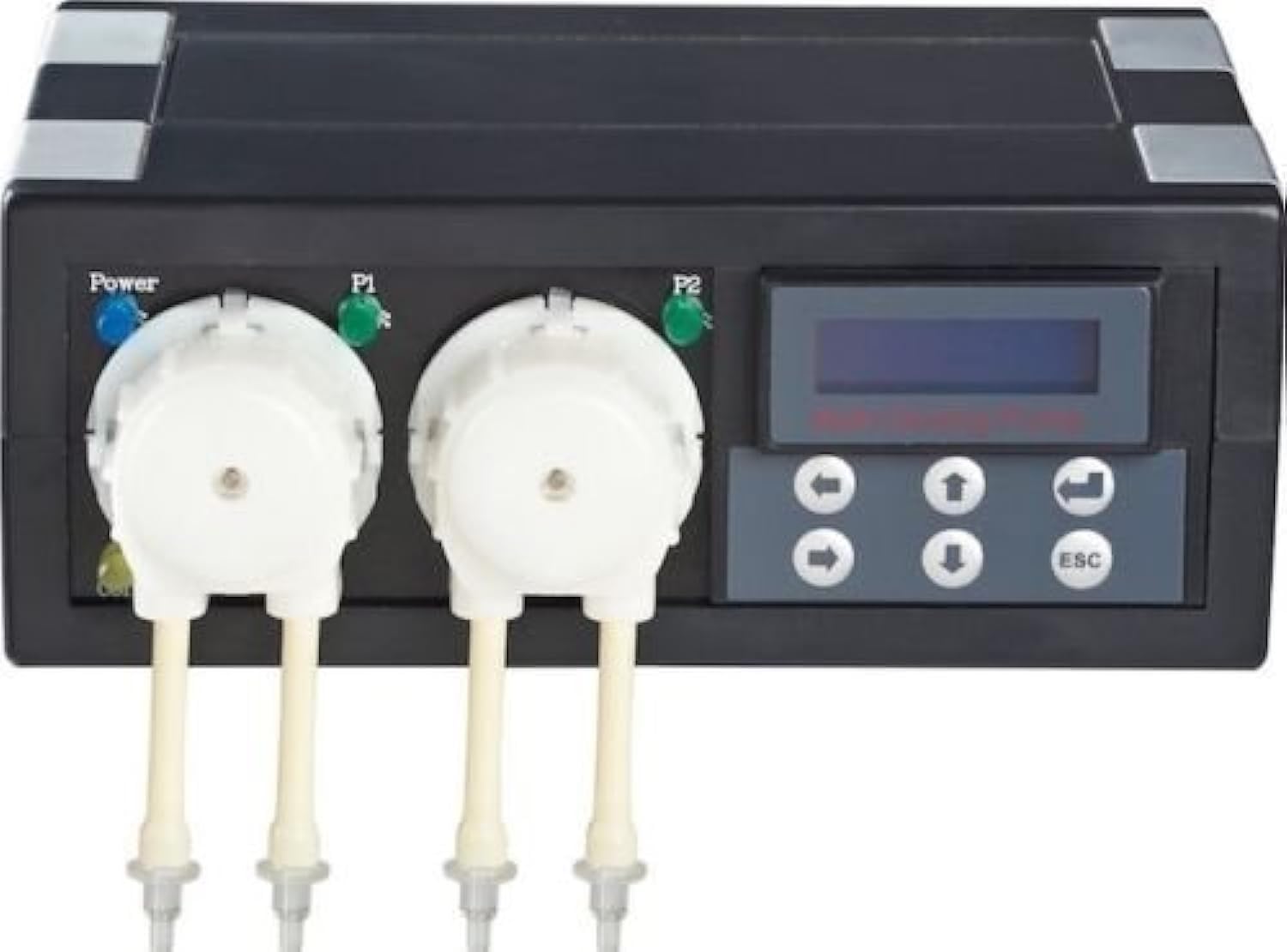
- High Capacity Dosing Range: Each channel provides 1 to 9999ml per day for flexible dosing requirements
- Programmable Scheduling: Each channel can be programmable up to 24 times per day for precise automated dosing
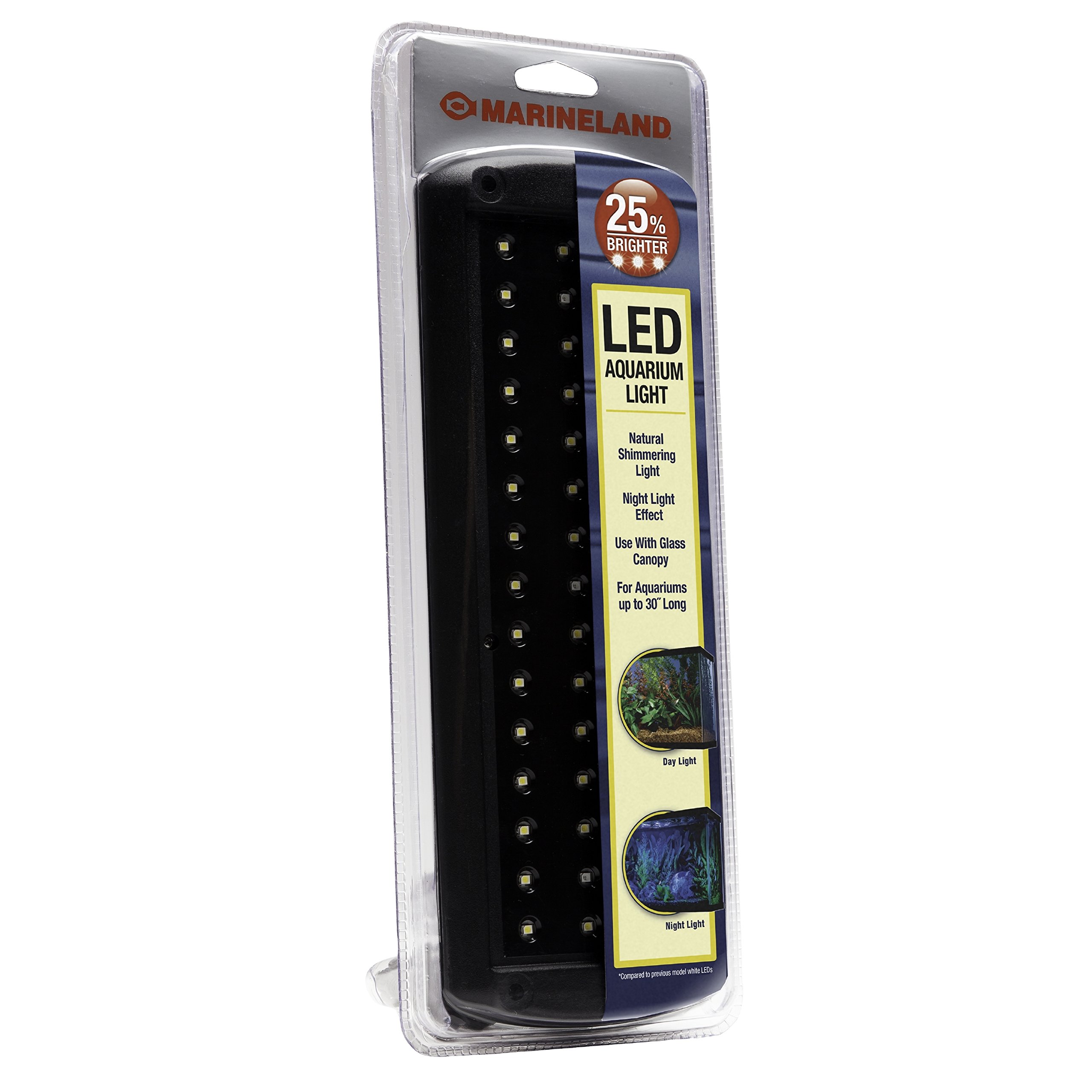
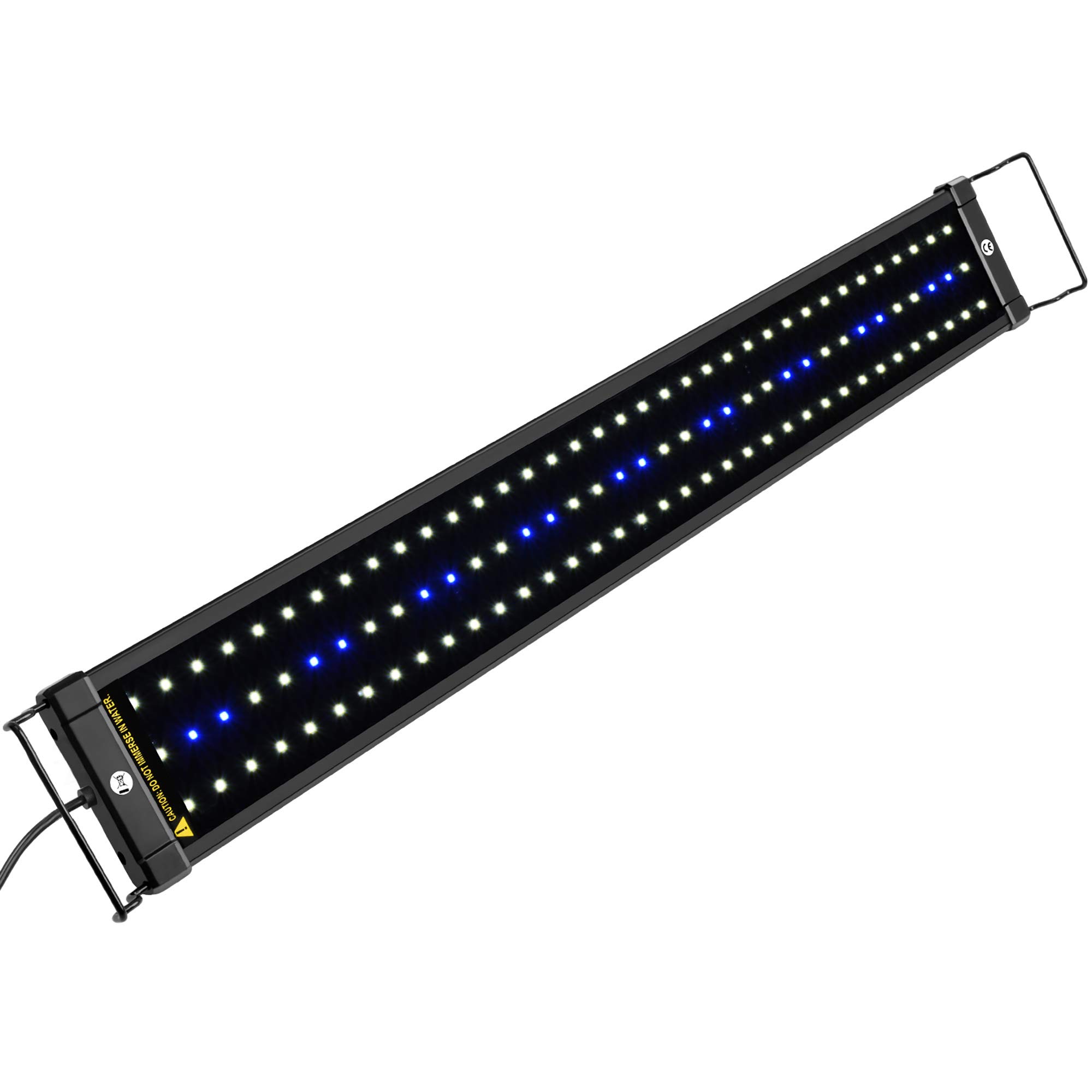
- BRIGHTER LIGHT: White LEDs create a shimmering illumination that mimics sunlight’s natural underwater effect – now 25% brighter compared to previous model white LEDs
- NIGHT LIGHT EFFECT: Enjoy your aquarium at night by switching to the blue night light mode
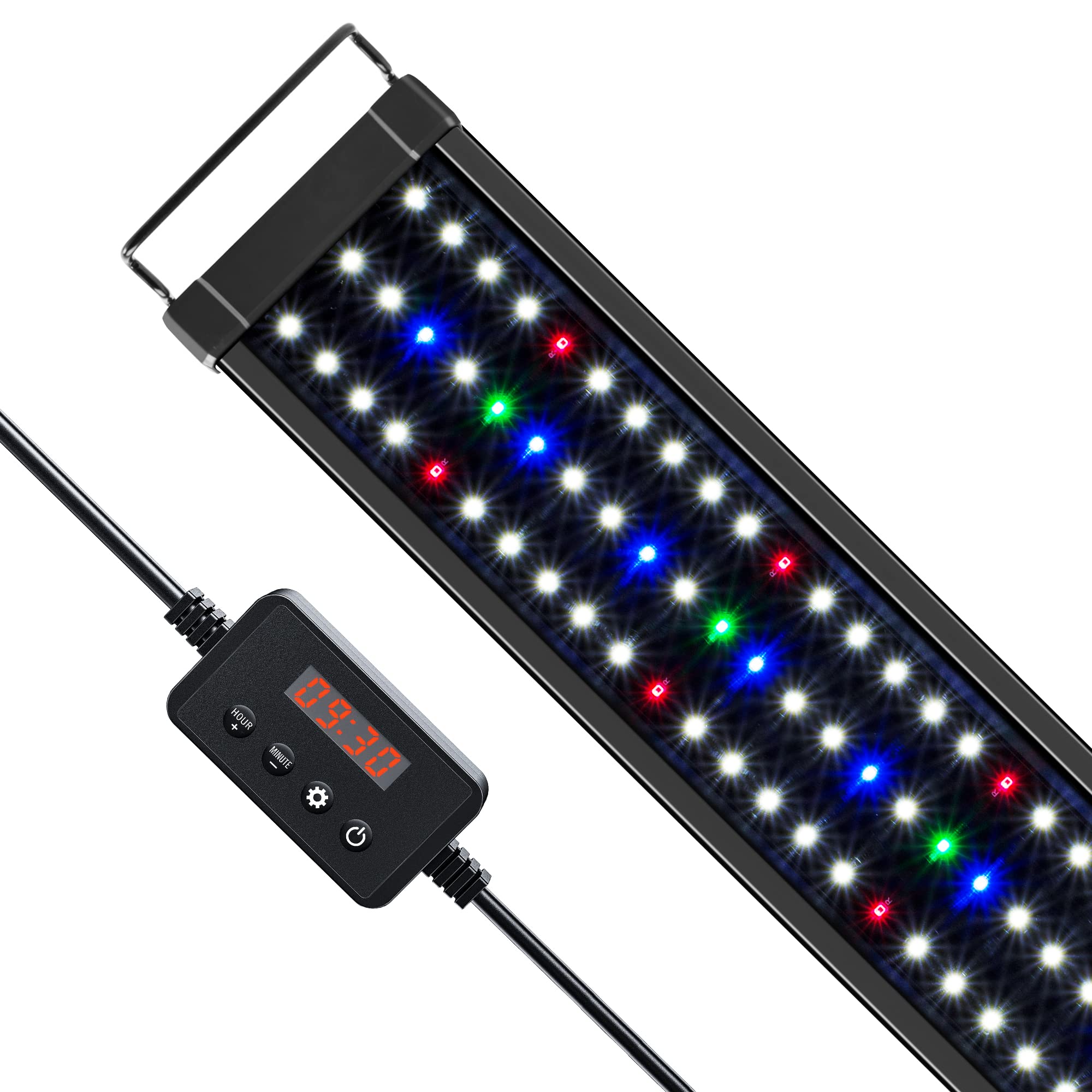
- The full-spectrum light combines 6500K white, 450nm blue, TRUE 660nm deep red and green LEDs, producing a fine-tuned color spectrum. Adjustable spectrum on 2 lighting modes
- Provides more options to adjust the auto On/Off time and brightness. Featured 15 or 30-minute ramp-up and dim-down to simulate natural sunrise and sunset, waking the fish up in
Why dosing matters more on a nano reef
On a 200-gallon mixed reef, a 0.5 mL overdose of alkalinity solution disappears into the water column. On a 10-gallon AIO nano, that same 0.5 mL can swing dKH by a measurable amount in minutes, and that is exactly how tissue necrosis (STN/RTN) starts on Acropora and Montipora. Nano reefs punish dosing pumps that are inaccurate, that drift between calibrations, or that dump a full daily dose in one shot instead of spreading it across the day.
That is the lens to evaluate the Jebao DP-4 vs Kamoer X1 Pro nano reef dosing debate through. Channel count is nice, but resolution, repeatability, and how often you have to recalibrate matter more on a small tank than on a 180 gallon display.
The Jebao DP-4 in a nano context
The DP-4 is the dosing pump most reefers cut their teeth on. It is four peristaltic heads in a single low-profile chassis, controlled by a small LCD and a handful of buttons. You set a time, a dose volume, and a number of dosing events per day per channel. There is no app, no Wi-Fi, no cloud. For a lot of people that simplicity is the appeal — it works when your router dies and there is nothing to "update."
For a nano reef, the DP-4's strengths are channel count and price. You can run alkalinity, calcium, magnesium, and a trace element like potassium or an all-in-one supplement from one box, all for less than a single high-end smart pump. The weaknesses show up in resolution and drift. The DP-4 doses in roughly 1 mL minimums per event, and on a small tank you often want to spread tiny doses across many events per day to avoid pH spikes. You can do this with the DP-4, but you are working at the edge of its accuracy. Plan on recalibrating each head monthly with a graduated cylinder, and plan on tubing replacements roughly every 6–12 months as the silicone fatigues.
Best for: budget-conscious nano reefers running full 2-part plus trace
If you want one box that handles your entire dosing schedule — alk, cal, mag, and a fourth channel for a trace or amino — the DP-4 is hard to beat on price per channel. Pair it with weekly alk testing (or a continuous monitor) and you will be fine on a nano. See the in-depth review here: Jebao DP-4 dosing pump review (2026).
The Kamoer X1 Pro in a nano context
The X1 Pro is a single-channel Wi-Fi dosing pump aimed at exactly the use case the DP-4 is weakest at: small, precise doses spread across the day, controlled from your phone. The X1 Pro can be programmed to dose as little as 0.1 mL per event, and it can fire dozens of those micro-doses across 24 hours. On a nano reef where dKH stability is the whole game, that is the difference between a flat alkalinity line and a sawtooth.
Kamoer's BPT tubing is also genuinely longer-lived than standard silicone, and the motor is noticeably quieter — important if your tank lives in a bedroom or office. The trade-off is obvious: one pump per element. A full 2-part plus magnesium nano build needs three X1 Pros, which gets expensive quickly. Most nano reefers solve this by using the X1 Pro for alkalinity (the most sensitive element) and dosing calcium and magnesium manually or with a cheaper second pump.
Best for: nano reefers prioritizing alkalinity stability and app control
If you want to set up one channel really well — typically alkalinity, the parameter most likely to crash your corals — the X1 Pro is the right tool. The app remembers calibration, lets you tweak doses from the couch, and the pump itself is precise enough that you can trust it on a 5–20 gallon tank without losing sleep.
Head-to-head: how they compare on the things that matter
Accuracy and repeatability
Out of the box, both pumps need calibration. After calibration, the X1 Pro typically holds within 2–3% of its target dose over weeks, while the DP-4 tends to drift to 5–10% over the same period, especially as tubing warms and softens. On a nano tank dosing 5 mL of alk per day, that is the difference between a 0.1 mL daily error and a 0.5 mL daily error — the latter is enough to move dKH meaningfully week over week.
Minimum dose and scheduling granularity
The X1 Pro wins clearly here. 0.1 mL minimums and unlimited daily events let you dose 24 times a day if you want, smoothing parameter swings on small water volumes. The DP-4 is workable for nanos but pushes you toward fewer, larger doses, which is less ideal when corals are sensitive to pH and alk excursions.
Noise
Both pumps are audible, but the DP-4 has a distinct mechanical click when it runs. On a nano in a living room, you will hear each dose event. The X1 Pro is smoother and quieter — not silent, but easier to ignore.
Setup and daily use
The DP-4 is plug-and-play. Wire the tubing, set times on the LCD, walk away. The X1 Pro requires a Wi-Fi connection and a Kamoer account, which some reefers dislike on principle. Once set up, though, adjusting doses from your phone while staring at a test result is genuinely better than crouching behind your stand poking at LCD buttons.
Reliability and tubing life
The DP-4's tubing is consumable — expect to replace at 6–12 months. The X1 Pro's BPT tubing typically lasts noticeably longer, and Kamoer sells replacements directly. Neither pump is immune to head failure over multi-year use, but both have decent track records.
Which one should you actually buy for a nano reef?
If your nano reef is mostly soft corals, LPS, and a few easy SPS, and you want to automate a full 2-part plus a trace element, buy the Jebao DP-4. Its accuracy is good enough for those animals, and four channels for the price is unbeatable. Calibrate monthly, replace tubing yearly, and it will run for years.
If your nano reef leans SPS-dominant, or you simply want the best alkalinity stability you can get on a small tank, buy the Kamoer X1 Pro and use it for alkalinity specifically. Dose calcium and magnesium manually a couple of times a week (small tanks don't consume much of either), or add a second X1 Pro later if budget allows.
The pump you should not buy is whichever one doesn't match your reef's biology. Don't put a DP-4 on an SPS-only nano because it was cheap; don't put a single X1 Pro on a mixed reef and then skip dosing calcium and magnesium because you ran out of channels.
Supporting gear that matters more than the pump
A dosing pump is only as good as the rest of your system. A few related guides worth reading before you finalize your nano build: maintaining optimal aquarium water quality, aquarium water care guide, and best aquarium filters 2026. Stable temperature also matters — a flaky heater on a nano can swing dKH consumption overnight — so check the top aquarium heaters of 2026 as well.
Frequently Asked Questions
Can I use the Jebao DP-4 on a 10 gallon nano reef?
Yes, with caveats. The DP-4's minimum dose of about 1 mL is workable if you spread doses across the day — say, six 0.5–1 mL events instead of one big morning dose. Calibrate each channel monthly with a graduated cylinder, and test alkalinity weekly. On a 10 gallon SPS tank you will be at the edge of its precision; on a softie or LPS nano of the same size it is more than enough.
Is the Kamoer X1 Pro worth it if I only need to dose alkalinity?
For most nano SPS or mixed reefers, yes. Alkalinity is the parameter most likely to crash corals when it swings, and the X1 Pro's 0.1 mL minimum dose plus many-events-per-day scheduling produces the flattest dKH line of any sub-$200 pump. If you keep only soft corals and a couple of LPS, a cheaper pump is fine.
How often do I need to recalibrate a Jebao DP-4 vs a Kamoer X1 Pro?
Plan on monthly recalibration for the DP-4 — the tubing softens and outputs drift. The X1 Pro typically holds calibration for two to three months before noticeable drift, and recalibration through the app is faster than the DP-4's manual button process.
Can I run both pumps together on one nano reef?
Absolutely, and many nano reefers do exactly this. Use the X1 Pro for alkalinity (the highest-precision need) and use two channels of a cheaper pump like the DP-4 for calcium and magnesium. You keep your most sensitive parameter rock solid and still automate the rest of your 2-part.
Does the Kamoer X1 Pro need an internet connection to dose?
No. Once the dosing schedule is loaded onto the pump, it will continue dosing on its programmed schedule even if your Wi-Fi or internet drops. You only need a connection to change settings or check status from your phone.
How loud is the Jebao DP-4 at night in a bedroom?
It produces a distinct mechanical clicking sound when running. Each dose event lasts only a few seconds, but in a quiet bedroom you will hear it. Many reefers schedule larger doses during the day and minimal dosing at night to reduce nighttime noise.
What tubing replacement schedule should I plan for?
For the DP-4, replace silicone tubing on each active head every 6–12 months, or sooner if you notice dose drift between calibrations. For the X1 Pro, Kamoer's BPT tubing typically lasts 12–18 months in light nano-reef use. Always recalibrate after any tubing change.
Where can I learn more about setting up a nano reef end to end?
Start with our tropical fish aquarium setup guide for the fundamentals of cycling and stocking, then layer in the dosing approach above once your reef is established and consuming measurable amounts of alkalinity and calcium.