As an Amazon Associate this site earns from qualifying purchases.
If you are chasing a Jebao SLW-30 rattle rimless glass owners know all too well, the cause is almost never the motor itself. It is the way a strong neodymium mount transmits high-frequency motor hum into a thin, unbraced 5-8mm panel that behaves like a speaker diaphragm. The fix is a layered approach: clean the propeller, re-bed the outer magnet with the correct shim, decouple the housing from the glass, and tune the controller so the pulse is not slamming the impeller against its bushings. Done in order, these steps reliably quiet a buzzing SLW-30 on a rimless build without voiding the warranty or hacking the pump.
Why the SLW-30 buzzes on thin rimless glass
The SLW-30 is a sine-wave gyre-style powerhead rated around 800-3000 GPH depending on speed. It uses a wet-side rotor riding on a ceramic shaft, held to the glass by a flat outer magnet pulling against a matching inner magnet inside the pump body. On a rimmed tank with 10mm or thicker glass, the panel is stiff and damped by the plastic frame. On a rimless build with 6mm or 8mm low-iron glass, there is no frame to absorb vibration and the panel itself resonates.
Three things compound the problem. First, the outer magnet is flat and hard; any tiny gap or grit lets it chatter against the glass. Second, the SLW pulse mode rapidly ramps the motor up and down, which excites panel resonance more than a steady stream pump would. Third, as biofilm builds inside the impeller well, the rotor wobbles slightly off-axis and that wobble is amplified by the thin glass. Identify which of the three is dominant and you can usually silence the pump in under thirty minutes.
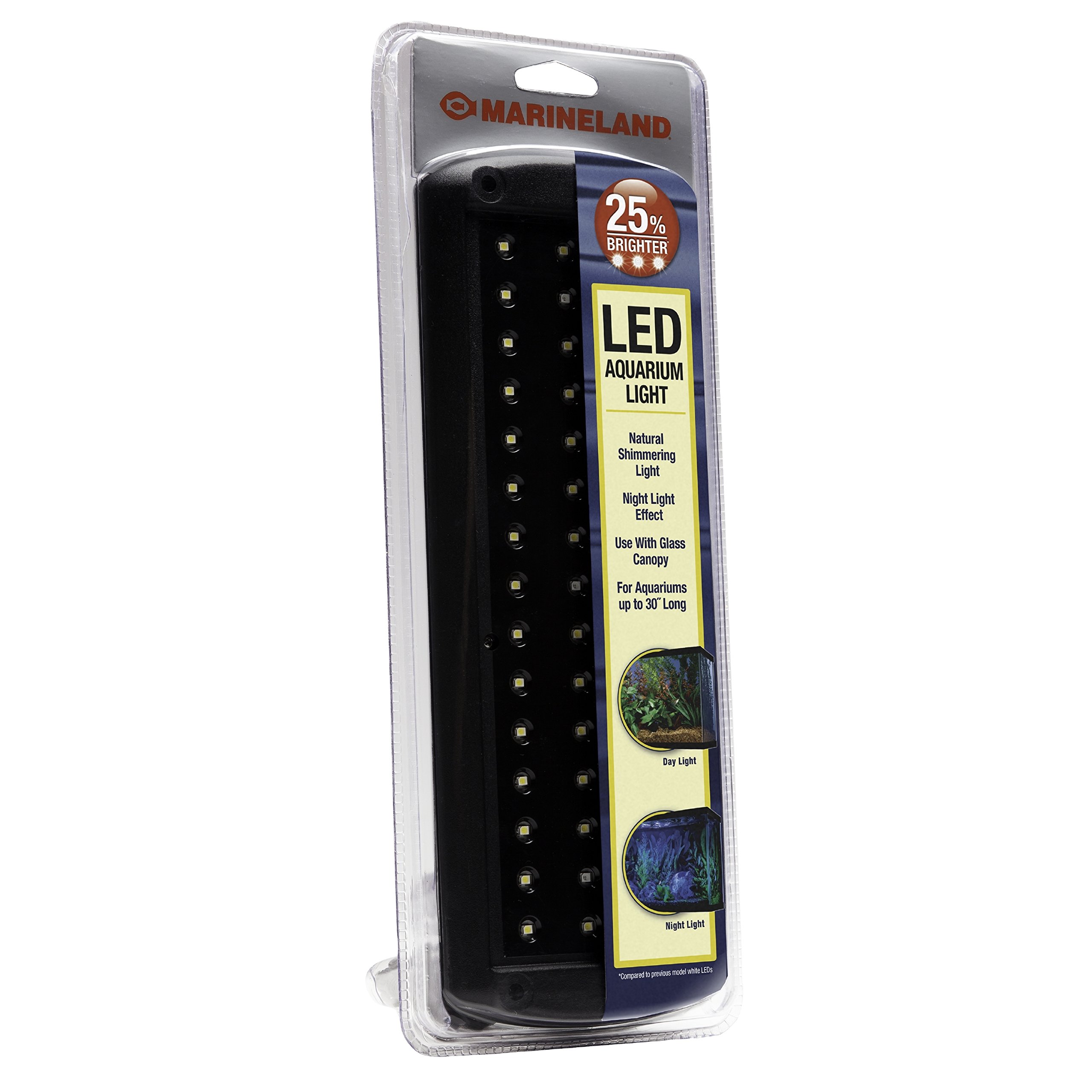
- BRIGHTER LIGHT: White LEDs create a shimmering illumination that mimics sunlight’s natural underwater effect – now 25% brighter compared to previous model white LEDs
- NIGHT LIGHT EFFECT: Enjoy your aquarium at night by switching to the blue night light mode
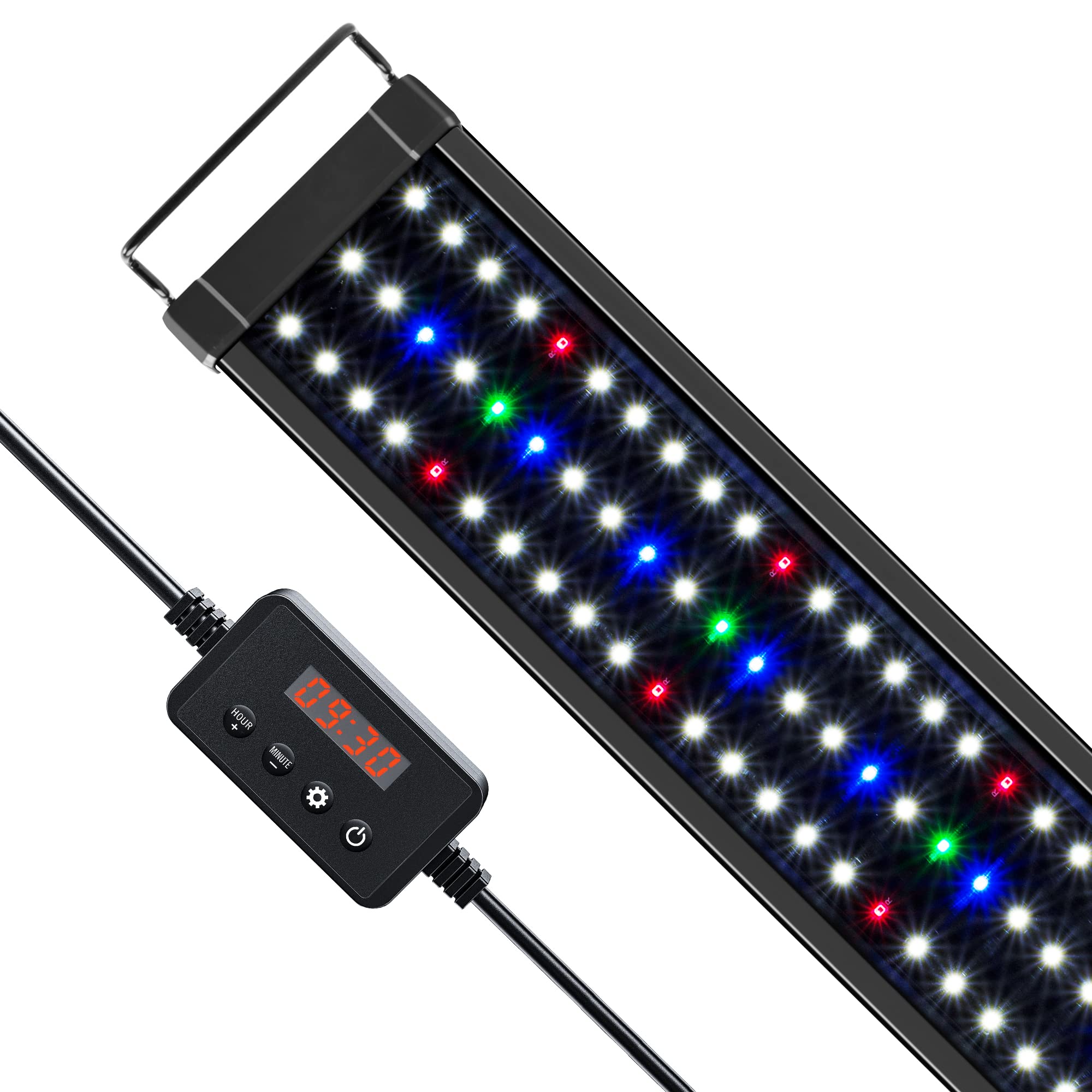
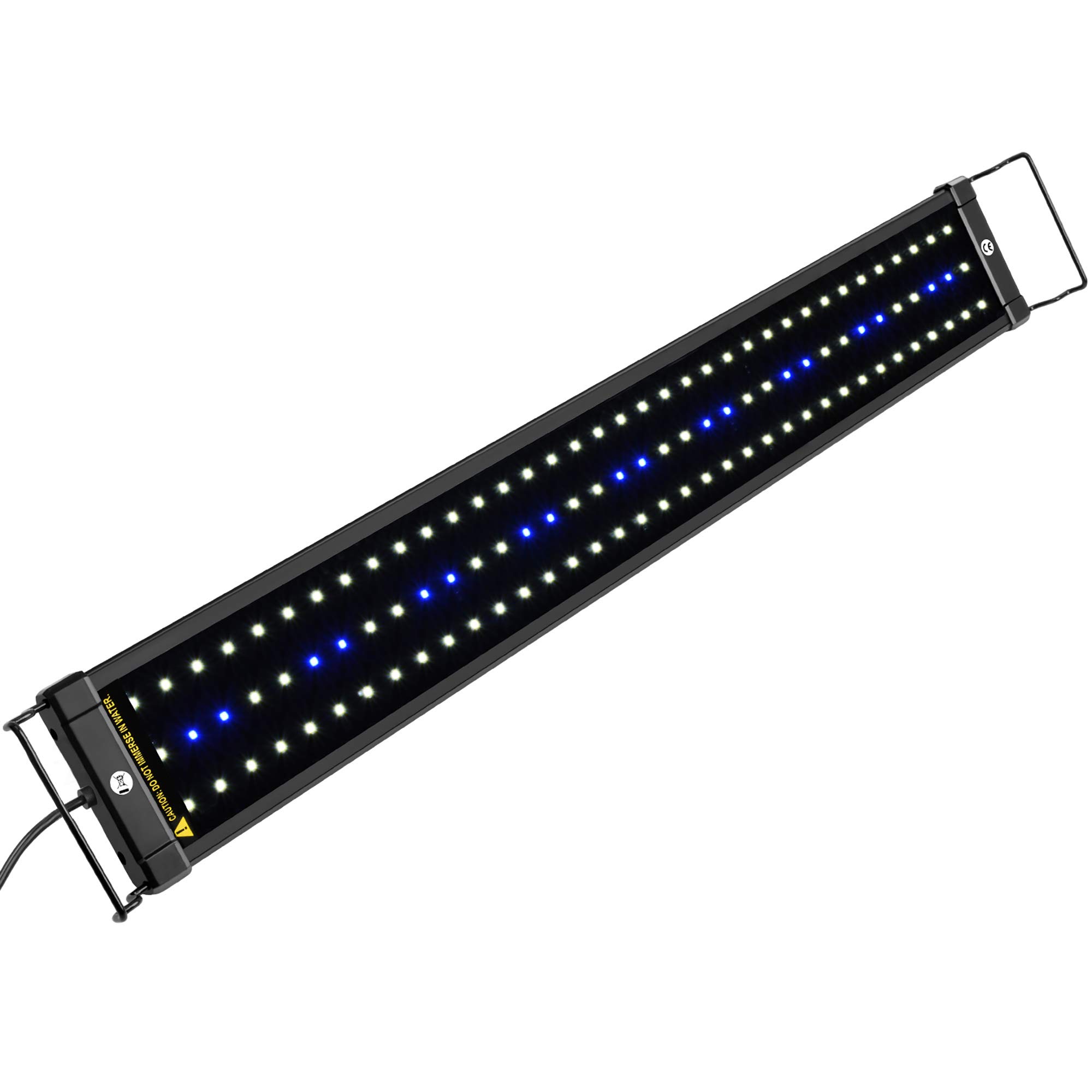
- The full-spectrum light combines 6500K white, 450nm blue, TRUE 660nm deep red and green LEDs, producing a fine-tuned color spectrum. Adjustable spectrum on 2 lighting modes
- Provides more options to adjust the auto On/Off time and brightness. Featured 15 or 30-minute ramp-up and dim-down to simulate natural sunrise and sunset, waking the fish up in

- [Premium 5050 & RGB LED Bulbs] hygger 978 Aquarium led Light features a super-bright 6500K white LEDs paired with the full-spectrum RGB LEDs to emit bright light to bring out the
- [24/7 Mode] This 24/7 fish tank light replicates the natural living conditions, starting with warm orange light at sunrise to 0bright full spectrum light at noon and starry blue
Diagnose the noise before you fix it
Pull the pump off the glass and run it submerged in a bucket of tank water for two minutes. If the buzz disappears entirely, the noise is glass-coupled and the fix is mechanical decoupling. If the pump still hums or rattles in the bucket, the problem is internal: a worn shaft, a cracked impeller vane, or debris in the rotor cavity. A small percentage of units also ship with a slightly out-of-round ceramic shaft, which is a warranty issue rather than a setup issue.
Next, with the pump back on the glass, press a finger firmly on the outer magnet while the pump runs. If the noise drops noticeably, the magnet-to-glass interface is the culprit. If pressing the pump body changes the tone, the inner shell is vibrating against the wet-side housing and needs a gasket refresh. Keep these two tests in mind as you work through the fixes below.
Fix 1: Clean and inspect the impeller
Unplug the controller and lift the wet side off the magnet mount. The needle-wheel-style propeller pulls straight off the ceramic shaft. Look for three things: a hairline crack at the hub, a chipped vane tip, and calcium or biofilm buildup on the shaft. Even a 0.5mm chip throws the rotor out of balance and produces a tonal whine that telegraphs straight through thin glass.
Soak the propeller and shaft in a 1:4 white vinegar solution for fifteen minutes, then rinse in dechlorinated water and reassemble. Spin the rotor by hand: it should feel silky with no grit. If you can feel any catch or wobble, replace the impeller before you spend money on dampening accessories. Replacement impellers are cheap and Jebao sells them as service parts.
Fix 2: Shim the outer magnet correctly
The single most common cause of Jebao SLW-30 rattle rimless glass complaints is an undersized or worn rubber pad on the outer magnet. Jebao ships a thin EVA shim glued to the outer magnet face. After a few months in water it compresses, peels at the edges, or traps a sand grain that holds the magnet a fraction of a millimeter off the glass. That tiny gap is exactly what produces the high-pitched buzz.
Peel the old pad off cleanly with a plastic scraper, remove any adhesive residue with isopropyl alcohol, and replace it with a 2mm closed-cell silicone or EPDM gasket sheet cut to the exact magnet outline. Closed-cell silicone is preferred because it does not absorb water, does not host bacteria, and resists compression set. Avoid open-cell foam, neoprene wetsuit scrap, or craft foam; all three will fail within months and several will leach plasticizers.
Fix 3: Decouple the inner pump body
The inner magnet assembly has its own rubber feet that sit against the back of the wet-side housing. These are even more prone to compression failure than the outer pad because they live in moving water. If pressing on the pump body in your diagnostic step changed the tone, replace these feet with cut sections of 3mm aquarium-safe silicone tubing or food-grade silicone gasket material.
Be careful not to add so much shim that the magnet loses grip on the glass. The SLW-30 is rated for up to 15mm of total glass-plus-shim thickness on each magnet. On 6mm rimless glass you have roughly 9mm of headroom split between the two magnets, which is plenty for a 2mm outer and 1mm inner upgrade.
Fix 4: Reposition to avoid resonant nodes
Every flat panel has nodes where vibration concentrates and antinodes where it cancels. On a typical 60-90cm rimless tank, the geometric center of the back or side panel is the worst possible mounting location: it is the lowest-frequency resonant node. Move the SLW-30 up to within 5-7cm of the top rim, or down within 5-7cm of the bottom seam, and the rattle often drops by ten or fifteen decibels with no other changes.
Corners are even better acoustically because the glass is constrained on two edges. The tradeoff is flow pattern; a gyre pump in a corner sweeps the tank length rather than crossing it. For most reef and planted aquascapes, the corner mount is acoustically and hydrodynamically superior, so try it first before assuming you need parts.
Fix 5: Tune the controller out of the rattle band
The SLW-30 controller offers six modes including constant, pulse, and wave with adjustable intensity. Resonance is frequency-specific: at one pulse setting the glass rings, and one click up or down it does not. Spend ten minutes cycling through pulse intervals at your target intensity and you will usually find a setting that is acoustically transparent.
If you live with the pump in a bedroom or living area, the constant-flow mode at 60-70% is by far the quietest option. You give up the biological benefits of varied flow, but you gain a near-silent pump on thin glass. A reasonable compromise is constant mode at night and pulse mode during the day when ambient noise masks the buzz.
Fix 6: Check the cable strain at the bulkhead
One under-discussed source of buzz is the power cable transmitting motor vibration up to the rimless edge clip. If the cable is pinched against the back of the tank or zip-tied to a metal stand brace, the metal acts as a soundboard. Add a small loop of slack between the pump and the tank rim, route the cable through a piece of aquarium-safe silicone tubing where it crosses any hard surface, and secure it with a soft Velcro tie rather than a hard zip tie.
When to stop fixing and start replacing
If you have cleaned the impeller, replaced both magnet pads, repositioned the pump, and tuned the controller and the rattle persists, the motor bearing or magnet alignment is likely out of spec. Jebao support will typically warranty a unit that buzzes loudly in a bucket of water within the first twelve months. After that, replacement service parts are inexpensive enough that a full rebuild kit costs less than a new pump.
Owners running very thin 5mm display tanks should also consider whether the SLW-30 is simply too much pump for the panel. The smaller SLW-20 produces less peak torque and excites resonance less aggressively on truly thin glass. If you are at the edge of the SLW-30's flow envelope anyway, downsizing one model and adding a second small pump on the opposite end of the tank is often quieter and gives better flow distribution.
Maintenance schedule to keep it quiet
Quiet is not a one-time fix. Pull the impeller every eight to twelve weeks for a vinegar soak, inspect the magnet pads every six months and replace at the first sign of edge lift, and rinse the controller's DC plug annually to prevent corrosion-induced micro-arcing that can manifest as an intermittent buzz. Owners who follow this cadence report years of near-silent operation on rimless builds.
For broader tank-quieting strategy, the same decoupling principles apply to air pumps and return pumps. Our guide to the quietest aquarium air pump for a bedroom betta tank walks through similar dampening tricks for diaphragm pumps, and the best aquarium air pumps roundup for 2026 highlights models that ship with vibration-isolation feet from the factory.
Picking the right shim material
Not every gasket sheet works underwater long term. Closed-cell silicone foam (60-80 Shore A density) is the gold standard: inert, dimensionally stable, and easy to cut with a sharp craft knife. Food-grade EPDM is a close second and slightly cheaper. Avoid PVC, polyurethane, and any "craft foam" of unknown composition because they can leach phthalates or plasticizers harmful to inverts.
If you keep a reef tank with sensitive SPS or shrimp, double check the spec sheet for the gasket material and confirm it is rated food-safe or medical-grade. The extra dollar per sheet is cheap insurance. The same caution applies to any adhesive you use to bond a new pad to the magnet; cyanoacrylate (super glue) is generally considered reef-safe once cured, but silicone-based aquarium sealant is the most conservative choice.
Frequently Asked Questions
Why does my Jebao SLW-30 vibrate more on a rimless tank than my old rimmed one?
The plastic frame on a rimmed tank both stiffens the glass and absorbs vibration. Rimless tanks are bonded only at the silicone seams, so each panel can flex and resonate freely. The same pump that was inaudible on a rimmed 75-gallon can buzz noticeably on a rimless 60-gallon with thinner glass.
Can I put a piece of foam between the magnet and the glass?
Yes, as long as it is closed-cell aquarium-safe silicone or EPDM no thicker than about 2mm on the outer magnet. Open-cell craft foam, weatherstripping, and neoprene scrap should not be used: they compress, harbor bacteria, and reduce magnet grip below the safe holding force.
How tight should the magnet feel on 6mm rimless glass?
You should be able to slide the magnet across the glass with firm two-finger pressure but it should not move from water flow or accidental bumps. If you can shift it with a light single-finger touch, the shim is too thick or the magnets are weakening. If you cannot slide it at all without lifting it off, the shim is too thin and is exactly what causes the rattle.
Does the SLW-30 rattle get worse over time?
Almost always, yes. The factory EVA pad compresses, the impeller accumulates biofilm and minor erosion, and the controller's wave program slowly drifts as components age. A pump that was silent at install can become annoyingly buzzy six months in. A twice-yearly service routine prevents this drift.
Will running the SLW-30 at a lower speed stop the rattle?
Sometimes. Resonance is frequency-specific, so dropping intensity by 10-20% often shifts the motor out of the panel's resonant band. The catch is that wave mode pulse intervals also matter: a slower pulse at the same intensity may rattle while a faster pulse is silent. Spend time exploring the controller before assuming the pump is defective.
Is the SLW-30 safe to use on 5mm rimless glass?
It is within the magnet's holding spec, but 5mm panels resonate aggressively and the SLW-30 is on the upper edge of what most hobbyists consider comfortable. If you are building a new 5mm tank, the SLW-20 is acoustically a better match. If you already own the SLW-30, expect to spend more time on shimming and positioning to keep it quiet.
How do I tell if my impeller is cracked versus just dirty?
After a vinegar soak and rinse, hold the propeller up to a bright light and look at each vane edge. Cracks show as fine dark lines radiating from the hub. Run a fingernail along the trailing edge of each vane: chips will catch the nail. A dirty but intact impeller spins silently between fingers; a cracked one produces a faint clicking as the broken section flexes under load.
Are there quieter wavemakers that fit the SLW-30 footprint?
Several DC gyre pumps in the same flow class are marketed as quieter, but most use the same flat-magnet mounting and will face identical resonance issues on thin rimless glass. Magnet design and outer pad quality matter more than brand. Before swapping pumps, exhaust the decoupling fixes above and review the general aquarium filtration tips guide to make sure your flow strategy actually requires a gyre pump at all.