As an Amazon Associate this site earns from qualifying purchases.
For a bedroom betta tank, the quietest aquarium air pump for bedroom betta tank use is one that runs under 30 decibels, uses a magnetic or piezoelectric diaphragm rather than a loud reciprocating motor, and is decoupled from the tank stand with soft rubber feet or a thick foam pad. Most bettas do not strictly need an air pump because they breathe atmospheric oxygen at the surface using their labyrinth organ, but a whisper-quiet pump powering a sponge filter, gentle bubbler, or air stone can improve water turnover and oxygenation without disrupting your sleep. This guide walks through the specs, layouts, and dampening tricks that actually move a pump from "audible across the room" to "forgettable on the nightstand."
Does a betta in a bedroom even need an air pump?
Bettas are anabantoids, which means they gulp air from the water surface and can survive in low-oxygen environments where most tropical fish would suffocate. So technically, no, a five- or ten-gallon betta tank does not require a dedicated air pump in the way a goldfish tank or a heavily-stocked community tank does. But there are three reasons a quiet pump is still worth running in the bedroom.
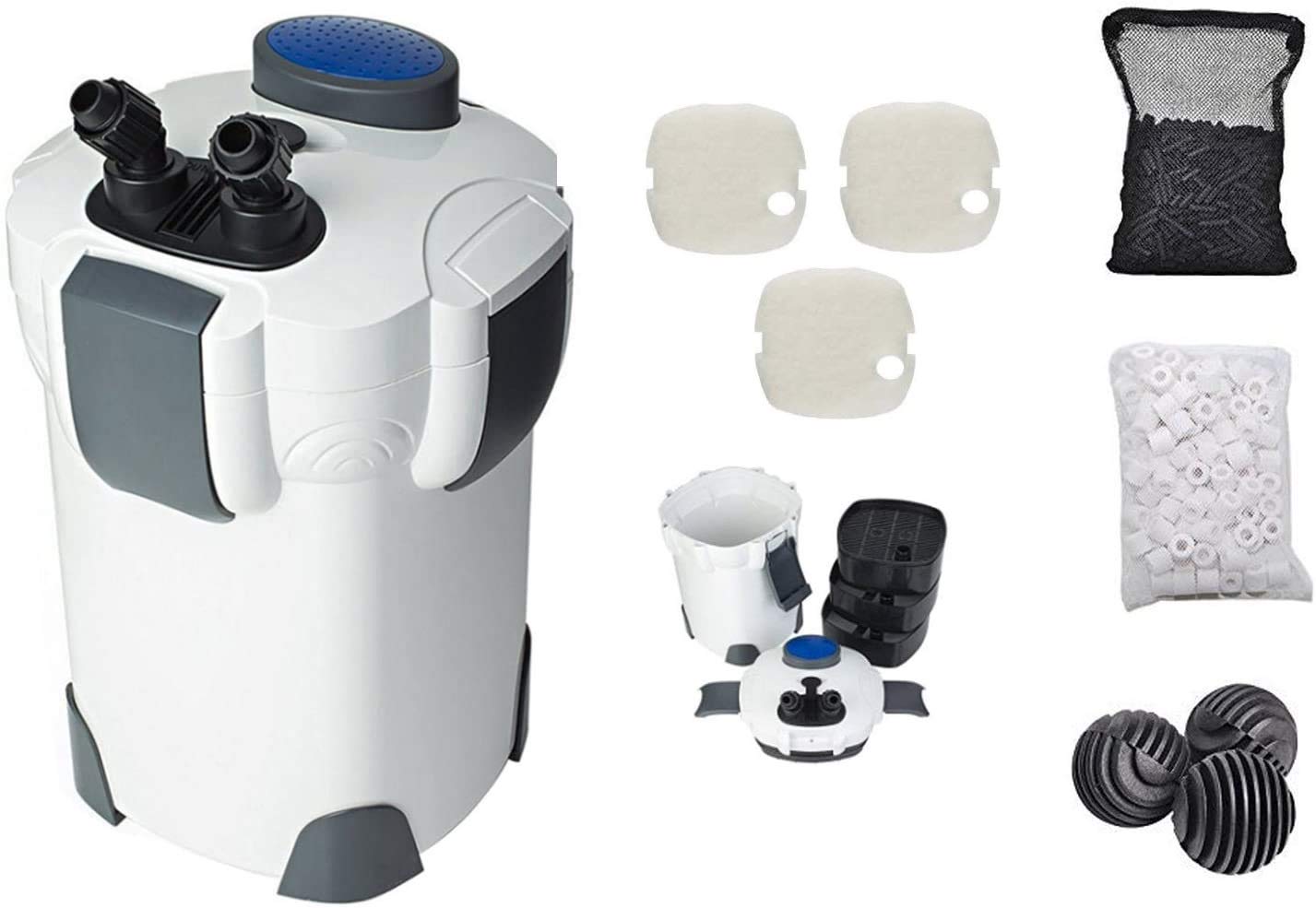
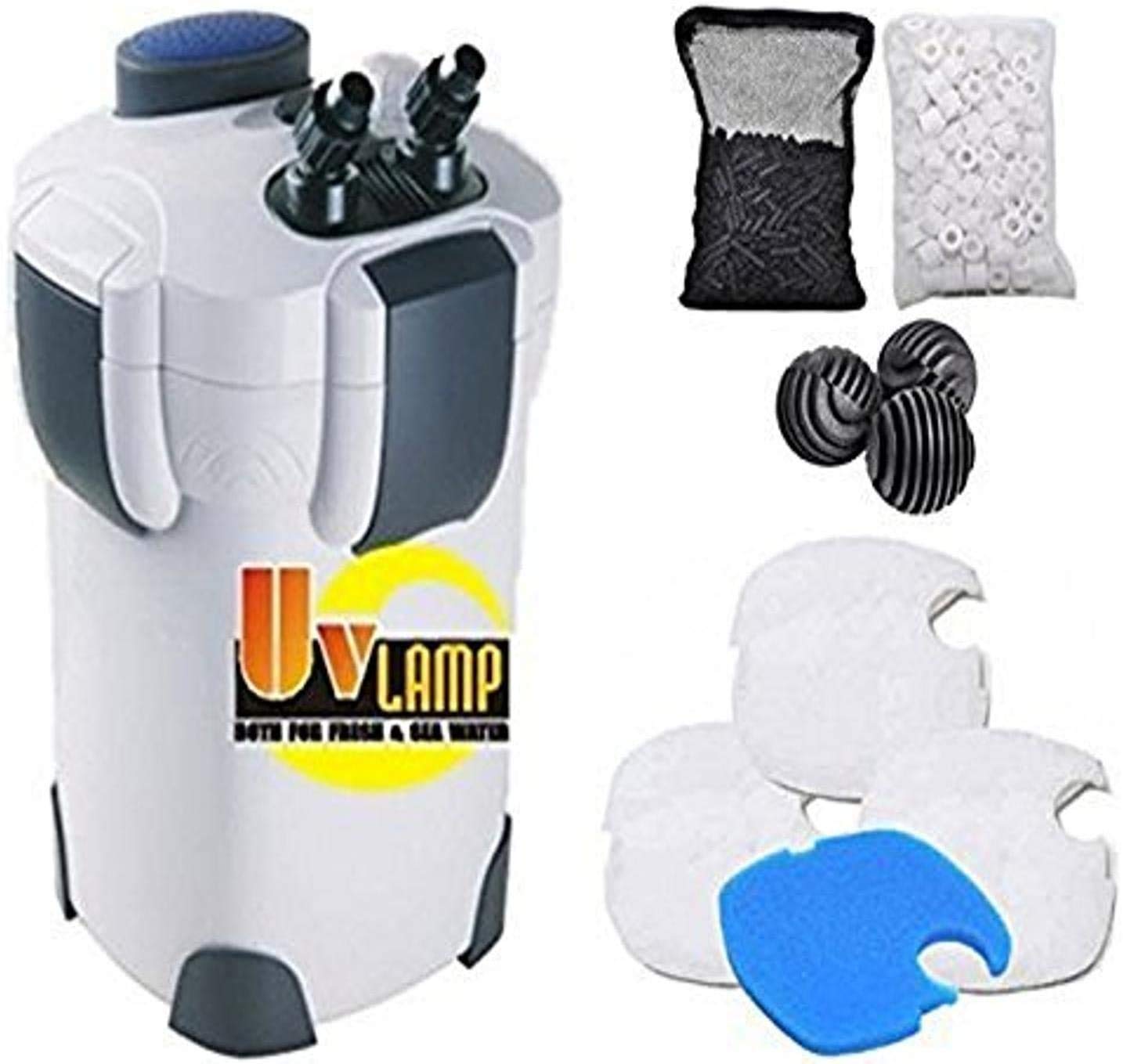
First, a small sponge filter driven by an air pump is one of the gentlest, most betta-safe forms of biological filtration available; the slow current will not shred long finnage the way a hang-on-back filter outflow can. Second, surface agitation from an air stone increases gas exchange, which keeps dissolved oxygen high and helps drive off carbon dioxide, both of which matter in a small, warm tank. Third, a slow stream of bubbles helps prevent the surface film of protein and bacteria that often forms on still betta tanks and can interfere with the betta's breathing.

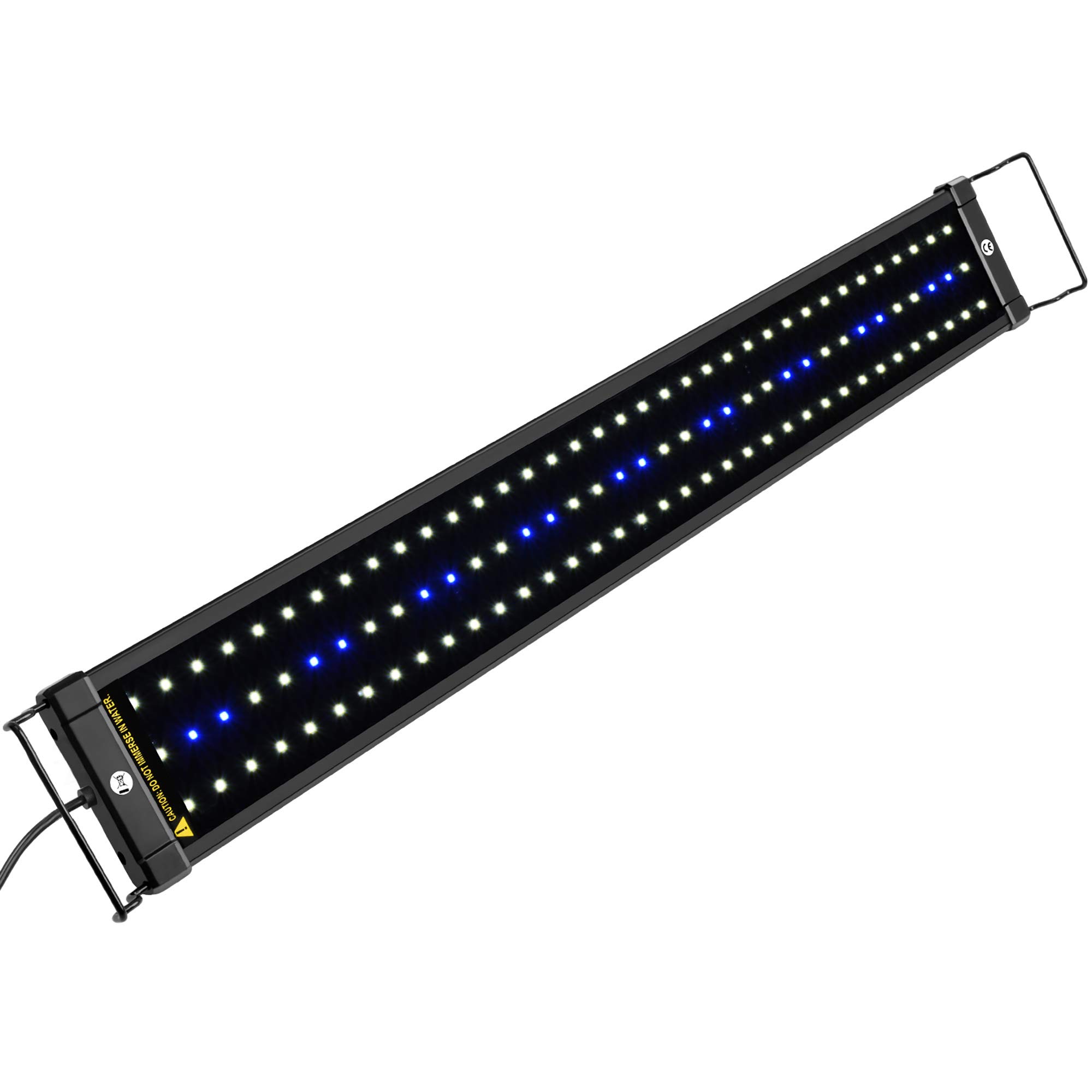
- [Premium 5050 & RGB LED Bulbs] hygger 978 Aquarium led Light features a super-bright 6500K white LEDs paired with the full-spectrum RGB LEDs to emit bright light to bring out the
- [24/7 Mode] This 24/7 fish tank light replicates the natural living conditions, starting with warm orange light at sunrise to 0bright full spectrum light at noon and starry blue
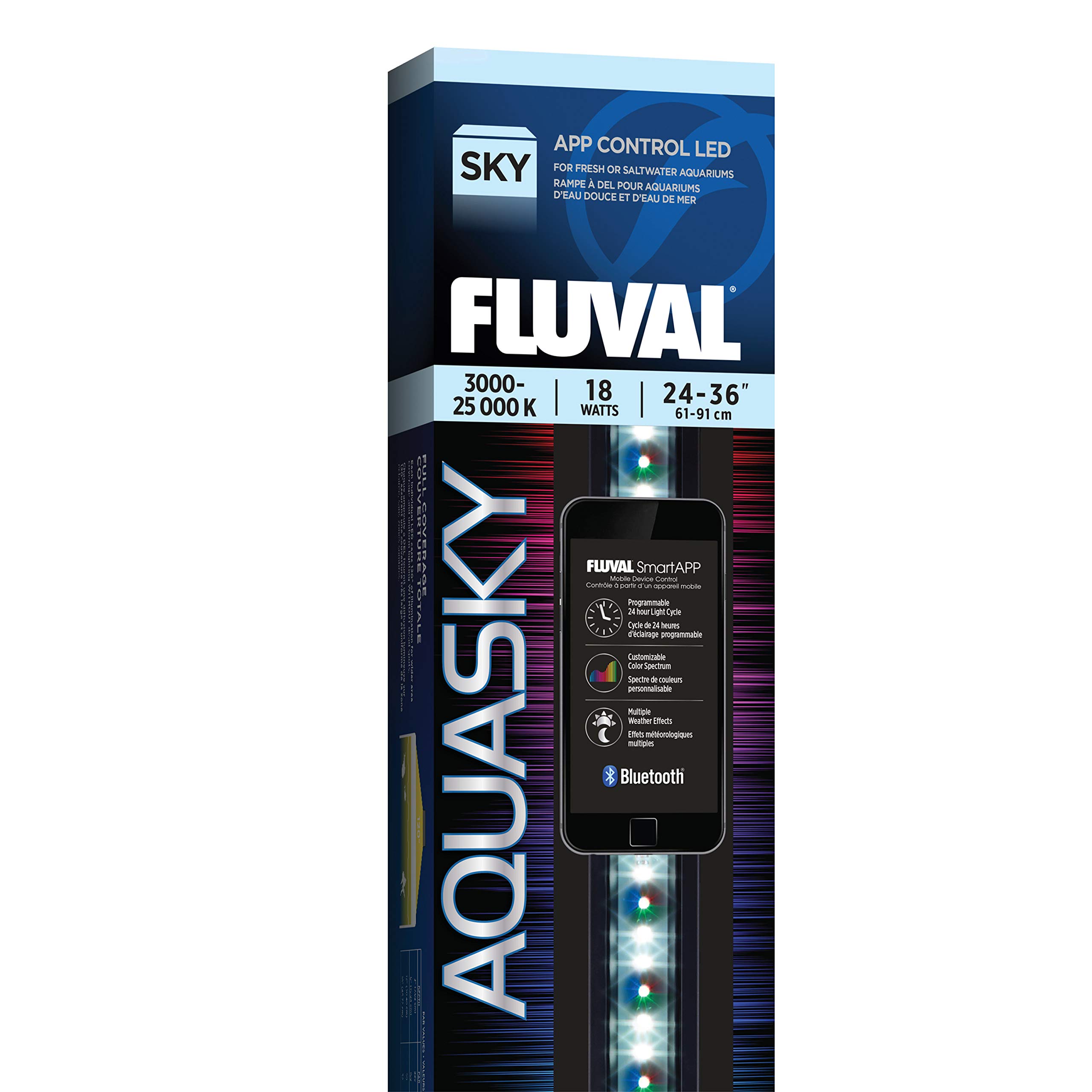
- Fully Customizable RGB + White Spectrum: The Fluval Aquasky 2.0 (18W) delivers vibrant, customizable lighting through RGB LEDs plus 6500K white LEDs. Create infinite color
- Bluetooth Control with FluvalSmart App: Easily program your light via the FluvalSmart App, which gives you total control over brightness, color, and timing. Adjust your 24-hour
Comparison: pump tier vs. bedroom suitability
| Tier | Typical dB | Best for | Bedroom verdict |
|---|---|---|---|
| Premium magnetic diaphragm | 25-30 dB | Sponge filter on a single betta tank | Excellent; effectively inaudible with a foam pad |
| Mid-range adjustable | 30-35 dB | One or two small tanks | Good; may need dampening for light sleepers |
| Piezoelectric / nano | 20-28 dB | Single air stone in a shallow tank | Excellent; lowest absolute noise floor |
| Battery-backup | 40+ dB in backup mode | Emergency only | Avoid as primary; clicking relay is disruptive |
The catch is that a noisy pump on a nightstand will quickly become the loudest thing in the room at 2 a.m. That is why pump selection, not just whether to use one, is the whole game.
What actually makes an air pump quiet?
Air pump noise comes from four overlapping sources, and a truly silent setup addresses all four. Understanding them is the difference between buying a "silent" pump that still buzzes and assembling a setup that genuinely disappears into the background.
Motor design. Cheap pumps use a vibrating electromagnet to flex a rubber diaphragm. That works, but the magnet itself produces a 60 Hz hum and the diaphragm slaps audibly at each cycle. Better designs use precision-balanced magnets, dual diaphragms that cancel each other's vibration, or in the highest tier, piezoelectric ceramic elements that flex without any reciprocating mass.
Housing material. A thin plastic shell amplifies internal vibration like a speaker cone. Heavier, denser housings, especially those with internal sound-absorbing foam or rubber suspension of the motor, knock several decibels off the perceived output.
Mounting and surface contact. This is the single biggest factor most beginners miss. A quiet pump placed directly on a wooden dresser will transmit its remaining vibration into the wood, which then radiates sound across the whole surface. The same pump on a folded towel, mouse pad, or piece of acoustic foam can drop another five to ten decibels of audible buzz.
Airline tubing and check valve. A kinked airline can cause back-pressure that increases pump strain. An undersized air stone produces a higher-pitched hiss. Check valves with cheap internal flappers click. All of these contribute to the noise floor.
Specs to compare when shopping for the quietest aquarium air pump for bedroom betta tank use
When you read product listings, focus on these numbers rather than marketing language like "ultra silent" or "whisper quiet," which are unregulated terms.
- Decibel rating: Look for 30 dB or lower at one meter. Anything labeled 35-40 dB will be noticeable in a quiet bedroom.
- Output in liters per minute (L/min) or gallons per hour: For a single 5-10 gallon betta tank, you only need 1.5-2.5 L/min. Oversized pumps are louder and waste energy.
- Adjustable flow: A dial lets you throttle output to the minimum needed, which usually reduces noise.
- Number of outlets: A single-outlet pump is fine for one tank. Multi-outlet pumps are convenient but tend to run louder because they push more air.
- Power source: AC pumps are quieter and more powerful than battery backups. Battery-backup models often have audible relays that click when switching modes.
The categories of bedroom-friendly air pumps
Rather than name specific models that may change SKUs or pricing by the time you read this, here is how the market breaks down into tiers. A current shortlist of top-rated 2026 picks is maintained in our best air pumps for aquariums 2026 roundup, and a deeper look at one classic option is in our Tetra Whisper air pump review.
Tier 1: Premium magnetic diaphragm pumps
These are the gold standard for bedroom use. Brands in this tier use dual counterbalanced diaphragms, dense aluminum or rubberized housings, and ship with internal noise insulation. They typically rate 25-30 dB, weigh noticeably more than the budget options because of the extra dampening mass, and cost two to three times as much as basic pumps. For a single betta tank you do not need the largest model in the lineup; the smallest is usually plenty and is also the quietest.
Tier 2: Mid-range adjustable pumps
This category includes the well-known "Whisper" style pumps and similar models from major aquarium brands. They are rated around 30-35 dB, single-outlet or dual-outlet, and almost always have an adjustable air flow dial. In a living room or office they are essentially inaudible. In a quiet bedroom they may produce a low hum that you can hear from the bed. Pair them with a foam isolation pad and the noise effectively disappears.
Tier 3: Piezoelectric and nano pumps
Piezo pumps use a vibrating ceramic disc instead of a magnet-and-diaphragm assembly. They are genuinely whisper-quiet, often rated below 25 dB, but produce relatively low air pressure, which makes them best suited to a single fine-bubble air stone or a small sponge filter rather than to driving long airline runs or deep-tank diffusers. For a shallow ten-gallon betta tank, they can be the quietest realistic option on the market.
Tier 4: Battery-backup pumps
These exist mainly as emergency power-outage insurance and are not appropriate as your primary pump in a bedroom. The relay that switches them on during a power loss is audible, and the motors prioritize portability over silence. If you want backup capability, run a quiet primary pump and keep an unplugged battery model in a drawer.
Setup tricks that quiet any air pump
Even an inexpensive pump can become bedroom-friendly with the right setup. These changes cost almost nothing and can drop perceived loudness dramatically.
Isolate the pump from hard surfaces. Place it on a folded microfiber towel, a piece of weatherstripping foam, or a thin yoga-mat offcut. Do not place the pump inside a sealed cabinet, because pumps need airflow around their housing to draw fresh air; instead, set the cabinet door slightly ajar or drill a small ventilation hole behind it.
Hang the pump, do not stand it. Some hobbyists tie a loop of string to the pump's cable and hang it from a small hook so it floats in midair. With nothing solid touching it, vibration has nowhere to transmit. This trick alone can turn a 35 dB pump into something you cannot hear at three feet.
Use a larger, finer air stone. A cheap blue air stone produces large, popping bubbles that contribute significantly to surface noise. A wood or ceramic micro-bubble stone produces a fine, hissing mist that is far quieter at the tank surface and also more efficient at gas exchange.
Install a check valve close to the pump. A check valve prevents water from siphoning back into the pump during a power loss, which both protects the pump and stops the gurgling sound that occurs when water enters the airline.
Keep the pump above the water line. If you must place it below the water line, double up the check valves. A flooded pump becomes both louder and a safety hazard.
Tank-side considerations for a bedroom betta setup
The pump is only one piece of a quiet betta tank. The rest of the setup matters too. A correctly sized tank, around five to ten gallons, is large enough that filtration and heating can run gently. Our guides on choosing the right aquarium size and setting up a tropical fish aquarium are worth a read before you commit to a footprint that has to live next to your bed.
The heater also contributes to ambient noise, both through the relay click of cheaper thermostats and through the slow ticking of glass as it expands and contracts. Solid-state heaters with electronic controllers are silent in operation. Finally, water level matters: a tank filled to within an inch of the rim will produce less waterfall splash from any return flow, which is the loudest mechanical noise most aquariums make. Topping off evaporation losses promptly keeps the rim flush and the room quiet. For more on the full water-care routine, see our aquarium water care guide.
Frequently Asked Questions
What is the quietest air pump decibel rating I should look for?
Aim for 30 dB or lower at one meter. For reference, a quiet bedroom at night sits around 30 dB, and a soft whisper is about 25 dB. Pumps rated 35-40 dB are fine for living rooms but tend to be noticeable when the rest of the room is silent. Remember that manufacturer ratings are measured on a flat, isolated surface; the real-world figure on a wooden dresser will be a few decibels higher unless you use a dampening pad.
Do betta fish actually need bubbles or an air stone in their tank?
No, bettas can breathe atmospheric air through their labyrinth organ and do not require dissolved oxygen the way most tropical fish do. However, an air stone driving a sponge filter is one of the gentlest filtration methods available and is genuinely good for water quality. If you are running a powered hang-on-back filter, the air pump is optional. If you want minimal flow and maximum filtration safety for a long-finned fish, an air-driven sponge filter is excellent.
Will an air pump stress out my betta or damage its fins?
Only if the flow is too strong. Bettas have long, heavy finnage and are not built for current. Use the smallest pump that produces visible bubble flow, and run the output through either a sponge filter or a flow-restricted air stone rather than a wide-open bubble wand. If your betta is hugging the glass or hiding behind decor at the lowest-flow corner, the current is too strong; throttle it down with the pump's adjustment dial or add a gang valve to bleed off excess air.
How can I make a noisy air pump quieter without buying a new one?
Three steps make a measurable difference. First, lift the pump off any hard surface using a folded towel, foam pad, or by hanging it from string. Second, swap a coarse blue air stone for a fine wood or ceramic diffuser, which produces softer bubbles. Third, throttle the air output to the minimum useful flow using either the pump's built-in dial or an inline plastic gang valve. Together these three changes often turn an audibly buzzing pump into a quiet background presence.
Is a sponge filter quieter than a hang-on-back filter for a betta tank?
Generally yes, and especially in a bedroom. Hang-on-back filters produce a constant waterfall sound from their return that can be soothing during the day but disruptive at night. Sponge filters produce only the soft surface burble of escaping bubbles, which most people find inaudible from a few feet away. The trade-off is that sponge filters offer less mechanical polishing of fine particles, so you may see slightly hazier water than a HOB would deliver.
Should I unplug the air pump at night to sleep better?
It is better to fix the noise than to cycle the pump on and off. Unplugging interrupts biological filtration and oxygen exchange, and rapid restarts can stress the diaphragm and shorten pump life. If your pump is too loud to leave running, the right answer is either a quieter pump or better dampening, not an on-off schedule.
Can I run an air pump inside a sealed cabinet to muffle it?
Not safely. Air pumps draw their air supply from the room around them, so a fully sealed enclosure starves the pump and causes it to overheat and fail. If you want to hide the pump in a stand or cabinet, leave the door slightly ajar, drill a few small ventilation holes, or use a vented mesh panel. You can line the inside of the cabinet with acoustic foam, which absorbs sound without restricting airflow.