As an Amazon Associate this site earns from qualifying purchases.
For a betta fry grow out tank, a sponge filter is almost always the safer, smarter primary choice over a hang on back (HOB) unit. The choice between a sponge filter vs HOB filter for betta fry grow out tank comes down to three things: intake safety for fragile fry, gentle flow that does not exhaust developing swim bladders, and a massive surface area for the beneficial bacteria that handle the heavy bioload of 30 to 80 growing siblings being fed live foods five to eight times a day. A sponge filter delivers all three at a fraction of the cost. A HOB can be made fry safe, but only with modifications, and it is best reserved for the grow out phase after fry pass the 6 to 8 week mark and need stronger mechanical polishing.
This guide walks through exactly when each filter wins, how to rig either one correctly, and what to actually buy in 2026 for a 10 to 20 gallon betta fry grow out tank.
Why filtration matters so much in a betta fry grow out tank
Betta fry are tiny. At 3 days post hatch they are barely the length of a comma on this page, and even at four weeks many are still under a quarter inch. Two facts drive every filtration decision:
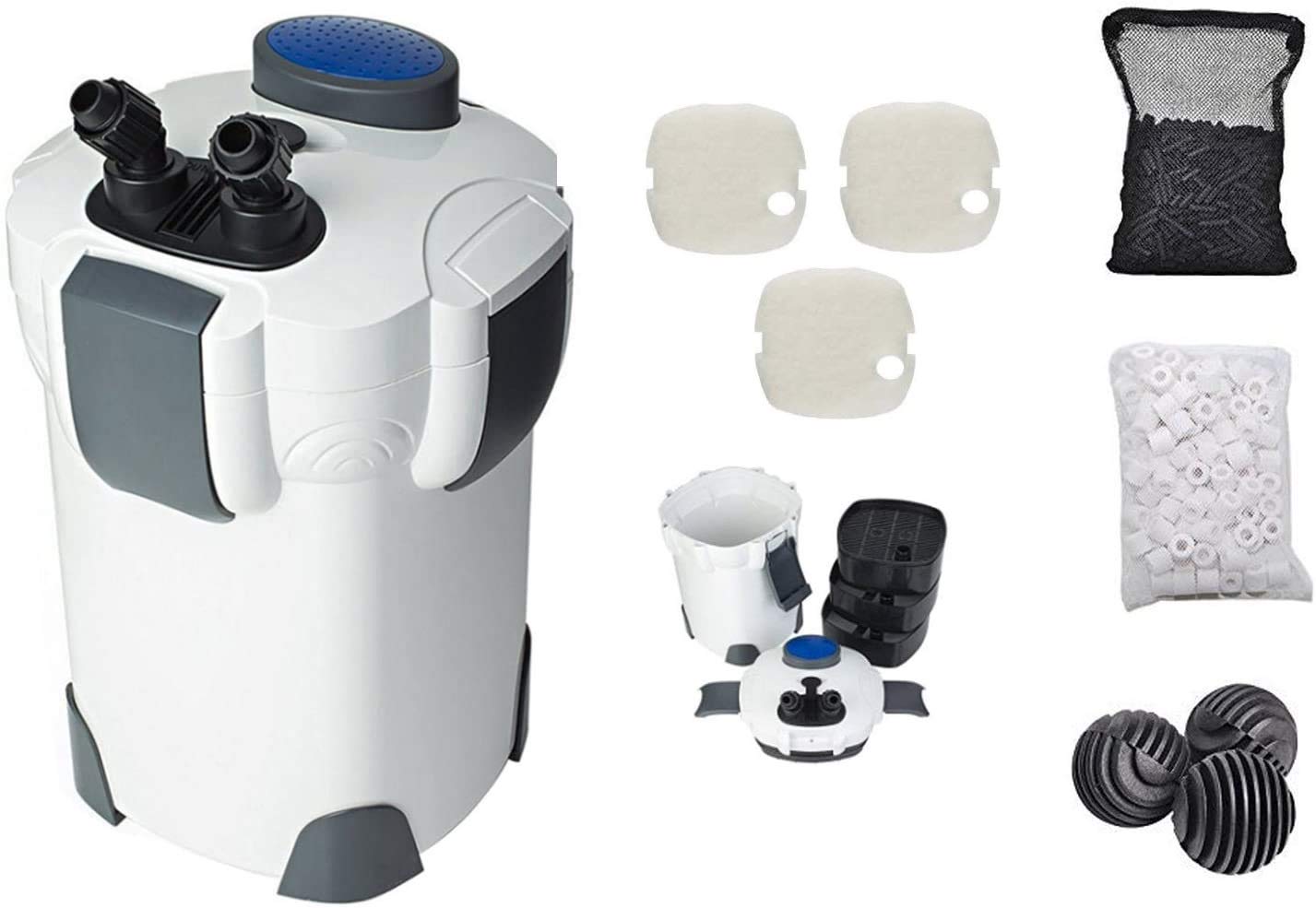
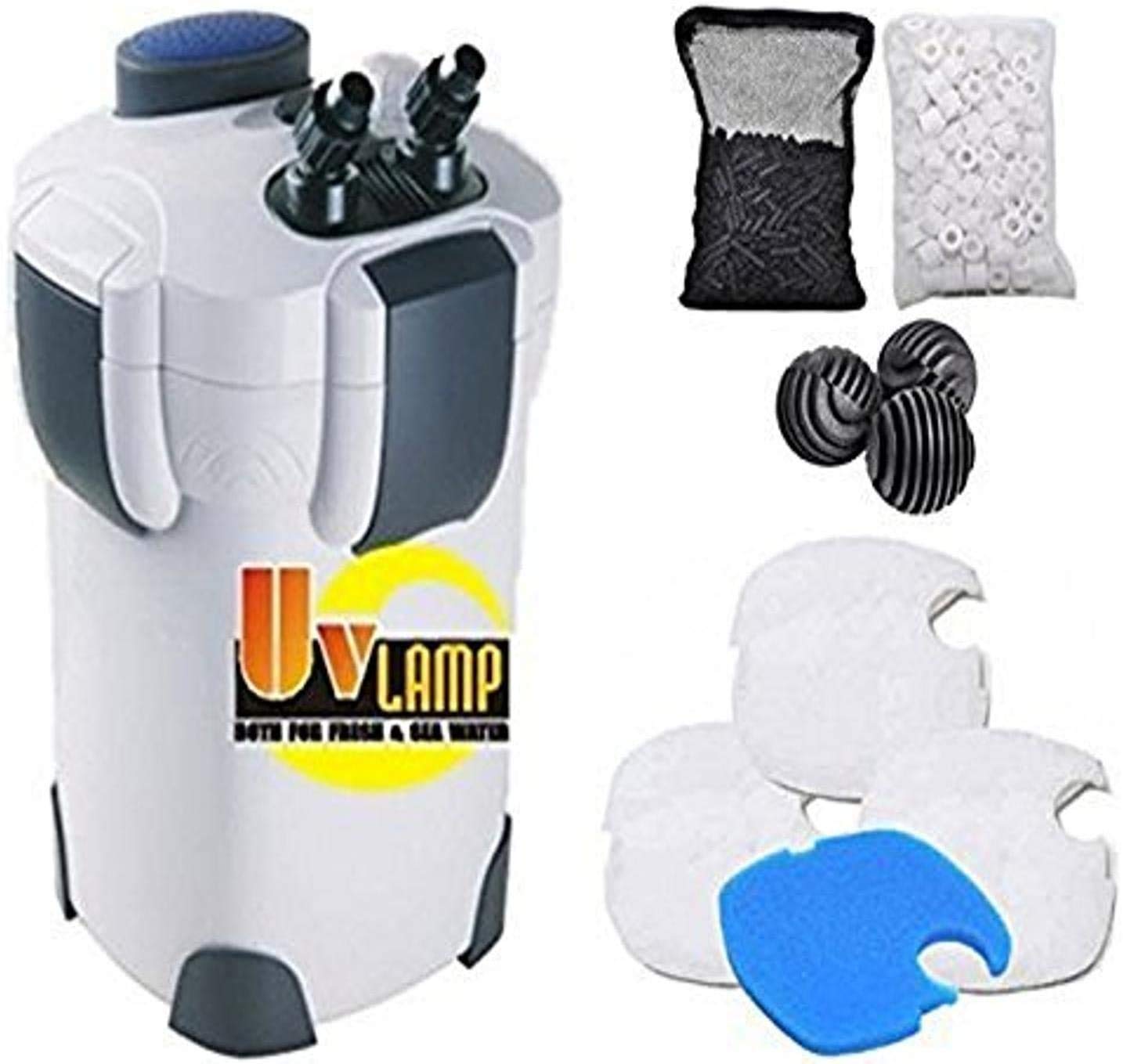
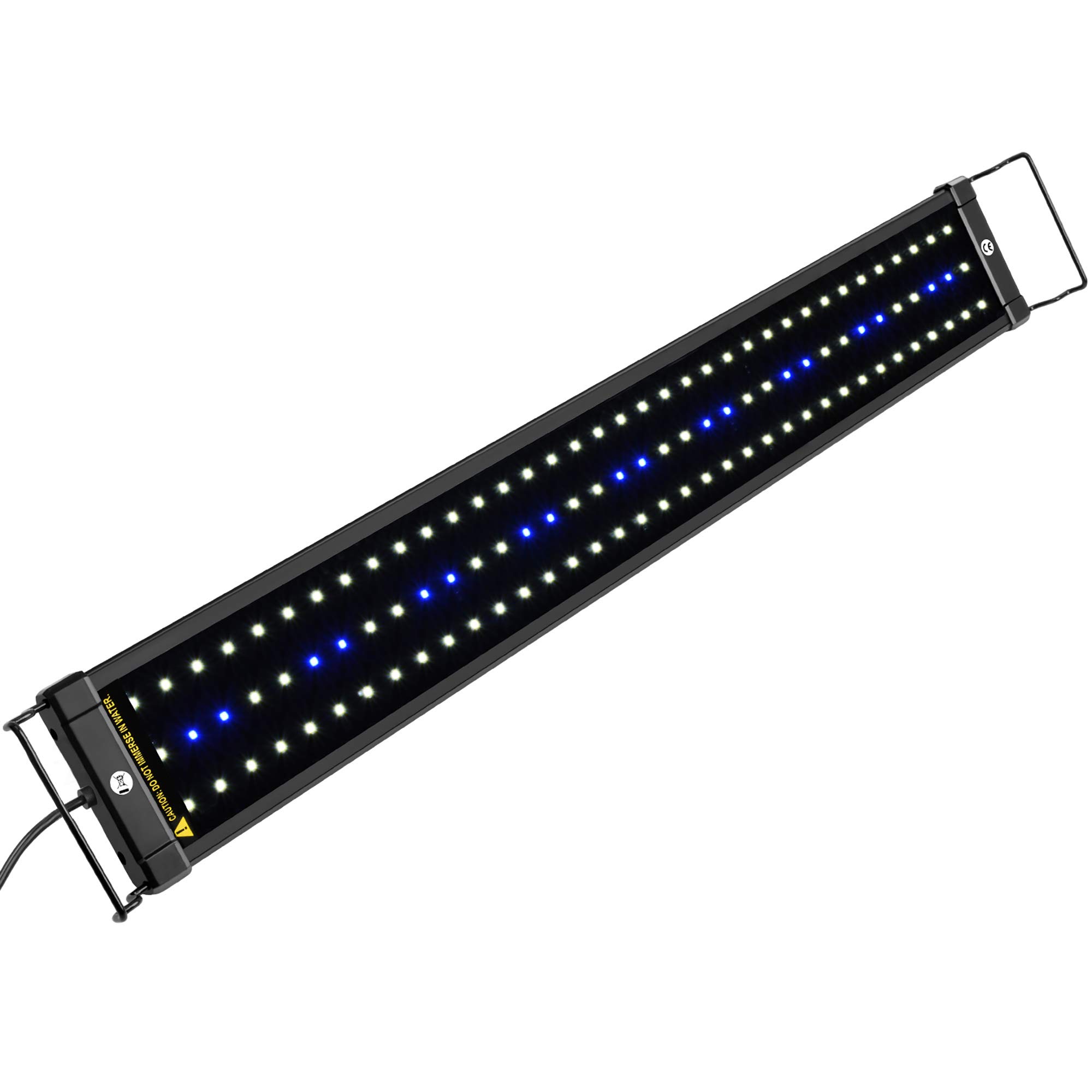
- They get sucked into intakes. A standard HOB intake slot will inhale day old fry like a vacuum and shred week old fry against the impeller. Sponge filter intakes are the foam itself, which fry cannot pass through.
- They produce enormous waste for their size. A spawn of 60 fry eating microworms, vinegar eels, and baby brine shrimp 5 plus times a day generates more ammonia per gallon than a fully stocked community tank. You need biological capacity, not just mechanical pickup.
That second point is what people miss. A bare HOB cartridge with a thin pad and some carbon has tiny bio surface area. A 4 inch cube of sponge has square feet of colonizable surface. For an ammonia heavy fry tank, more bio media beats prettier water polish every single time.
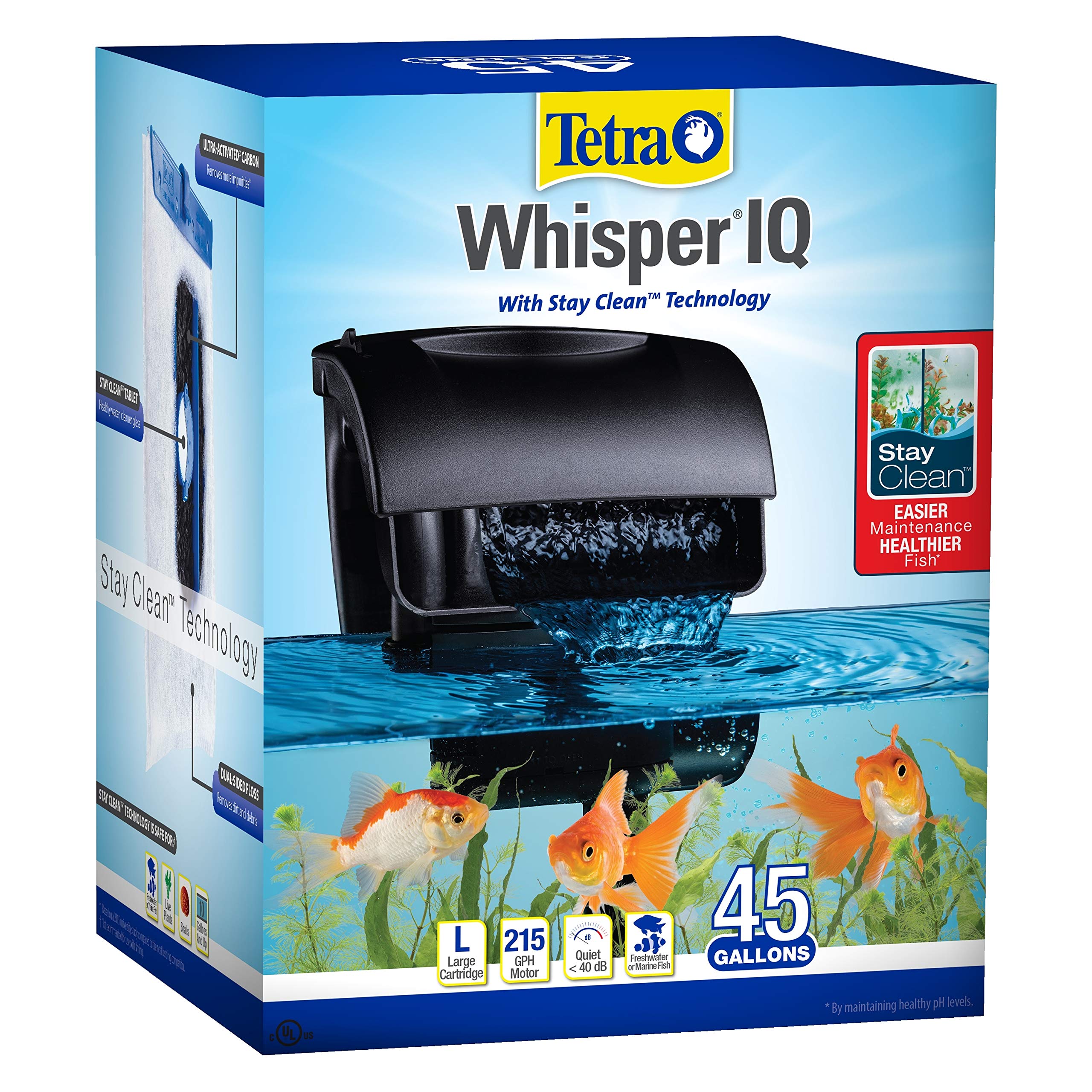
- QUIET AQUARIUM FILTER: The Tetra Whisper IQ Power Filter with Stay Clean technology contains a sound shield for quiet filtration less than 40 dB
- SELF PRIMING: Submerged motor starts up with no priming required
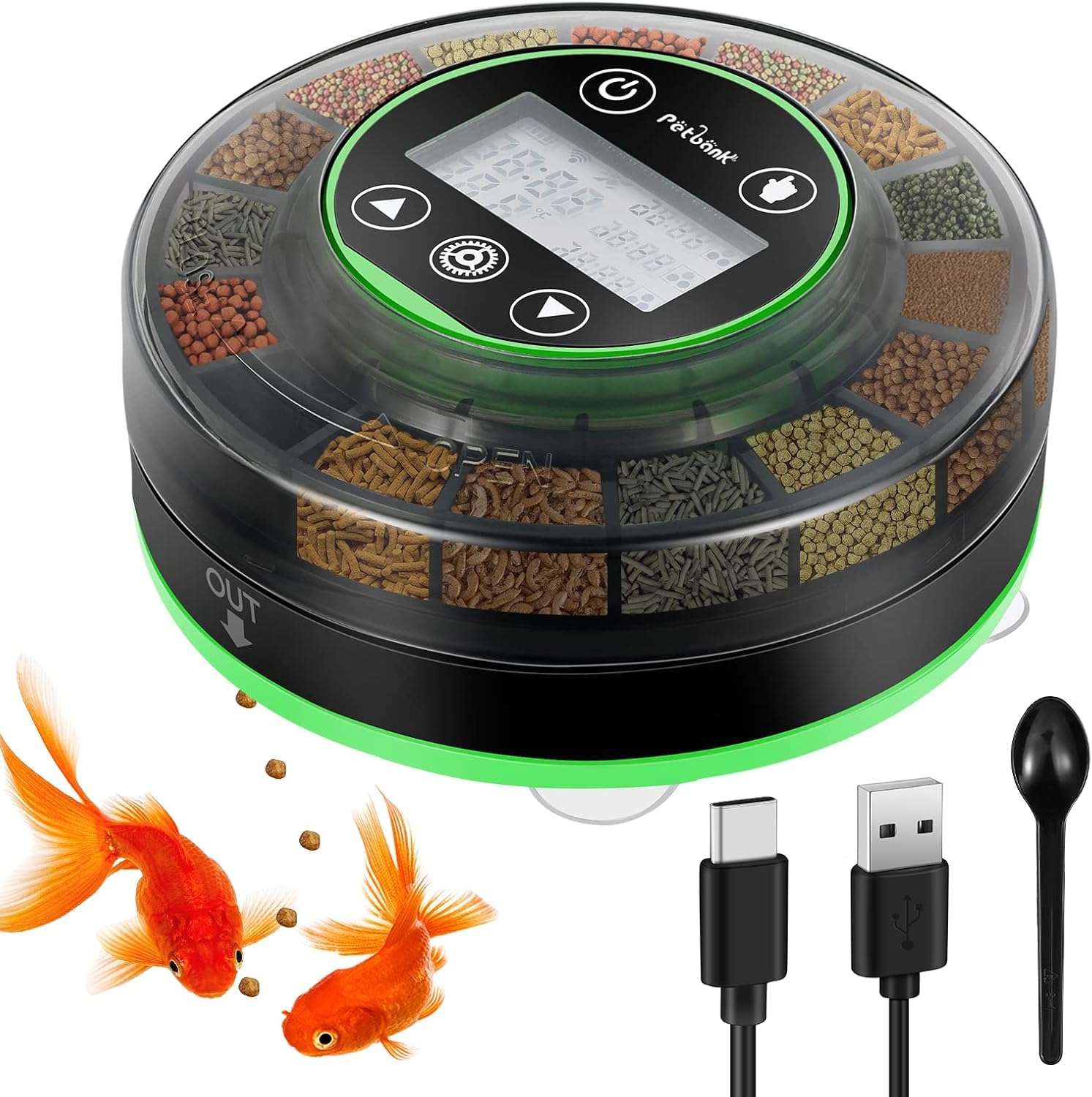
- Accurate Food Amount :Compared with ordinary fish feeders with only one compartment, Petbank updated automatic fish feeder contains 16 grids in total, which is able to provide 15
- 2 Setup Methods :Petbank aquarium feeder provides two different installation ways to fit different types of aquariums. You can either mount it to the tank by adjustable clamp
Sponge filter vs HOB filter for betta fry grow out tank: head to head
Here is how the two filter styles stack up on the criteria that actually matter for a fry grow out:
| Criterion | Sponge filter | HOB filter |
|---|---|---|
| Fry intake safety | Excellent out of the box | Poor without a sponge prefilter mod |
| Flow gentleness | Adjustable via air pump valve, very gentle | Often too strong even on lowest setting |
| Biological capacity | Very high for the footprint | Moderate, limited by cartridge volume |
| Mechanical polishing | Fair, removes large particles only | Excellent, polishes water clear |
| Surface agitation / O2 | Excellent from rising bubble column | Excellent from waterfall return |
| Cost to run | Under $15 plus an air pump | $25 to $60 plus replacement cartridges |
| Maintenance with fry present | Squeeze in old tank water, zero risk | Risk of vacuuming fry into filter body |
| Best phase | Week 0 through week 8+ | Week 8 onward, or as a polishing supplement |
The pattern is clear. Sponges dominate the early and middle grow out. HOBs become attractive once fry are large enough that intake suction is no longer a death sentence and you want to clear up the cloudiness that always comes with heavy feeding.
When a sponge filter is the right call
Pick a sponge filter as your primary if any of the following describe your setup:
- Fry are under 8 weeks old or under half an inch.
- Tank is 10 gallons or smaller.
- You are feeding live foods heavily and need maximum biological capacity.
- You already own a decent air pump or are willing to buy one.
- You want a setup you can leave running for weeks with only a weekly squeeze.
For a typical 10 gallon betta fry grow out, a single medium coarse sponge filter sized for a 20 to 40 gallon tank gives you a comfortable safety margin on bio capacity. Oversize, always. A sponge that is too big costs three dollars more and never becomes a bottleneck.
Recommended sponge filter setup
Look for a dual sponge design with a coarse outer pore structure. Coarse sponge clogs slower, holds onto fewer fry sized particles you do not want trapped, and exposes more interior surface for bacteria. Pair it with a quiet linear piston air pump rated for at least double the tank volume. Run the airline through a check valve and a gang valve so you can fine tune the bubble rate down to a lazy stream once fry have hatched.
For air pump options, our best air pumps for aquariums in 2026 roundup covers quiet models that will not vibrate a nursery tank apart at 2 a.m., and the Tetra Whisper air pump review for 2026 goes deep on the most common budget option.
When a HOB filter starts to make sense
HOBs are not villains. They earn their spot once fry hit the awkward jar up stage, usually 8 to 12 weeks in, when males start scrapping and you are moving them into larger grow out tubs. At that point you want:
- Clearer water for grading and culling decisions.
- Stronger mechanical filtration to keep up with juvenile sized waste.
- Easy media swaps as the tank transitions to a single fish display.
If you must use a HOB earlier than that, in the first weeks of grow out, modify it. Slide a coarse foam prefilter sponge over the intake tube. This single $4 part turns a fry killer into a fry safe polisher. Set the flow to its lowest setting and aim the return at the glass to break the current. Keep the sponge filter running alongside it, do not replace one with the other.
Recommended HOB setup for the late grow out
Choose a HOB rated one tank size up from your actual tank and run it on the lowest flow setting, with a prefilter sponge mandatory. Refillable media baskets beat sealed cartridges every time because you can load them with ceramic bio rings to compensate for the limited stock media volume. AquaClear style hang on backs with open media chambers are the gold standard here.
For a deeper comparison of HOB versus other filter styles at scale, the guide to the best aquarium filter and our best aquarium filters of 2026 roundup both cover the broader landscape.
How to run a sponge filter in a fry tank without killing fry
The single most common mistake new breeders make is cranking the air pump to full blast. A sponge filter does not need a rolling boil of bubbles to work. It needs a steady, slow stream that pulls water through the foam at a gentle pace. Aim for one bubble roughly every half second when fry are newly free swimming, then increase gradually as they grow.
Maintenance is simple. Once a week, fill a small container with water you just siphoned out of the tank, unplug the air pump, lift the sponge out, and squeeze it three or four times in that container. Never rinse a sponge filter in tap water, the chlorine will kill the bacterial colony you just spent weeks growing.
How to make a HOB safe enough for a fry grow out
If you already own a HOB and do not want to buy a sponge filter, here is the fry safe modification list:
- Slip a coarse foam prefilter sponge over the intake tube. Tetra, AquaClear, and generic Amazon prefilter sponges all work.
- Lower the water level inside the HOB chamber by adjusting the intake telescoping tube down, which reduces flow.
- Replace the stock thin pad with a thicker piece of poly filter floss to slow flow further and trap finer particles.
- Add a baffle to the return. A cut up water bottle zip tied over the spillway breaks the waterfall into a sheet that will not blast fry.
- Check the prefilter sponge every three days for clogging, because clogs send flow up and over the bypass which is unfiltered.
Even with all five mods, the HOB still loses on biological capacity. That is why most serious breeders run a sponge filter as the primary and use the modified HOB as a secondary polishing unit, not the other way around.
Cycling matters more than the filter style you pick
A perfectly chosen filter on an uncycled tank still kills fry. Before the fry ever go into the grow out tank, the filter media needs to be hosting an established colony of nitrifying bacteria. The easiest path is to seed the new sponge by running it in an established healthy tank for two to four weeks before you need it. If you do not have a donor tank, do a fishless cycle with pure ammonia and confirm zero ammonia and zero nitrite for a full week before fry arrive.
For the chemistry side of this, our aquarium water care guide walks through ammonia, nitrite, and nitrate testing, and the guide to maintaining optimal aquarium water quality covers the ongoing parameters that matter most for fry, particularly TDS and pH stability.
Tank size, heater, and supporting gear
Filtration is one leg of the stool. For a betta fry grow out you also need stable warmth, ideally 80 to 82 degrees Fahrenheit, which speeds growth and reduces stress driven losses. Use a fully submersible adjustable heater with a guard, never a preset stick on heater, because spikes are deadly to fry. Our aquarium heater guidance and the top aquarium heaters of 2026 roundup list models that hold temperature within a half degree across a 10 to 20 gallon tank.
The bottom line
For weeks 0 through 8 of a betta fry grow out tank, run a properly sized sponge filter as your primary filtration, full stop. It is cheaper, safer, gentler, and biologically more capable than any HOB at that scale. Once fry are large enough that intake suction is not a threat, you can layer in a HOB with a prefilter sponge for mechanical polish, but keep the sponge filter running underneath. The two complement each other, they do not replace each other.
Frequently Asked Questions
Can I use only a HOB filter from day one if I add a sponge prefilter?
You can, but you should not. Even a fully modified HOB has less biological capacity than a properly sized sponge filter and the prefilter sponge will clog faster than you expect, causing bypass flow that pulls fry up the intake. Spend the $12 on a sponge filter and run it alongside.
How many bubbles per second should I set on a sponge filter for newly free swimming betta fry?
Aim for roughly one bubble every half second, just enough to see a slow lazy stream rising through the lift tube. Increase to a steady two bubbles per second by week three, and to a normal slow boil by week six. The goal is enough flow to draw water through the sponge without creating currents fry have to fight.
Do I need an air pump if I use a HOB, or does the waterfall provide enough oxygen?
The waterfall provides plenty of surface agitation for oxygen exchange, so a HOB alone does not require an air pump. However, if you also run a sponge filter, you will need an air pump to drive it. Most breeders find the air pump is non negotiable because the sponge filter is the safer primary.
How often should I do water changes on a betta fry grow out tank?
With heavy live feeding, plan on small daily 10 to 20 percent water changes using temperature matched, dechlorinated water siphoned through airline tubing to avoid sucking up fry. Frequency matters more than volume, since stable parameters drive growth and fin development.
Will a sponge filter actually keep the water clear in a fry tank?
Reasonably clear, not crystal polished. Sponge filters remove larger debris and house the bacteria that handle dissolved waste, but they do not catch the fine particulates a HOB with floss can. A little cloudiness during heavy feeding weeks is normal and harmless. If you want gin clear water for photos, run a HOB with floss as a secondary unit after week six.
Can betta fry get sucked into a sponge filter lift tube?
The lift tube itself draws too little water to pull a healthy fry up it, and the foam intake blocks them from entering the system at the bottom. The realistic risk is fry sitting on top of the sponge briefly, which they often do voluntarily to graze on infusoria growing in the foam. No harm comes from this.
When should I switch from the grow out tank to individual jars or a divided tank?
Males typically need separation between 8 and 12 weeks depending on aggression. Watch for fin nipping, color flaring, and territorial chasing. Females can stay grouped in a sorority style grow out longer, often through week 16, as long as the tank is heavily planted and the sponge filter keeps up with the bioload.