As an Amazon Associate this site earns from qualifying purchases.
For a serious fish room running weekly 50% water changes off chloraminated municipal tap, the seachem prime vs fritz complete for chloramine tap fish room changes debate usually comes down to three numbers: dose per gallon, working concentration, and cost per 1,000 gallons treated. Both products fully neutralize chlorine, break the chlorine-ammonia bond in chloramine, and detoxify the resulting free ammonia long enough for biofiltration to handle it. Prime is more concentrated (1 mL per 10 gallons standard dose) while Fritz Complete is dosed at 1 mL per 10 gallons as well in most cases, but the formulations behave differently at scale, in cold water, and when you are filling 20+ tanks back-to-back from a python or pressurized refill line.
This guide walks through how each conditioner actually works on chloramine, where the formulas diverge, how to dose a fish room without underdosing or wasting product, and which one tends to win for breeders, shops, and multi-rack hobbyists. If you are still building out your system, our tropical fish aquarium setup walkthrough and aquarium water care guide cover the upstream decisions that make conditioner choice easier.
What chloramine actually is, and why fish room scale matters
Chloramine is chlorine bonded to ammonia, used by most U.S. and Canadian municipalities because it persists longer in distribution pipes than free chlorine. Standard residuals run 1.0 to 4.0 ppm total chlorine, with the ammonia fraction usually between 0.2 and 0.8 ppm once the bond is broken. For a single 40-gallon display tank, that ammonia load is trivial; an established filter eats it in under an hour. For a fish room doing 200 to 1,000 gallons of water changes per session, the math is very different. A 500-gallon refill at 0.6 ppm liberated ammonia means roughly 1.1 grams of NH3/NH4+ hitting your tanks in a short window, and you need a conditioner that both binds it and stays bound long enough for nitrifiers to catch up.
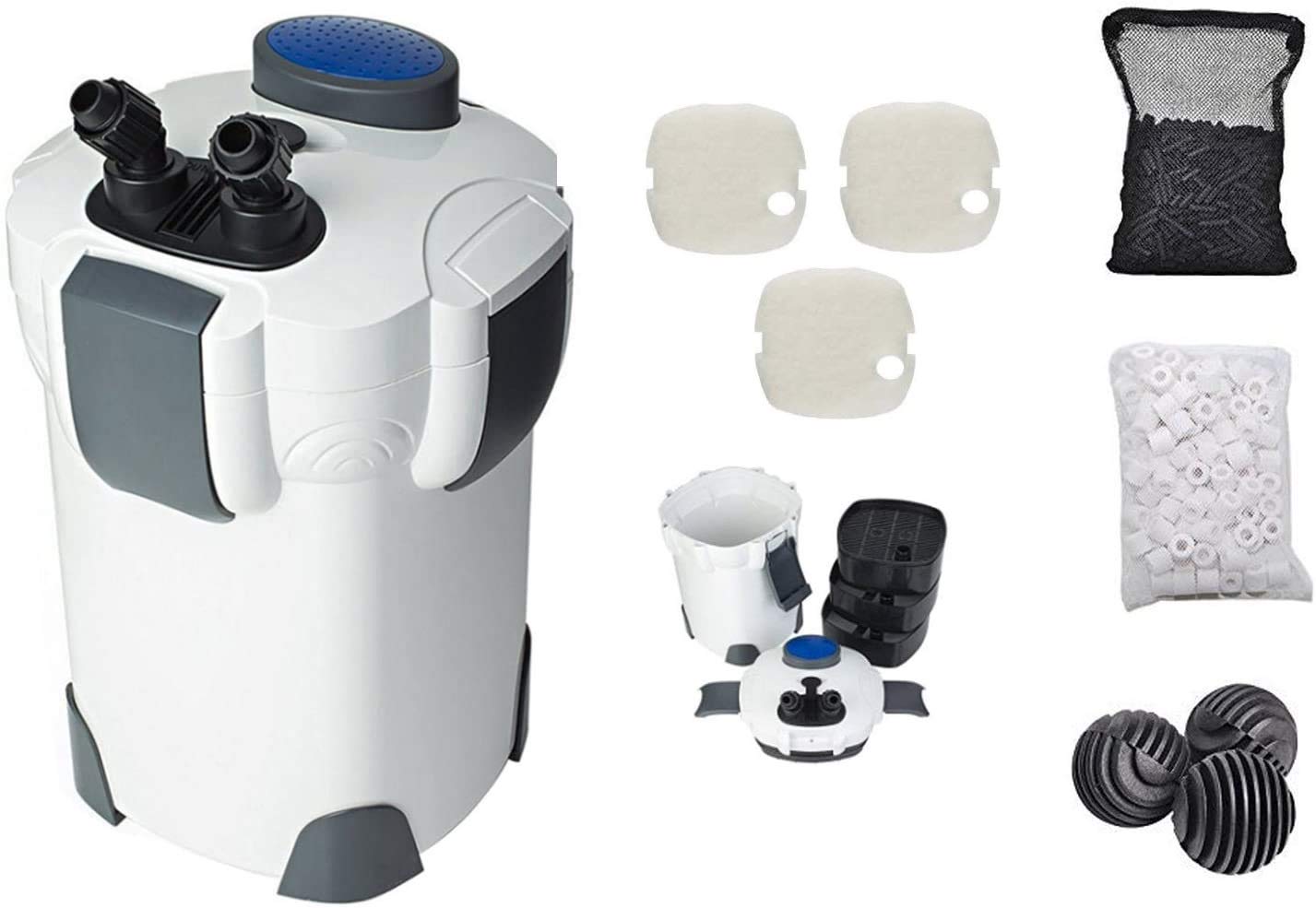
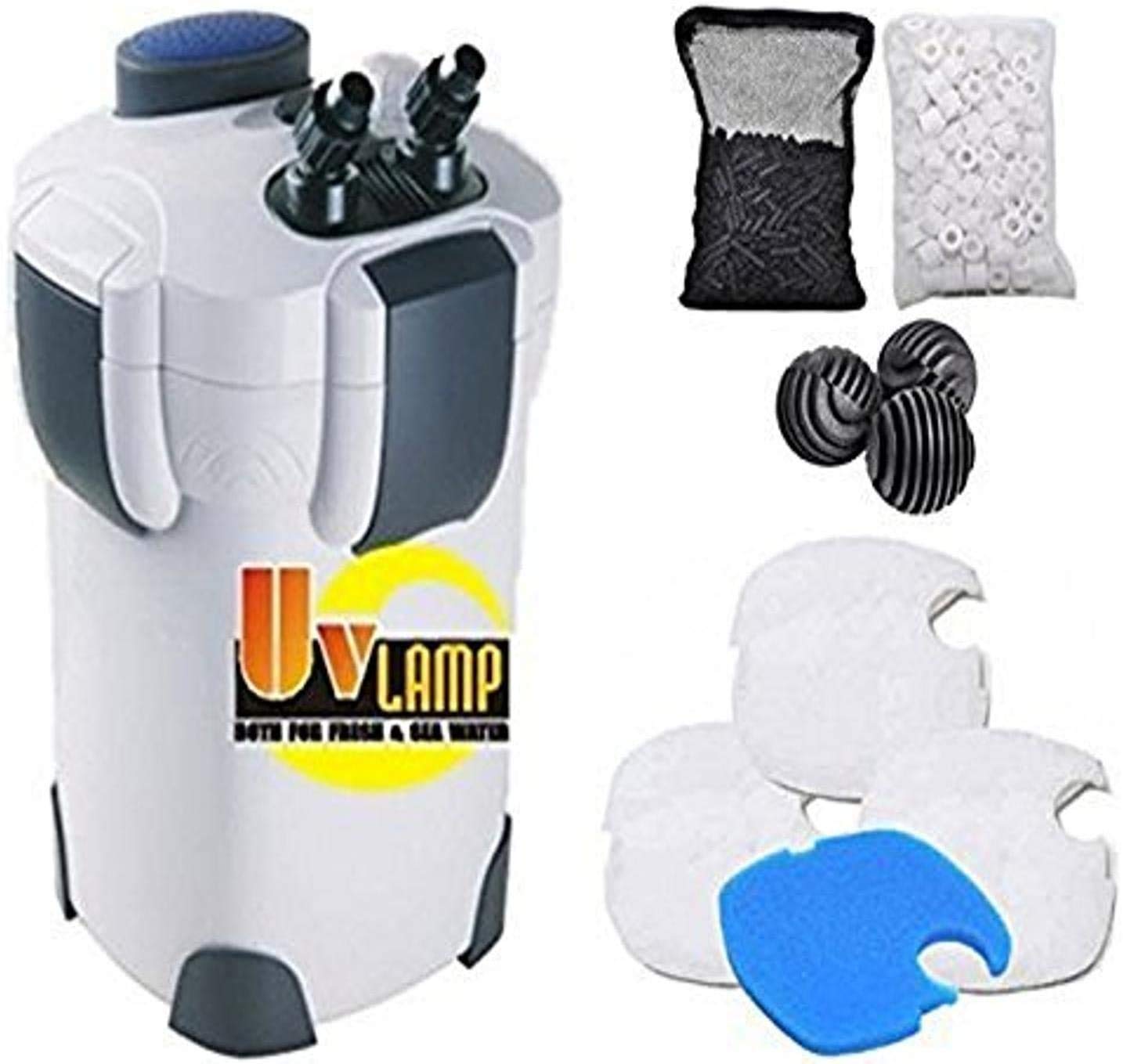
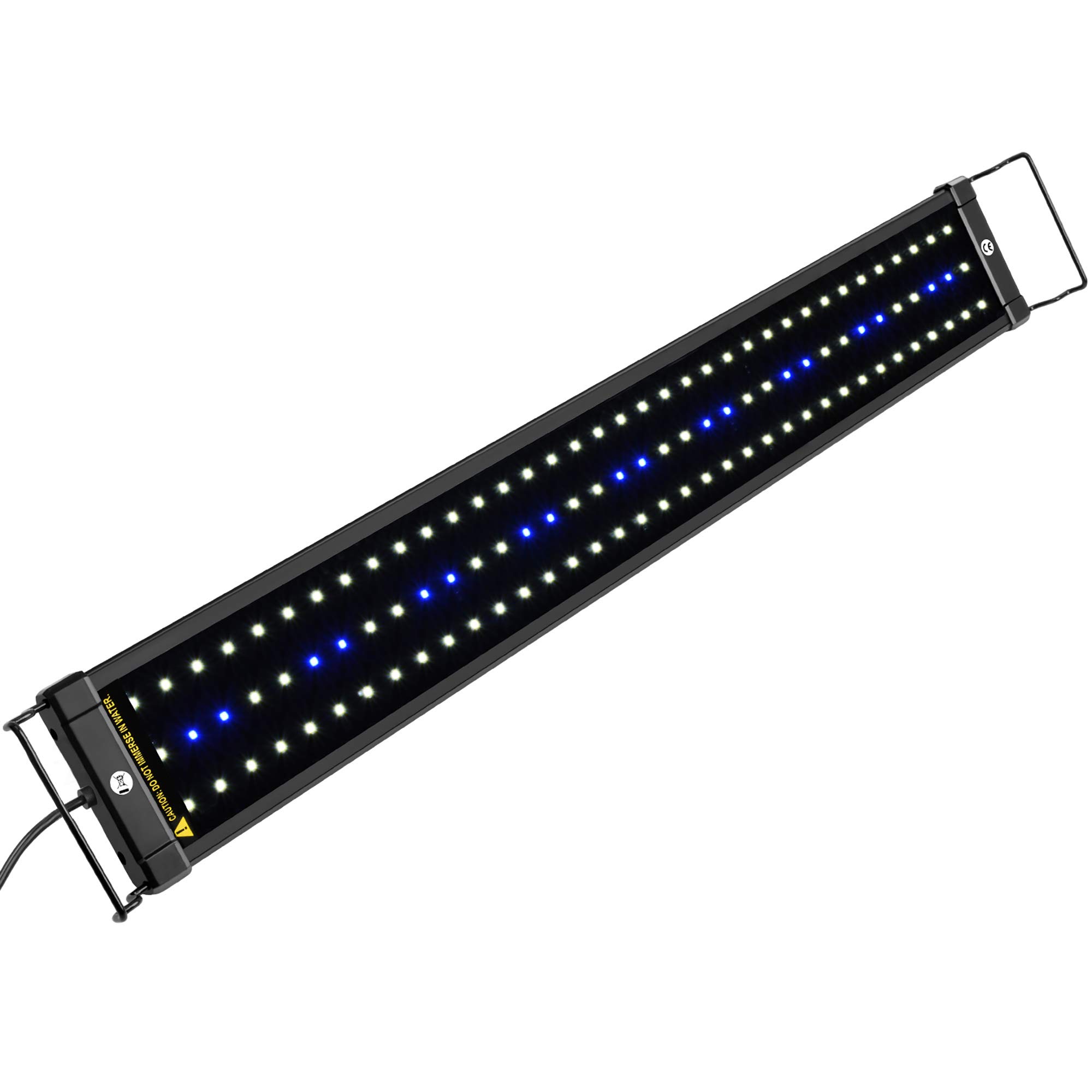
Both Seachem Prime and Fritz Complete claim ammonia detoxification for 24 to 48 hours. In practice, the binding is a reduction of toxic NH3 to the less toxic ammonium-complex form, which your biofilter still processes as ammonia on test kits that use Nessler or salicylate chemistry. That is normal and not a failure of the product; it is why you should not panic-dose when a Seachem MultiTest reads 0.25 ppm after a big change.

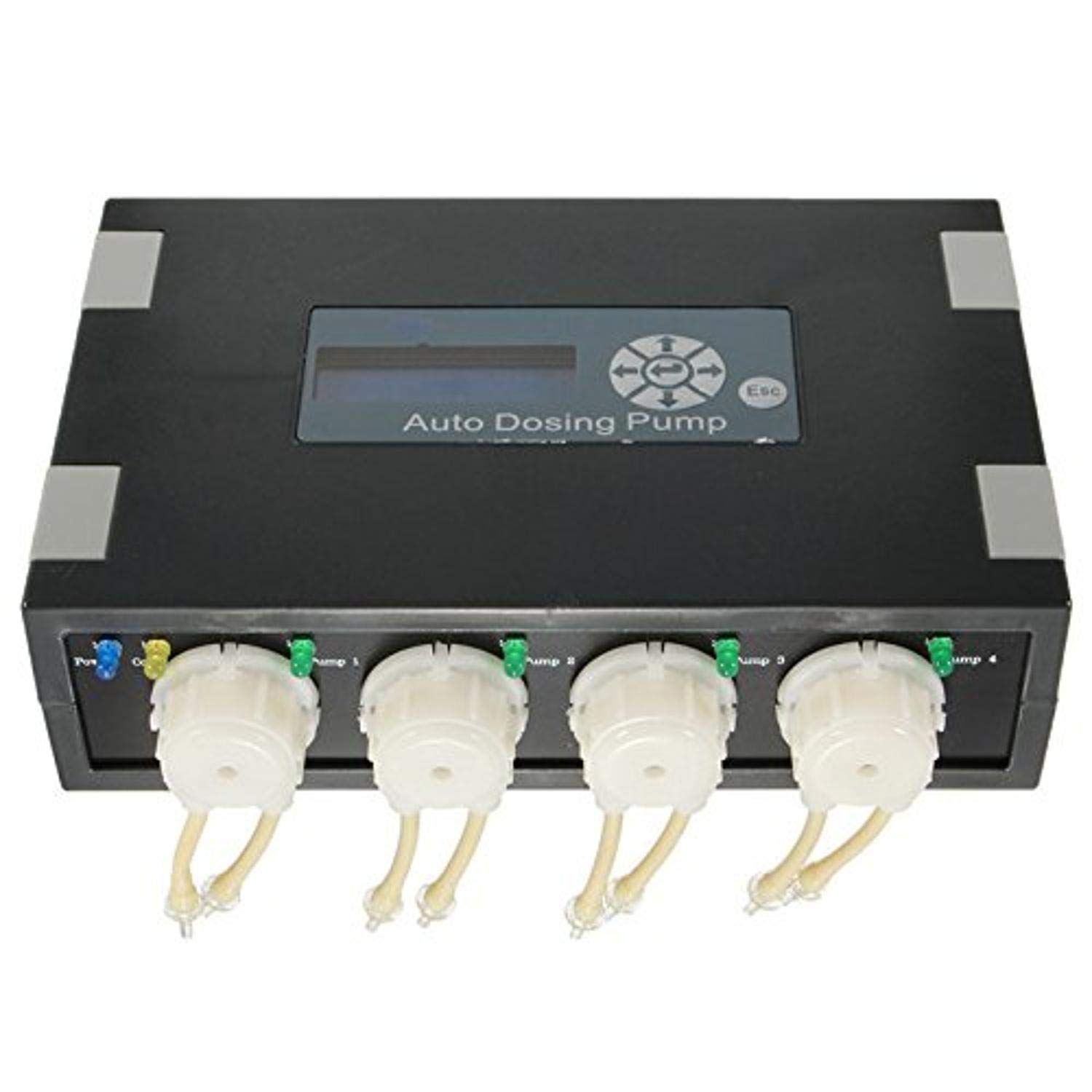
- Model :DP-4, Idea for Dosing CA / MG / AB Water or other liquid
- Each Channel Provides 1 to 9999ml per day,24 timer per day
Dose-for-dose comparison
| Factor | Seachem Prime | Fritz Complete |
|---|---|---|
| Standard dose | 1 mL per 10 gallons | 1 mL per 10 gallons |
| Emergency dose (chloramine spikes) | Up to 5x standard | Up to 3x standard |
| Chlorine neutralization | Yes | Yes |
| Chloramine cleavage and ammonia binding | Yes, 24-48 hr | Yes, 24-48 hr |
| Heavy metal detox | Yes | Yes (copper, lead, zinc) |
| Slime coat additive | No | Yes |
| Sulfur odor | Strong | None |
| Test kit interference | Up to 24 hr on some kits | Minimal, 2-4 hr |
| Shelf life (opened, weekly use) | 12-18 months | ~12 months |
| Cost per 1,000 gal (2 L jug) | Lower | Slightly higher |
| Cold water performance | Pre-mix 2-3 min | Pre-mix 1-2 min |
Seachem Prime: the concentrated standard
Prime has been the default fish room conditioner for over a decade because it is highly concentrated and shelf-stable. The standard dose is 1 mL per 10 U.S. gallons (about 5 mL per 50 gallons), and Seachem permits up to 5x dosing in emergencies without harm to fish or filter bacteria. The active reducing agents are a proprietary blend that Seachem has never fully disclosed, but third-party analysis points to a hydrosulfite/aldehyde combination that reduces chlorine to chloride and converts free ammonia to a sulfonate-bound complex.
For seachem prime vs fritz complete for chloramine tap fish room changes decisions, Prime's biggest practical advantages are: very small volume per gallon (a 2 L jug treats 20,000 gallons), a screw-cap that does not weep, and a sulfur smell that, while unpleasant, is a reliable freshness indicator. Once Prime smells distinctly like rotten eggs throughout the bottle (not just at the cap), it has begun to oxidize and should be replaced. Properly stored, an unopened bottle holds potency for roughly three years; an opened jug used weekly is reliable for 12 to 18 months.
Where Prime can frustrate a fish room operator
Three complaints recur. First, the sulfur smell lingers on hands, dosing cups, and python attachments; some breeders dedicate a separate measuring syringe just for Prime. Second, Prime's reducing chemistry can interfere with certain ammonia and chlorine test kits for 24 hours after dosing, producing false positives that send new fishkeepers into unnecessary water changes. Third, very cold tap water (below 50 F / 10 C) slows the chloramine cleavage reaction, meaning you should pre-mix and let stand for two to three minutes before introducing livestock, especially during winter refills.
Fritz Complete: the no-smell challenger
Fritz Complete is a newer formulation from Fritz Aquatics, the same company behind FritzZyme 7 nitrifying bacteria. It is dosed at 1 mL per 10 gallons for normal chlorine/chloramine and uses a different reducing system that produces no sulfur odor. The bottle smells faintly chemical but is genuinely tolerable in an enclosed fish room, which matters if you spend two hours weekly doing changes in a small basement.
Fritz Complete also detoxifies copper, lead, and zinc and includes a slime-coat enhancer. The ammonia binding claim is similar to Prime's: it converts free NH3 to a non-toxic complex while the biofilter catches up. Fritz publishes a more transparent shelf-life statement (24 months unopened, 12 months opened) and the company has been responsive about lot-level questions, which matters for shops carrying livestock.
Where Fritz Complete tends to win
For fish rooms specifically, Fritz Complete shines when: (1) the operator or family members are sensitive to the sulfur smell of Prime, (2) the room is enclosed with limited ventilation, or (3) you keep sensitive scaleless fish like loaches, stingrays, or wild discus where the slime-coat additive provides a genuine, measurable buffer against handling stress during large changes. Fritz also tends to be friendlier to ammonia test kits, with most users reporting normal Seachem and API readings within two to four hours of dosing rather than 24.
Dosing a fish room without underdosing or wasting product
The biggest mistake in any seachem prime vs fritz complete for chloramine tap fish room changes setup is dosing the tank volume instead of the refill volume. If you are replacing 50% of a 40-gallon tank, you only need conditioner for the incoming 20 gallons, not the full 40. Overdosing is not dangerous with either product up to about 5x, but at fish room scale that adds up to real money over a year.
The cleaner workflow for either product:
- Calculate total weekly refill volume in gallons. A 20-tank rack of 20-gallon longs at 50% changes is 200 gallons.
- Dose into a holding barrel or python attachment at 1 mL per 10 gallons (so 20 mL for 200 gallons). For municipalities with chloramine residuals above 3.0 ppm, bump to 1.5x dose.
- If filling directly from tap via python, dose each tank before opening the refill valve, calculating per the incoming water volume only.
- Match temperature within 4 F before livestock contact. Cold incoming water slows conditioner activity and stresses fish independently.
Our guide to maintaining optimal aquarium water quality goes deeper on the test-kit interpretation side, especially for new fish rooms still calibrating their nitrogen cycle baseline.
Cost per 1,000 gallons treated
At 1 mL per 10 gallons, a 2 L jug of either product treats 20,000 U.S. gallons. As of mid-2026, Prime's 2 L jug runs roughly $45-55, putting the cost per 1,000 gallons at about $2.50. Fritz Complete's 1 gallon jug runs $55-70 and treats ~38,000 gallons, landing close to $1.75 per 1,000. For a fish room doing 500 gallons weekly, that is roughly $65/year for Prime versus $45/year for Fritz at the jug sizes. The difference is real but small enough that smell, test-kit behavior, and product availability often matter more.
Which one to pick for your fish room
Choose Seachem Prime if
Your municipality runs moderate chloramine (under 3 ppm total chlorine), you tolerate the sulfur smell, you want maximum dosing headroom for emergencies (the 5x safety factor is genuinely useful for tank emergencies and shipping arrivals), and you value the longest-running track record in the hobby. Prime remains the default for a reason; tens of thousands of fish rooms have validated it for fifteen-plus years.
Choose Fritz Complete if
The smell is a dealbreaker for the household, you keep scaleless or wild-caught fish that benefit from slime coat support, you want cleaner test-kit readings within hours of a change, or your municipality switches between chloramine and free chlorine seasonally (some do, and Fritz's reducing chemistry handles the transition without dosing recalculation). Shops and breeders selling to picky retail customers often standardize on Fritz because the absence of smell makes drip-acclimation and bagging stations more tolerable.
The pragmatic answer: keep both
Most experienced fish room operators end up with a 2 L jug of Prime for bulk weekly changes and a smaller bottle of Fritz Complete for bagging, quarantine setup, and treating sensitive species. They are not redundant; they complement each other, and switching mid-week causes no measurable issue to the biofilter or livestock.
Frequently Asked Questions
Can I mix Seachem Prime and Fritz Complete in the same tank?
Yes, mixing is safe; the reducing chemistries do not antagonize each other. However, do not double-dose by treating the same water with both products. Pick one per refill cycle, calculate the standard 1 mL per 10 gallons of incoming water, and move on. The only reason to use both is operational convenience, not chemistry.
How long does Prime or Fritz Complete keep ammonia detoxified after a chloramine refill?
Both products bind ammonia for roughly 24 to 48 hours, depending on biofilter strength and total ammonia load. In an established fish room, nitrifiers typically clear the bound ammonia within 2 to 6 hours. The 48-hour window is a safety margin for cycling tanks or post-shipment loads, not a daily reality.
Do I need to dose conditioner for the full tank or just the refill water?
Dose only for the incoming water volume. Conditioner already in the existing tank water has long since reacted with whatever chlorine was present at the last change. Dosing for full tank volume on every change is the single most common waste of conditioner in hobbyist fish rooms.
Will Prime or Fritz Complete affect a planted tank's CO2 or fertilizer regimen?
No. Both products are inert toward typical macro and micro fertilizers, do not chelate iron in problematic ways at standard dose, and do not affect CO2 solubility. Heavy overdosing (above 5x) of Prime can transiently reduce dissolved oxygen via its reducing chemistry, but at standard dose this is not measurable.
What about cold winter tap water from chloraminated supply?
Both products work in cold water, but the chloramine cleavage reaction slows below 50 F. Pre-mix in a holding barrel for 2-3 minutes (Prime) or 1-2 minutes (Fritz) before livestock contact, and always temperature-match within 4 F of tank water regardless of conditioner choice.
How can I tell if my Prime has gone bad?
Fresh Prime smells like sulfur at the cap but the bulk liquid is faintly yellow. Oxidized Prime turns brown, smells overwhelmingly like rotten eggs throughout, and may show sediment. If in doubt after 18 months of opened use, replace it; a $25 bottle is cheap insurance against an underdosed 200-gallon change.
Is Fritz Complete safe for shrimp and snails during chloramine refills?
Yes. Both Prime and Fritz Complete are safe for neocaridina, caridina, and most snail species at standard dose. Fritz's heavy-metal binding (copper specifically) makes it marginally preferable for shrimp tanks if your municipality occasionally spikes copper, which some do during pipe maintenance.
Should I switch from Prime to Fritz Complete if my municipality changed from chlorine to chloramine?
No switch is required; both products handle both disinfectants at the same standard dose. The change to chloramine simply means you should not pre-age water in open barrels expecting the disinfectant to gas off, because chloramine does not evaporate the way free chlorine does. Continue dosing per refill volume as before.