As an Amazon Associate this site earns from qualifying purchases.
If you're dealing with an eheim classic 2217 humming hardwood floor situation, the noise is almost always mechanical vibration transferring from the filter housing into the cabinet and then into the resonant wood surface beneath it. The fix is rarely the filter itself — it's the coupling between the canister and the floor. To stop the hum: (1) re-prime fully to purge trapped air, (2) decouple the canister from the cabinet with a dense foam or cork mat, (3) level the cabinet feet on the hardwood, (4) inspect the impeller and shaft for wear or biofilm, and (5) re-seat the pump head so the gasket sits flat. Most owners eliminate the buzz in under 30 minutes.
Below is the full diagnostic walkthrough, the materials that actually dampen low-frequency canister hum on solid wood flooring, and what to do if the noise still won't quit after the basics.
Why the Eheim Classic 2217 Hums on Hardwood Floors Specifically
Hardwood floors — especially older oak planks, engineered wood over a subfloor, or any floating floor with a foam underlayment — act like a sounding board. The 2217's motor runs at roughly 50/60 Hz, and the impeller adds a higher-frequency whir on top. On tile or concrete, those vibrations dissipate. On hardwood, they couple into the planks and the whole room becomes a speaker. That's why the same filter that was silent in your old apartment suddenly hums in the new one.
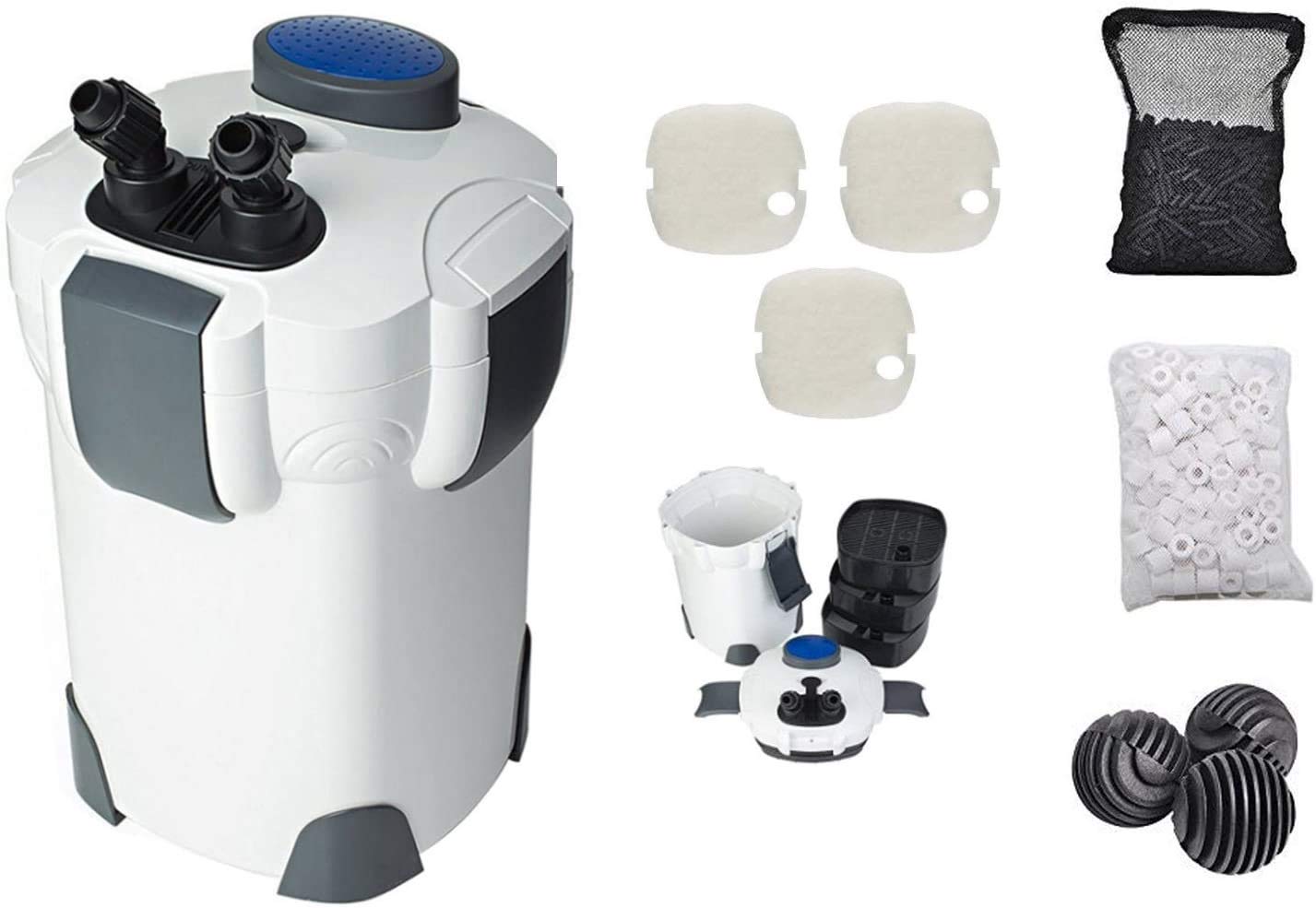
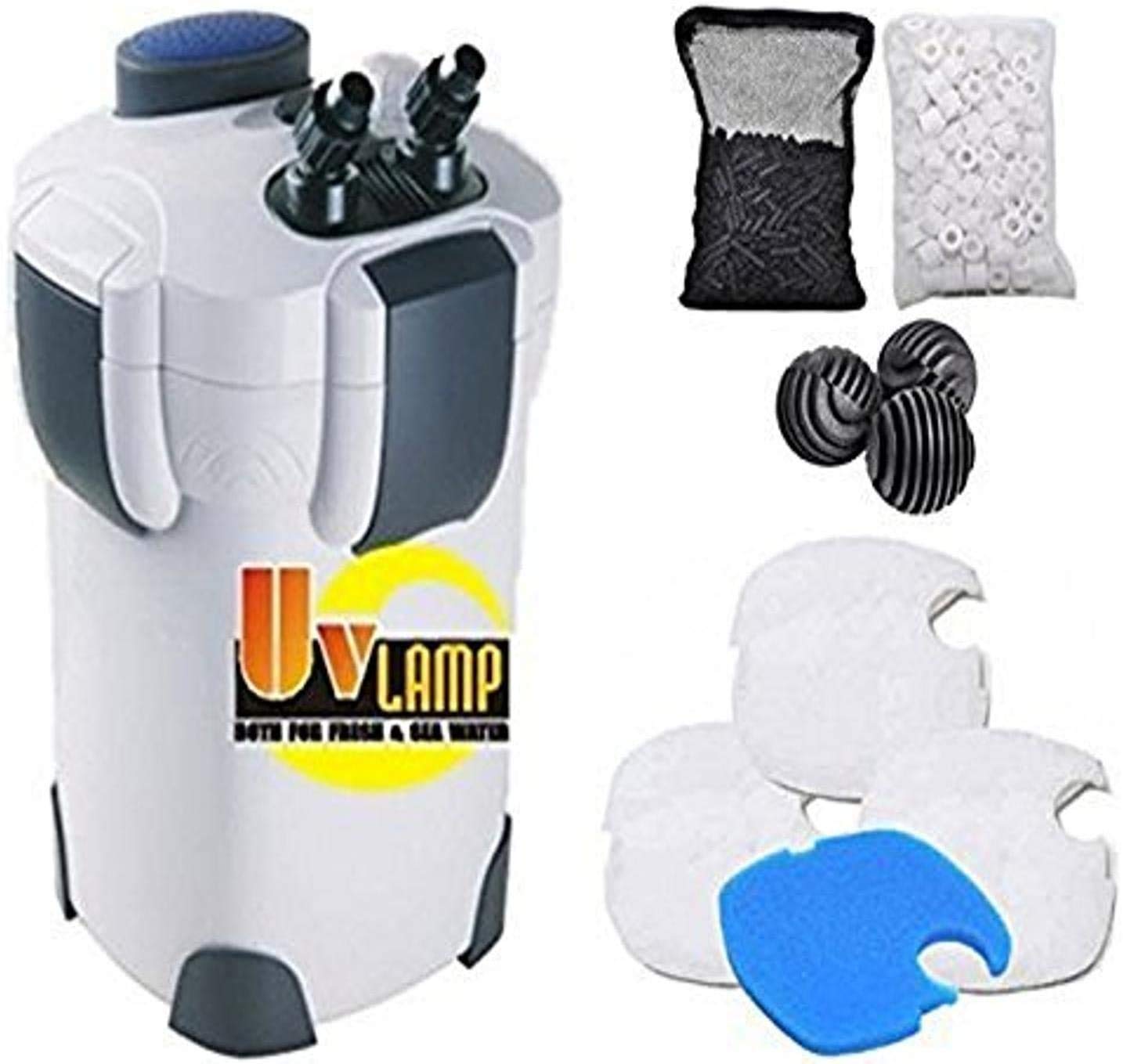
Three things make the eheim classic 2217 humming hardwood floor problem worse than other canisters:
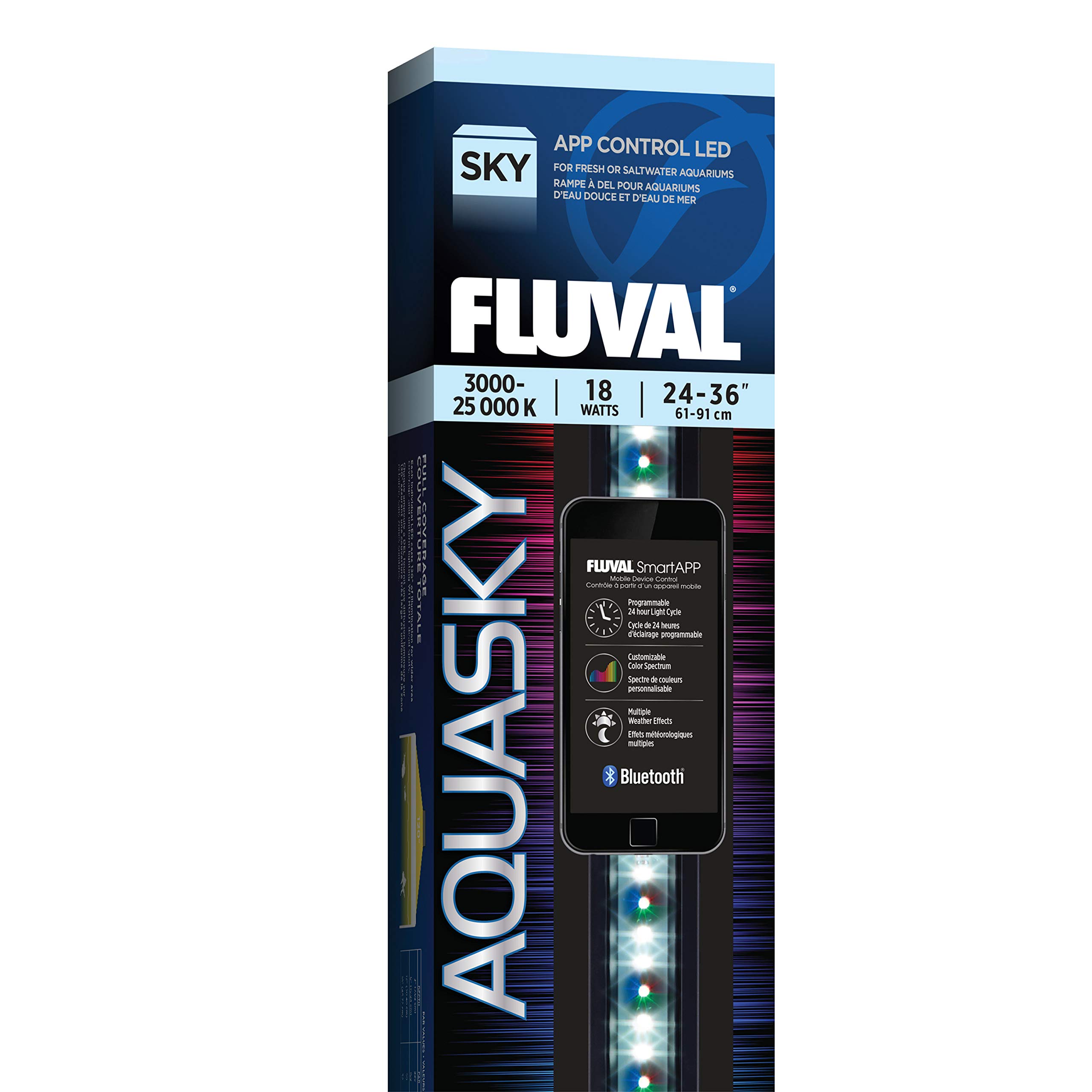
- Fully Customizable RGB + White Spectrum: The Fluval Aquasky 2.0 (18W) delivers vibrant, customizable lighting through RGB LEDs plus 6500K white LEDs. Create infinite color
- Bluetooth Control with FluvalSmart App: Easily program your light via the FluvalSmart App, which gives you total control over brightness, color, and timing. Adjust your 24-hour
What to Put Under the Filter: Buyer's Guide
The right damping material is the difference between a 2217 you hear from the next room and one you forget is running. Here's how the common options stack up for canister-on-hardwood setups.
| Material | Damping | Water-safe | Longevity | Best for |
|---|---|---|---|---|
| Closed-cell EVA foam (1–1.5 cm) | Excellent | Yes (non-absorbent) | 5+ years | Permanent fix inside the cabinet |
| Cork-rubber composite sheet | Excellent | Yes | 5+ years | Heavier canisters, FX-series too |
| Yoga mat (open-cell EVA) | Good | Marginal | 1–2 years | Quick test before buying proper material |
| Felt furniture pads | Poor | Wicks water | Months | Not recommended |
| Folded microfiber towel | Moderate | Wicks water | Temporary | Same-night emergency fix |
- The 2217 is a tall, narrow canister with a heavy motor head on top, so it's top-heavy and prone to micro-rocking.
- The pump head sits directly on the canister body with a single large gasket — if the gasket is dry, pinched, or unevenly compressed, the head transmits vibration straight down.
- Eheim's intake/output tubing is rigid compared to ribbed alternatives, so vibration travels up the hoses into the tank rim as well.
Step 1: Rule Out Trapped Air (The #1 Cause)
Before you blame the floor, prime the filter properly. A 2217 with even a small air pocket under the impeller cover will hum, gurgle, or rattle until the air is purged. Shut the filter off, close both taps on the double-tap connector, disconnect, and tilt the canister gently side-to-side. You'll hear air sloshing. Re-prime using the integrated primer (or by sucking water through the output hose), and listen for the impeller to spin up smoothly.
If the hum disappears for a few minutes after priming and then returns, you likely have a slow air leak — check the o-ring on the pump head and both hose connections. A thin smear of silicone-safe Eheim grease on the head gasket usually fixes it.
Step 2: Decouple the Canister from the Cabinet Floor
This is the single highest-impact fix for hardwood-floor hum. The 2217 sits inside your stand on a thin plastic base. That base transmits motor vibration directly into the cabinet's bottom panel, which transmits it into the hardwood. You need a damping layer between the filter and whatever it sits on.
Use one of these, in order of effectiveness:
- A dense closed-cell EVA foam pad (the kind used under washing machines), cut to fit the canister footprint, ~1–1.5 cm thick.
- A cork-rubber composite sheet, the type sold for under HVAC equipment.
- A folded microfiber towel as a free emergency fix — surprisingly effective short-term.
Do not use thin felt furniture pads. They compress flat in days and lose their damping. Avoid anything that could wick water if a hose clamp ever loosens — closed-cell foam is the right choice because it doesn't absorb.
Step 3: Level the Cabinet on the Hardwood
If your cabinet rocks even 1 mm, the canister inside will amplify that movement. Hardwood floors are rarely truly flat — there's usually a slight crown along plank seams. Put a small bubble level on top of the cabinet (front-to-back and side-to-side). Shim the low feet with hard rubber furniture coasters until the bubble centers. Soft felt sliders are the wrong tool here; they compress unevenly under the tank's weight and reintroduce wobble within weeks.
While you're under there, check that the cabinet's bottom panel isn't bowed. A 75-gallon-plus tank can bow a thin MDF base over time, leaving a hollow under the filter that resonates like a drum. A piece of 3/4" plywood cut to fit the cabinet floor will stiffen it.
Step 4: Inspect the Impeller, Shaft, and Bearing
If you've owned the 2217 for more than two years and never cleaned the impeller well, this is probably part of your noise. Unplug the filter, remove the pump head, and pull the impeller out by hand. Look at:
- The ceramic shaft — it should be smooth, straight, and unchipped. A chipped shaft causes a constant buzz. Replacement shafts are inexpensive.
- The rubber shaft bushings at the top and bottom of the impeller well — if they're hardened or missing, the shaft chatters in its socket.
- The impeller magnet — calcium buildup or biofilm unbalances it. Soak in a 1:4 vinegar-water solution for 20 minutes and rinse.
Reassemble with a thin film of Eheim grease on the gasket and the shaft bushings. A new shaft and a clean impeller will cut motor noise by 50% or more on a tired 2217.
Step 5: Quiet the Hose Path
The 2217's rigid hose can transmit vibration into the tank rim, where it amplifies just like the floor does. Two tricks:
- Make sure the hoses gently curve — no sharp kinks, no straight vertical runs pulled tight.
- Where the spray bar or output clips to the rim, wrap the contact point with a strip of self-adhesive foam weatherstrip. This breaks the vibration path into the glass.
Best Permanent Pick: Closed-Cell EVA Anti-Vibration Pad
Cut a 1 cm to 1.5 cm closed-cell EVA pad to the exact footprint of the 2217. The closed-cell structure means it won't compress flat over time and won't soak up a hose drip. It's the same material recommended under washing machines and treadmills for the same reason — it kills low-frequency motor hum without bottoming out under weight. Look for sheets sold as "anti-vibration mat" or "washing machine pad" on Amazon and trim with a utility knife.
Best Heavy-Duty Pick: Cork-Rubber Composite Sheet
If your cabinet floor is bowed or you've got a larger tank with a heavier canister stack (a 2217 plus a UV sterilizer plus a reactor, for example), cork-rubber sheet is denser and handles more load without compression. It's also chew-proof if you have curious cats or dogs near the stand. Slightly more expensive than EVA but lasts essentially forever.
If the Hum Still Won't Stop
You've primed, decoupled, leveled, cleaned the impeller, and dampened the hoses, and you can still hear it. Three less-common culprits remain:
- The motor head's electromagnetic core is loose. On older 2217s, the laminated steel core inside the pump head can develop a subtle buzz from age. Eheim sells replacement pump heads; this is the fix when nothing else works.
- Voltage issues. If you're running a 230 V European 2217 on a North American step-up transformer (or vice versa), the motor will hum loudly. Use the version sold for your region.
- The hardwood floor itself is resonant. If the cabinet sits over a floor joist bay rather than directly over a joist, the planks act like a drumhead. Moving the stand 30 cm so a cabinet foot lands directly on a joist sometimes silences a tank that no amount of damping could quiet.
Maintenance Habits That Keep It Quiet
Once you've fixed the hum, keep it fixed:
- Clean the impeller and shaft every 6 months, not just the media.
- Replace the head gasket every 2–3 years — they harden and start leaking vibration before they leak water.
- Keep a thin film of Eheim grease on the gasket at every service.
- Don't pack the media baskets so tightly that flow drops — a starved impeller cavitates and buzzes.
For broader context on canister setup, flow rates, and media choices, our guide to aquarium filtration systems covers the principles that apply across every Eheim Classic in the lineup. If you're weighing whether the 2217 is still the right filter for your tank, see best aquarium filters 2026 and our deeper dive in best aquarium filtration tips.
Frequently Asked Questions
Why does my Eheim 2217 hum louder at night?
It's not actually louder — ambient noise drops at night, so the same low-frequency motor hum becomes audible. The eheim classic 2217 humming hardwood floor effect is also more obvious at night because the floor's resonance isn't masked by HVAC, traffic, or conversation. Damping the canister inside the cabinet is the fix.
Is it normal for a brand-new Eheim Classic 2217 to hum for the first few days?
Some break-in noise is normal for the first 24–48 hours as residual air works out of the impeller well and the new gasket seats. If a clear hum persists past 72 hours, prime the filter again and check that the pump head is fully clipped down on both sides.
Will putting the 2217 on a yoga mat fix the hum?
It will help noticeably as a short-term test, but yoga mats are open-cell foam, compress flat under sustained weight within a year, and absorb water if a hose ever drips. Use one to confirm that decoupling solves your problem, then swap to closed-cell EVA or cork-rubber for the permanent install.
Can I lay the Eheim Classic 2217 on its side to reduce noise?
No — the 2217 is designed for vertical operation. Laying it on its side traps air in the pump head, causes the impeller to run dry, and will burn out the motor. Always operate it upright with the pump head on top.
How much should I grease the Eheim 2217 head gasket?
A thin film, just enough to make the rubber look glossy — not a thick coating. Too much grease can squeeze out and contaminate the impeller well. Use only Eheim's own silicone grease or a verified aquarium-safe silicone; petroleum-based grease will swell the gasket and cause leaks.
Does the 2217 hum mean my impeller is failing?
Not necessarily. A failing impeller usually clicks or rattles rather than hums. A steady low hum almost always points to mechanical coupling between the canister and the floor, or to trapped air. Pull the impeller and inspect it anyway if the filter is more than two years old — a worn shaft is cheap to replace.
Will a larger canister like a Fluval FX6 be quieter on hardwood?
Larger canisters move more water but also weigh more and can transmit more vibration if not isolated. The same damping principles apply. See our Fluval FX6 canister filter review 2026 for a direct comparison on noise, footprint, and maintenance overhead before swapping out a perfectly good 2217.
Should I just buy a new 2217 if mine is over 10 years old?
Not yet. A 10-year-old 2217 with a new impeller, new shaft, new gasket, and proper damping will run as quietly as a new one — these filters are famously rebuildable. Replace only if the pump head itself develops an electromagnetic buzz that survives a full rebuild.