As an Amazon Associate this site earns from qualifying purchases.
To silence a Fluval 307 canister intake vortex on a rimless shrimp tank, lower the intake strainer 1-2 inches deeper below the waterline, fit a coarse sponge pre-filter over the strainer to break surface tension, throttle the inlet tap to roughly 70-80% open, and confirm the canister is fully purged of trapped air. The whirlpool you hear is not the pump itself; it is a surface vortex forming where the intake sucks air down the column. On a rimless tank with a low waterline, that air entrainment is amplified, producing the gurgling drone shrimp keepers find unbearable next to a quiet planted display.
This guide walks through every cause of vortex noise on the Fluval 307 specifically, then gives you a tuning sequence you can run in 15 minutes without buying anything. After that, we cover the small upgrades (sponges, surface skimmers, lily pipes) that solve the problem permanently, and finish with a buyer-style comparison of the mod paths so you can pick what matches your aquascape. Everything here assumes a rimless shrimp setup where aesthetics matter as much as silence, so we will not recommend bulky add-ons that ruin the scape.
Why the Fluval 307 Intake Vortexes on Rimless Tanks
The 307 ships with a ribbed plastic strainer designed to sit a few inches below the waterline on a rimmed aquarium. Rimless tanks, especially shrimp tanks in the 10-29 gallon range, are typically filled to within 1 cm of the rim for that infinity-edge look. That puts the intake strainer dangerously close to the surface. When the pump pulls 383 GPH (rated) through a strainer that is only an inch or two below the water, a depression forms above the strainer, the surface dimples, and air gets sucked into the inlet line. Inside the canister, that air gathers under the lid and gets re-injected through the spray bar or outflow nozzle, producing the classic chugging vortex sound.
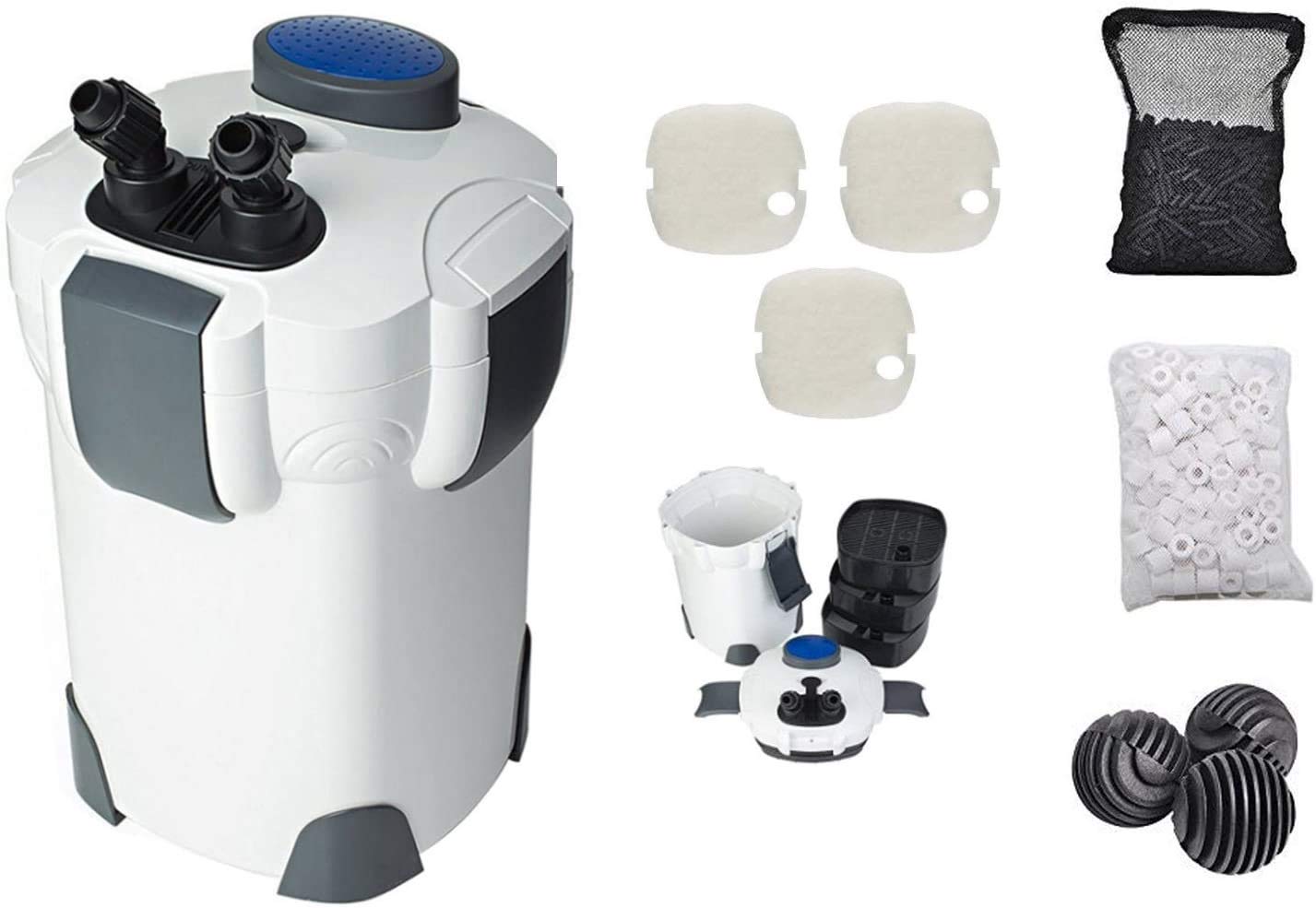
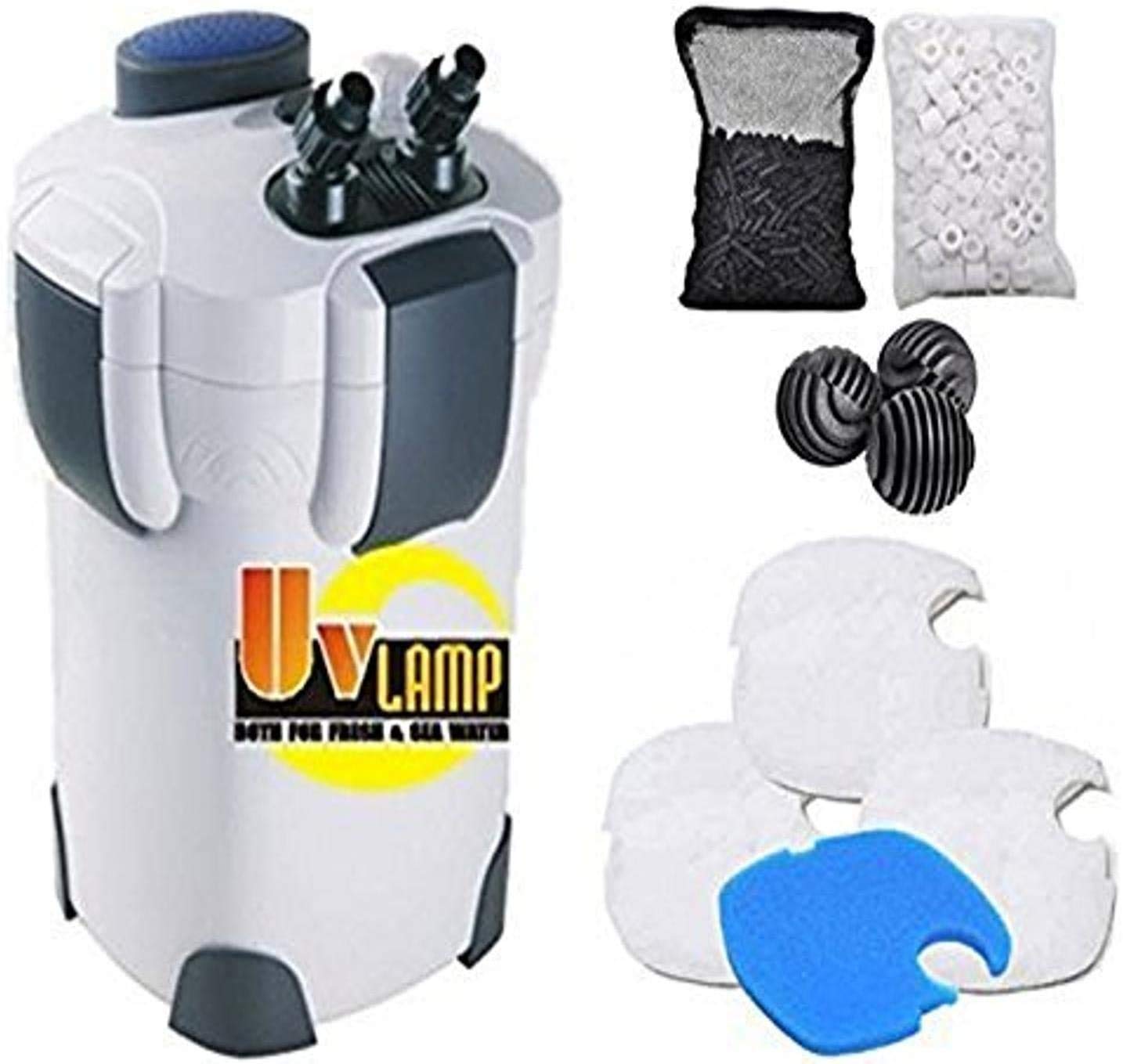
Three compounding factors make this worse on shrimp tanks:
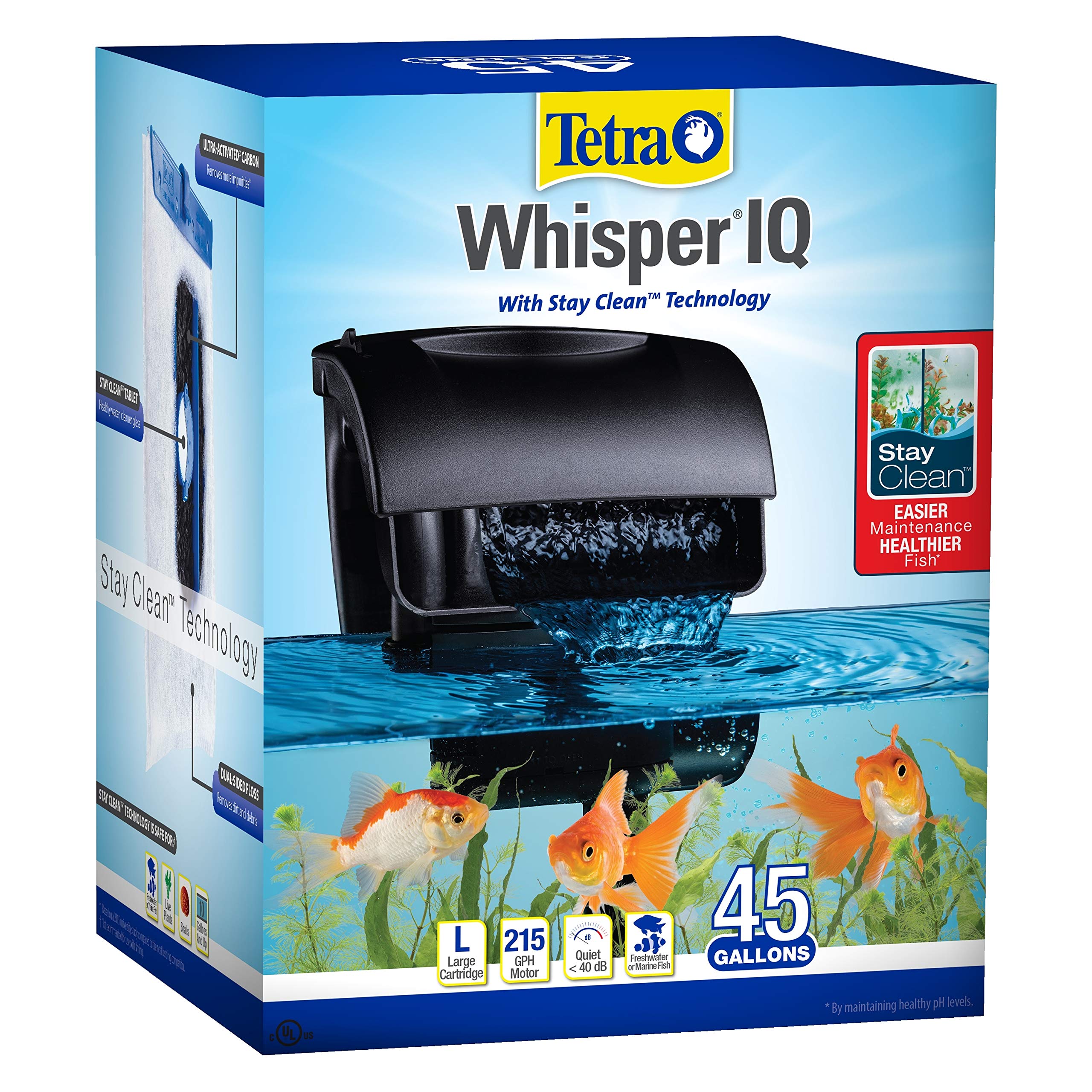
- QUIET AQUARIUM FILTER: The Tetra Whisper IQ Power Filter with Stay Clean technology contains a sound shield for quiet filtration less than 40 dB
- SELF PRIMING: Submerged motor starts up with no priming required
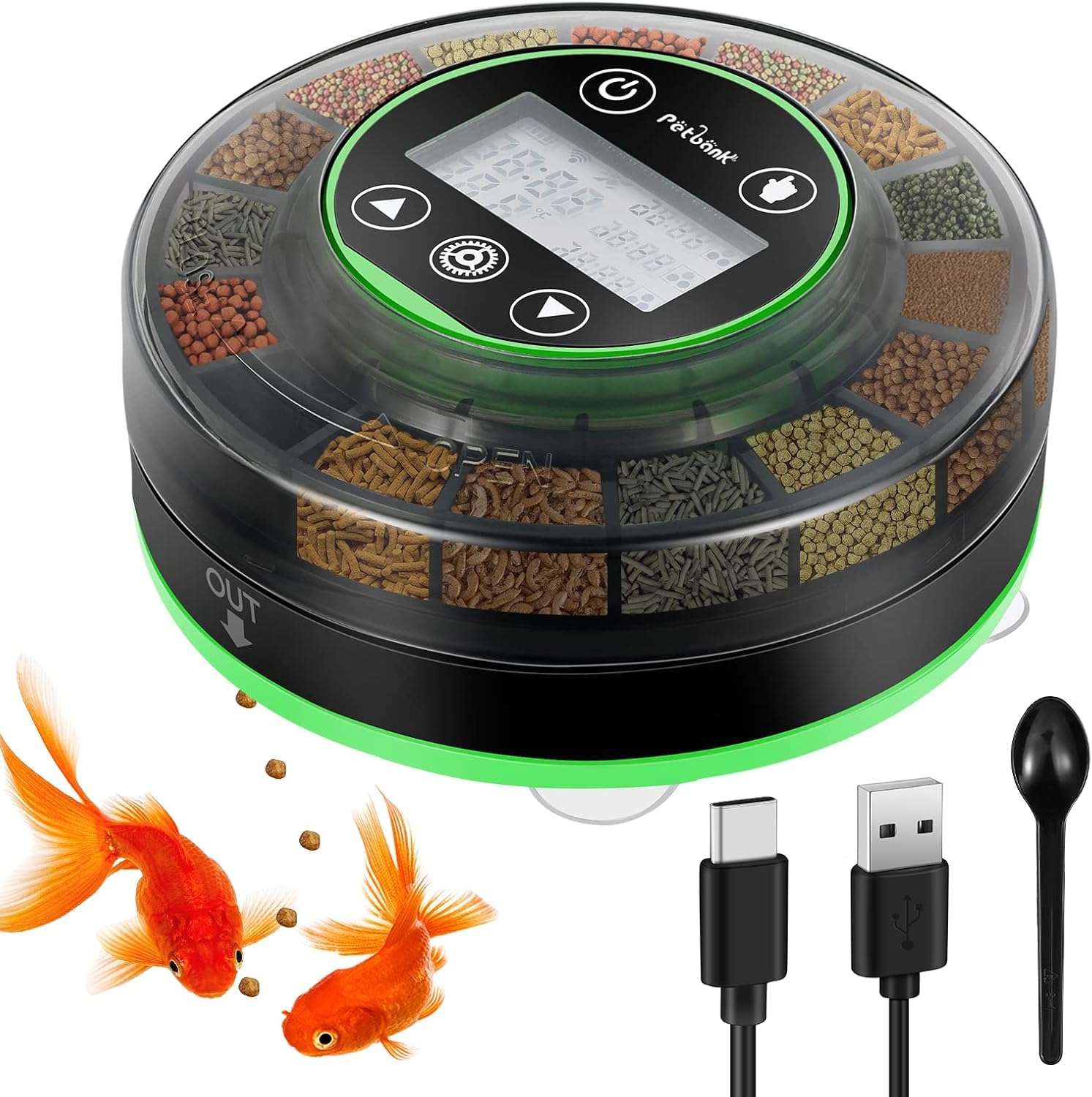
- Accurate Food Amount :Compared with ordinary fish feeders with only one compartment, Petbank updated automatic fish feeder contains 16 grids in total, which is able to provide 15
- 2 Setup Methods :Petbank aquarium feeder provides two different installation ways to fit different types of aquariums. You can either mount it to the tank by adjustable clamp
Comparison: Which Mod Path for Your Tank?
| Mod | Vortex silenced | Aquascape impact | Shrimp safety | Maintenance interval | Approx. cost tier |
|---|---|---|---|---|---|
| Tuning only (free) | Often, not always | None | Excellent | Per water change | $0 |
| Coarse sponge pre-filter | Yes, reliably | Visible, utilitarian | Excellent (also protects shrimplets) | 2-3 weeks rinse | Low |
| Surface skimmer attachment | Yes | Moderate, dark plastic | Good with mesh mod | Monthly clean | Mid |
| Glass/acrylic lily pipe | Yes, when clean | Premium, invisible | Excellent | Monthly algae brush | High |
- Low evaporation tolerance. Shrimp keepers rarely top off daily, so the waterline drops a few millimeters a day, gradually exposing more of the intake.
- Dense planting. Stem plants and mosses near the intake disturb laminar flow and feed surface ripples that the vortex locks onto.
- Quiet rooms. Shrimp tanks live in offices and bedrooms. A vortex that would be inaudible in a fish room is unmistakable at 2 a.m.
Knowing this, the entire problem-solving framework for how to silence Fluval 307 canister intake vortex on rimless shrimp tank installations comes down to one principle: keep air out of the intake. Every fix below either physically blocks air entry or moves the entry point further from the surface.
The 15-Minute Free Tuning Sequence
Before you buy anything, run this sequence. It resolves the vortex in roughly 70% of cases I have personally diagnosed on 307s.
Step 1: Purge trapped air
Unplug the canister. Close both taps. Disconnect the inlet, hold it above the tank, and let water gravity-feed until you see a steady, bubble-free stream returning to the canister housing. Tilt the canister back and forth gently to dislodge air pockets under the impeller cover. Reconnect, open taps, and restart. A 307 that has not been burped after maintenance will vortex on day one regardless of intake depth.
Step 2: Drop the strainer
Loosen the suction cups holding the intake tube and slide the strainer down until its top edge is at least 4 cm below the waterline. On a rimless 20-gallon, this usually means the strainer sits roughly mid-column. If the rigid intake tube is too short, you can rotate the elbow at the top to gain another inch, or trim the upper section and use a flexible coupling.
Step 3: Throttle the inlet, not the outlet
Counterintuitive but important: close the inlet tap to about 75% open. This reduces suction velocity at the strainer, which raises the depression threshold where surface air gets pulled in. Closing the outlet tap instead just pressurizes the canister and does nothing for vortex formation.
Step 4: Check the impeller well
Pull the impeller, inspect for biofilm in the shaft socket, and rinse. A slightly bound impeller cavitates, which sounds identical to a vortex and is often misdiagnosed. While you are in there, check that the ceramic shaft has not snapped, a common failure point on 307s past the two-year mark.
If the noise persists after these four steps, you have a geometry problem, not a tuning problem, and you need a sponge or skimmer mod.
Permanent Mod #1: Coarse Sponge Pre-filter
A pre-filter sponge slipped over the 307 strainer is the single most effective vortex killer. It does three things at once: it physically blocks air bubbles from being inhaled, it diffuses suction across a much larger surface area (dropping local velocity by 5-10x), and it doubles as biological media plus shrimplet protection.
For the 307's roughly 1-inch strainer outer diameter, look for a pre-filter sponge sized for 16 mm intake tubes. Coarse pore (20-30 PPI) is correct; finer sponges clog too fast in a shrimp tank's biofilm-heavy environment. Replace or rinse the sponge in tank water every 2-3 weeks. Do not use tap water, which will kill the bacterial colony and trigger a mini-cycle that is hazardous to caridina shrimp.
Common pitfalls with sponge pre-filters on the 307
Two mistakes I see repeatedly. First, people buy a sponge that is too small in length and only covers the strainer slots, leaving the top of the strainer exposed. Get a sponge that fully covers the strainer plus 2 cm above it. Second, people forget to clean it. A clogged sponge starves the pump, which causes a different kind of cavitation noise that sounds suspiciously like a vortex returning. If your silenced 307 starts whining again after three weeks, clean the sponge before assuming the mod failed.
Permanent Mod #2: Surface Skimmer Attachment
If the sponge ruins your aquascape, a surface skimmer is the elegant alternative. Fluval sells a 307-compatible surface skimmer attachment that clips onto the intake and pulls water from a slot at the surface. Counterintuitively, this eliminates the vortex because the skimmer slot is designed to draw a controlled sheet of water without forming a localized depression. It also removes the protein film that builds on rimless shrimp tanks, which improves gas exchange.
The trade-off: skimmers can suck in floating plants (riccia, frogbit) and small shrimplets if the slot is poorly tuned. For a shrimp tank, add a fine mesh bag over the skimmer slot or wrap the slot with a thin layer of filter floss. You lose a small amount of skimming efficiency but eliminate shrimplet mortality.
Permanent Mod #3: Glass or Acrylic Lily Pipe Inlet
For high-end aquascapes, a glass or acrylic lily pipe inlet replaces the entire 307 intake assembly. The flared bell shape at the top of a lily pipe inlet is geometrically optimized to avoid vortex formation: suction is distributed around the entire circumference of the bell, no single point reaches the velocity required to entrain air. Properly installed, a lily pipe inlet is dead silent.
You need to match the lily pipe to the 307's 16/22 mm hose size. Glass is prettier but breaks on the first careless maintenance day; acrylic is forgiving but yellows over 18-24 months. Either way, expect to clean algae from the inside of the bell monthly with a flexible brush, otherwise flow restriction causes a different cavitation sound.
The honest recommendation for most shrimp keepers reading this is: do the tuning sequence first, then add a sponge pre-filter. That combination silences the vortex and adds shrimplet protection at the cost of a slightly less clean look. Upgrade to a lily pipe only when the tank is mature, the rest of the scape is camera-ready, and the sponge is the only visual blemish left.
Don't Forget the Outflow
Roughly 20% of "intake vortex" complaints on the 307 are actually outflow noise misdiagnosed. The stock spray bar generates surface agitation that can mask or amplify intake sounds. If your tuning is dialed in and you still hear noise, point the outflow downward at a 30-degree angle, or swap the spray bar for a lily pipe outflow. Combined inflow + outflow lily pipes turn a 307 into one of the quietest canisters you can run on a shrimp tank.
If you are still in the research phase and comparing canisters for a different build, our canister filter guide for heavily planted 75-gallon tanks walks through which models tolerate restriction best, and the Fluval FX6 review for 2026 covers the big-brother model if you outgrow the 307.
When the Noise Is Actually a Failing Pump
One last diagnostic. If you have run the tuning sequence, fitted a sponge, and the noise is now a continuous high-pitched whine rather than the original gurgling vortex, the impeller assembly is probably failing. The 307's ceramic shaft and impeller magnet are wear items rated for roughly 2-3 years of continuous use in hard water. Order a replacement impeller assembly from Fluval directly; aftermarket clones often run hotter and louder. Replacement takes five minutes once the canister is open.
For broader filter maintenance habits that keep any canister quiet, see our writeups on aquarium filtration tips and the general filtration systems guide.
Frequently Asked Questions
Why does my Fluval 307 vortex worse after a water change on my shrimp tank?
Two reasons. First, water changes drop the waterline temporarily, putting the intake closer to the surface and accelerating vortex formation. Second, the canister often traps air during the restart, and that air re-enters the loop for the first 24 hours. Top off the tank fully before restarting the canister, and burp the canister by tilting it gently with the inlet tap open.
Will a pre-filter sponge reduce my Fluval 307 flow rate too much for a shrimp tank?
Negligibly when clean. A fresh coarse sponge costs you maybe 5-10% of rated flow, which is well within the 307's safety margin and actually beneficial for shrimp, who prefer gentle current. When the sponge clogs (every 2-3 weeks in a mature tank) flow drops to roughly 50%, which is why rinsing on schedule matters.
Can I just lower the waterline to silence the vortex?
No, that is the opposite of the fix. Lowering the waterline brings the intake closer to the surface, which worsens air entrainment. You want either a higher waterline relative to the strainer, or a deeper strainer relative to the waterline. Both achieve the same geometric result.
Does the Fluval 307 vortex problem apply to the 207 and 407 as well?Yes, the entire 07-series shares the same strainer geometry and the same vulnerability on rimless tanks. The 407 is worse because its higher flow rate (550 GPH rated) creates more aggressive suction at the strainer. The 207 is marginally better simply because flow is lower. All three respond to the same fixes.Is intake vortex damaging the Fluval 307 long-term?
Yes, mildly. Continuous air ingestion accelerates impeller wear because the impeller spins faster in the air-water mix than in solid water, and the magnetic coupling sees more thermal stress. A 307 that has vortexed for a year typically needs an impeller replacement; a properly silenced 307 reaches three years easily.
Will adding an air stone or sponge filter make the vortex worse?
Surface-disturbing air stones make the vortex slightly worse by adding more entrainable bubbles near the intake. Sponge filters running off a separate air pump have no effect on the 307 intake if they are placed on the opposite side of the tank. For a quiet shrimp setup, position any auxiliary air-driven filtration as far from the canister intake as possible.
How do I know if my noise is intake vortex versus impeller cavitation?
Intake vortex is rhythmic, low-pitched, and gets louder when you lower the waterline. Impeller cavitation is constant, higher-pitched, and unchanged by waterline. If pinching the inlet hose briefly silences the noise, it is vortex. If the noise continues with the inlet pinched, the problem is in the canister itself.
For broader rimless tank setup considerations including stocking, plant choice, and equipment selection that work alongside a silenced canister, our freshwater aquarium setup guide is the next read.