As an Amazon Associate this site earns from qualifying purchases.
If you want to know how to quiet Tetra Whisper air pump vibration glass stand noise, the fix is almost always decoupling, not replacing the pump. A glass aquarium stand acts like a soundboard, amplifying the tiny 60 Hz buzz of the diaphragm into a room-filling drone. The fastest results come from suspending the pump on a soft strap, placing it on a layered foam pad, or moving it off the glass shelf entirely onto a wall hook. Below you will find a step-by-step quieting guide, recommended dampening materials, and a buyer's checklist for replacement parts that keep your Whisper truly whisper-quiet.
Why a Tetra Whisper Sounds Loud on a Glass Stand
The Tetra Whisper series uses an electromagnetic diaphragm that oscillates at line frequency. On its own, the pump produces a low hum around 40–45 dB. But when you set it directly on a glass shelf — common in modern tank stands — the glass panel resonates with that frequency and behaves like a speaker cone. The result is a buzz that can climb to 55–60 dB, loud enough to dominate a quiet living room at night.
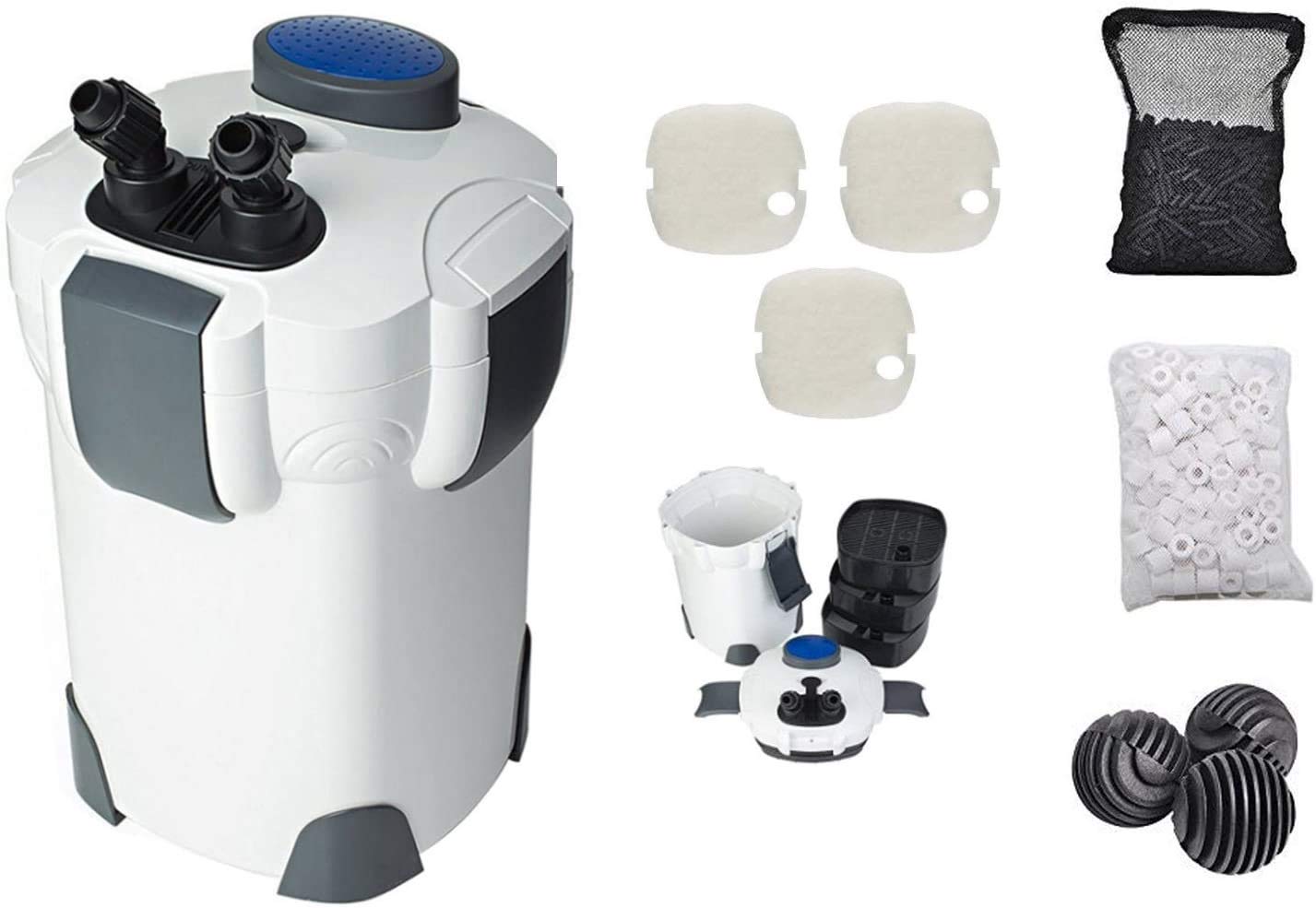
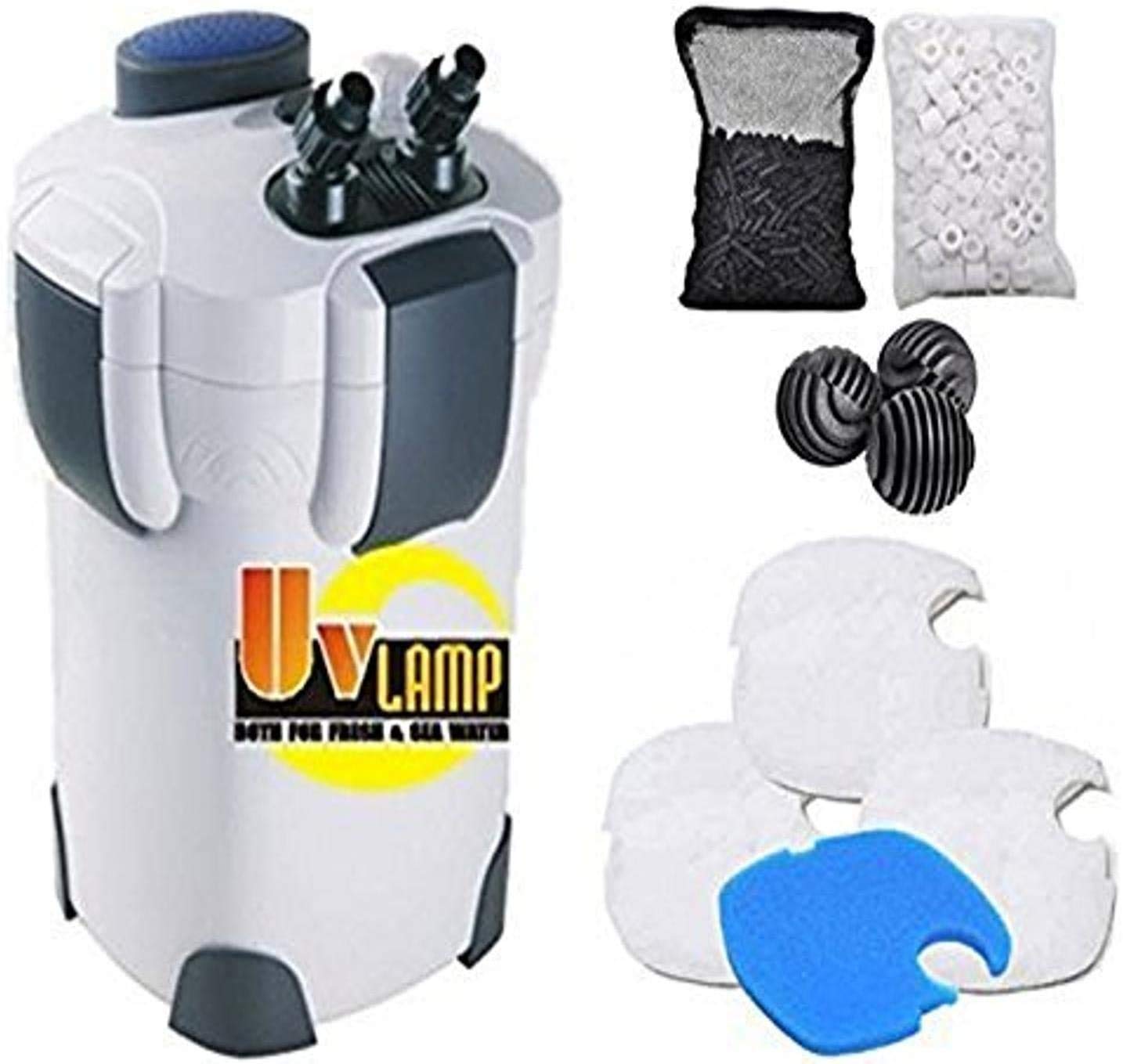
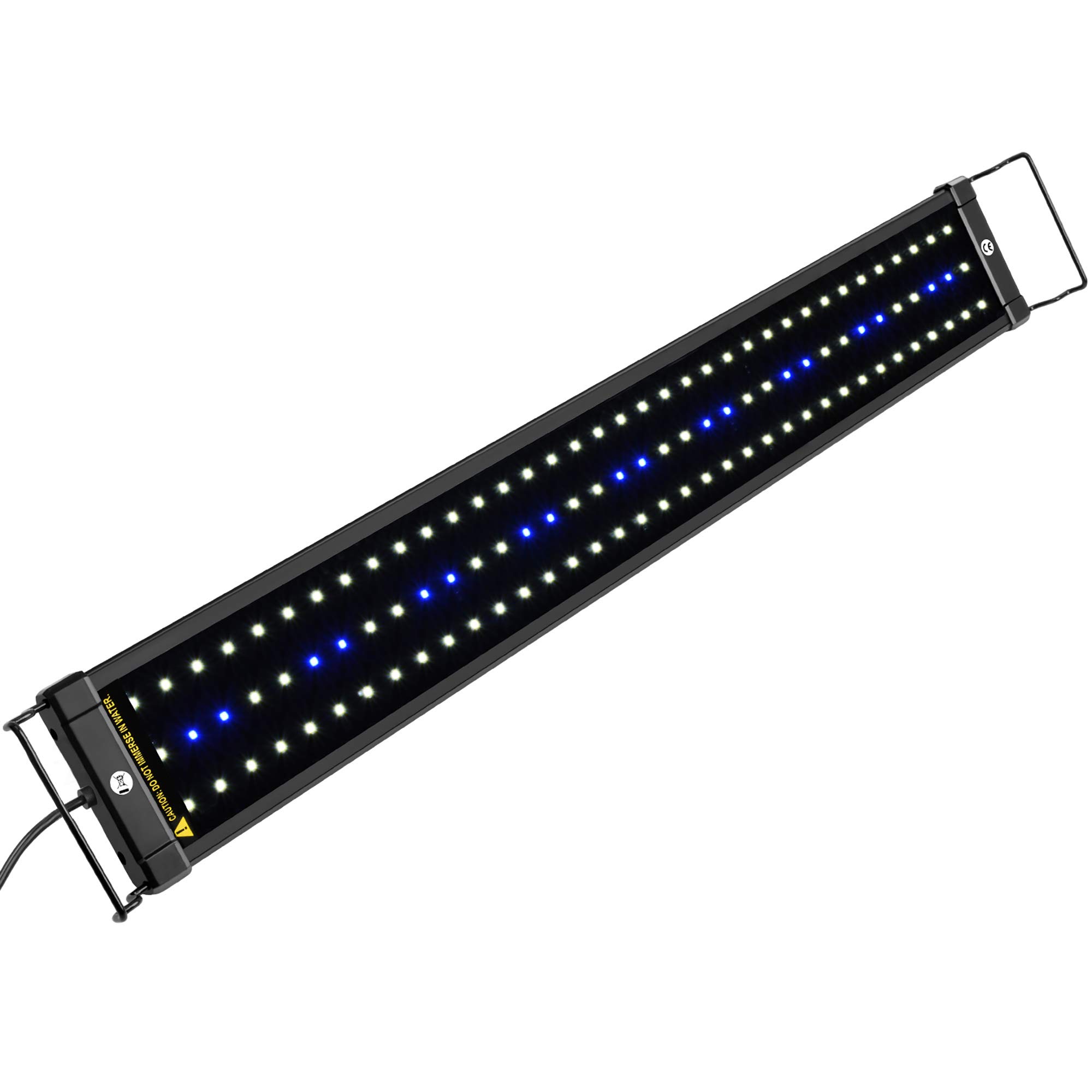
Three things cause the amplification: rigid contact between the pump housing and glass, sympathetic resonance of the glass panel, and reflected sound bouncing off the cabinet interior. Address any one and the noise drops noticeably. Address all three and the pump returns to its rated whisper level. This is the entire reason knowing how to quiet Tetra Whisper air pump vibration glass stand noise matters: the pump itself is fine, the mounting is the problem.

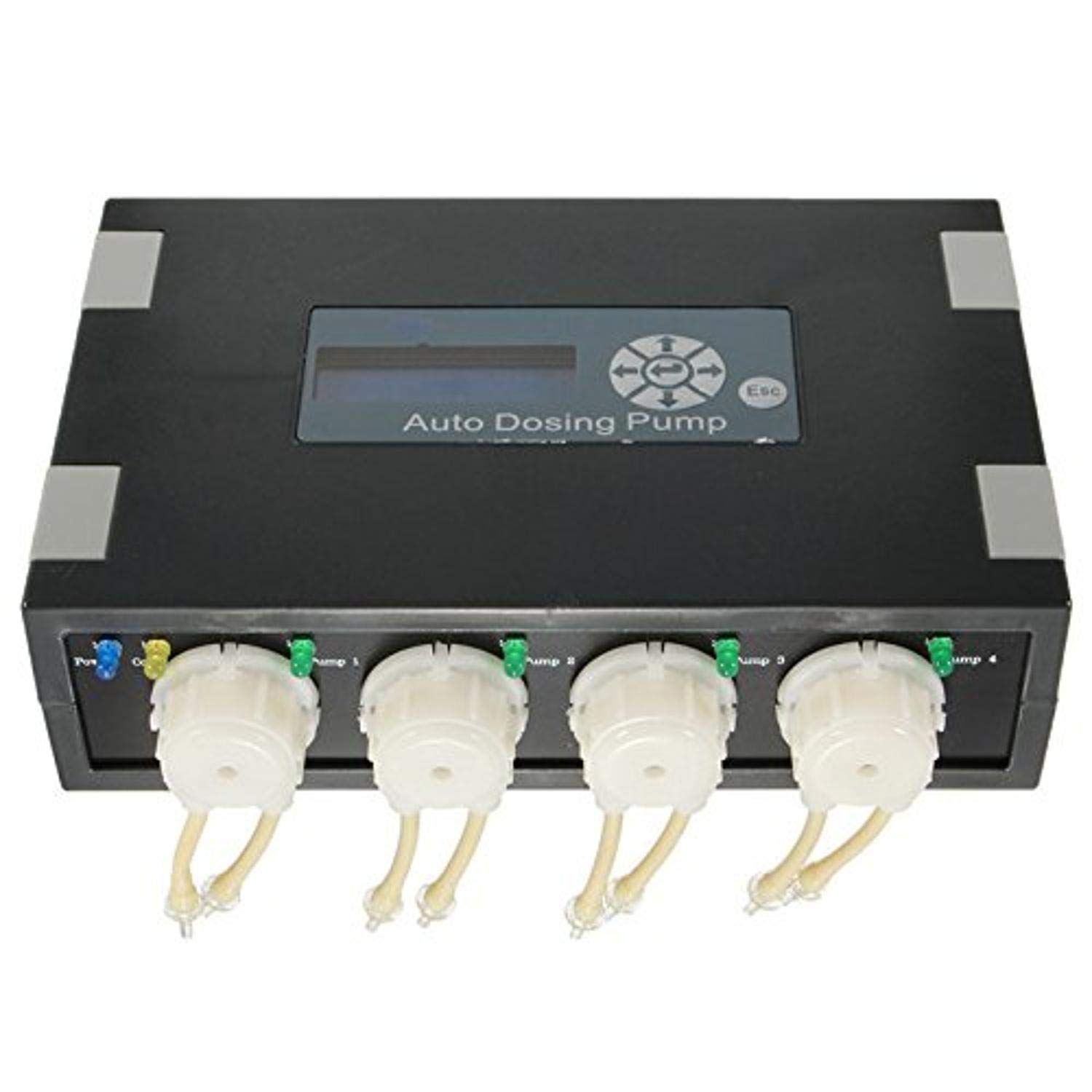
- Model :DP-4, Idea for Dosing CA / MG / AB Water or other liquid
- Each Channel Provides 1 to 9999ml per day,24 timer per day
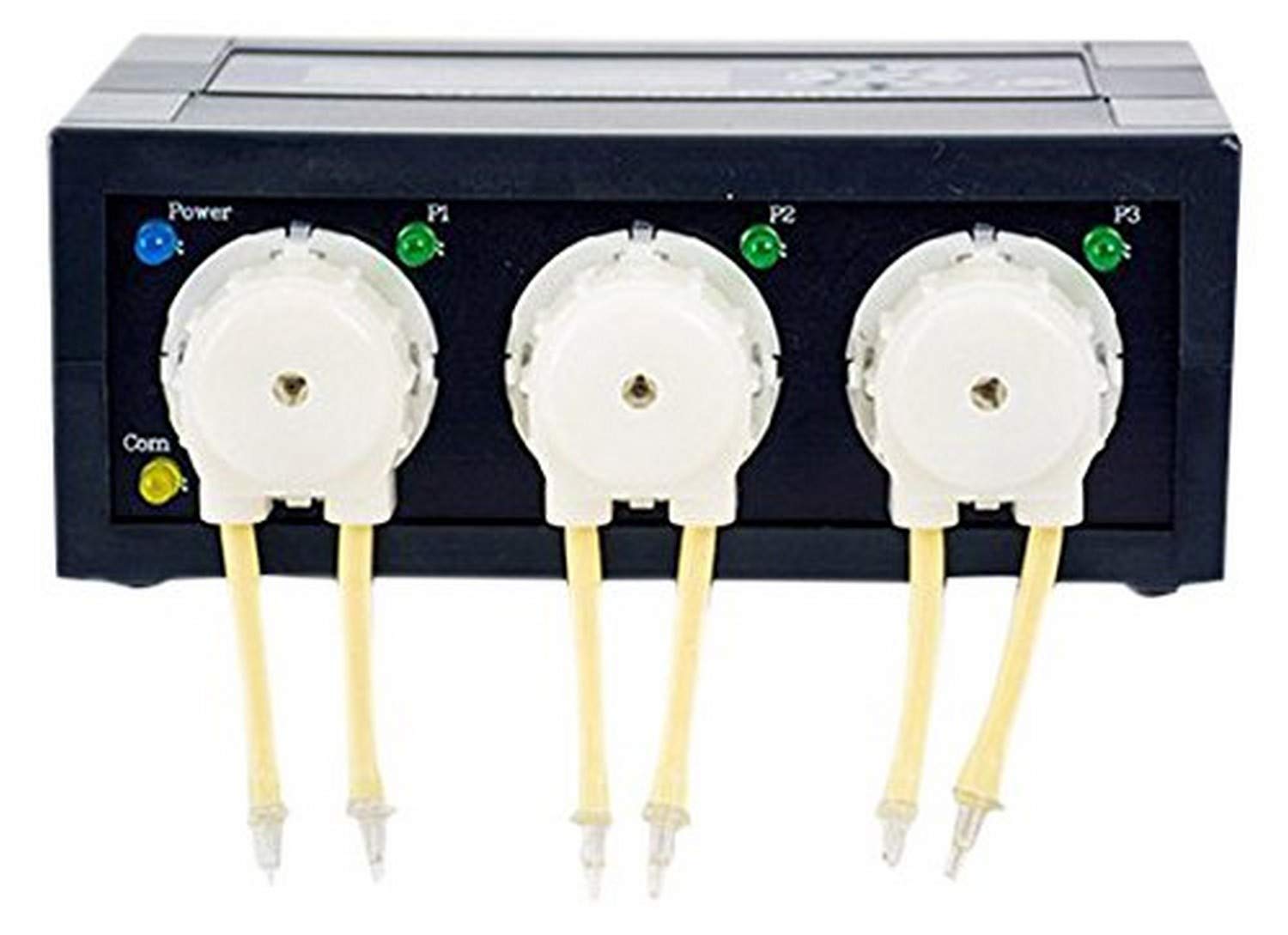
- 3 Channel dosing pump, each channel provides 1 to 9999ml per day
- Allows user to keep their Tank parameters stable, removes the need for mixing supplements daily
Materials That Actually Work for Dampening
Not all foam is equal. Here is a quick comparison of the materials most often recommended for aquarium pump isolation, ranked by how effectively they break the vibration path from pump to glass.
| Material | Vibration Isolation | Humidity Resistance | Best Use |
|---|---|---|---|
| Closed-cell EVA foam (1/2") | Excellent | Excellent | Base layer against glass |
| Open-cell polyurethane foam | Good | Moderate | Top layer touching pump |
| Sorbothane pad | Outstanding | Excellent | Premium permanent install |
| Rubber inner tube strip | Excellent | Excellent | Suspension hanger |
| Folded microfiber towel | Fair | Poor (mildews) | Temporary fix only |
| Cork sheet | Moderate | Good | Decorative stand interior |
Step-by-Step: Quieting the Pump on a Glass Shelf
1. Lift the Pump Off the Glass
Before buying anything, simply pick the pump up and hold it in mid-air while it runs. If the noise drops dramatically, you have confirmed the glass shelf is the resonator. Now you know decoupling will solve it. If the pump is still loud held in your hand, the diaphragm or rubber feet may be worn and you should consider a rebuild kit or replacement (covered later).
2. Add a Layered Foam Pad
Place a 1/2-inch closed-cell EVA foam pad under the pump, then a layer of open-cell polyurethane foam on top of that, then the pump. The closed-cell layer blocks vibration transfer to the glass, while the open-cell layer absorbs high-frequency buzz. A folded microfiber towel works in a pinch, but foam holds up far longer in a humid cabinet.
3. Suspend the Pump From a Hook
This is the single most effective trick. Screw a small hook into the underside of the stand's top shelf or the cabinet wall, then hang the pump using a rubber band, a soft bungee, or a strip of inner-tube rubber threaded through the pump's airline loop. With nothing rigid touching it, the pump can only radiate sound directly into the air — no resonance, no amplification. Most users report a 10–15 dB reduction with this method alone.
4. Use a Check Valve and Slack in the Airline
A taut airline transmits vibration along its length and into the tank rim, where the glass picks it up again. Leave a generous loop of slack tubing between the pump and the tank, and install a check valve near the tank end. The valve also protects the pump from back-siphoning if power fails.
5. Clean or Replace the Diaphragm
If your Whisper is more than 18 months old, the rubber diaphragm has likely stiffened. A stiff diaphragm strikes harder against its housing, producing the rattling buzz that no amount of foam can fully tame. Tetra sells official rebuild kits with diaphragms, gaskets, and air filters; swapping them takes about ten minutes with a Phillips screwdriver.
6. Check the Rubber Feet
The four small rubber feet on the bottom of the pump compress and harden over time. Once they go flat, the housing makes near-direct contact with whatever surface it sits on. Replacement feet are cheap, and adding a fresh set under a foam pad delivers compounding benefit.
Sorbothane: The Premium Pick
If you want a one-and-done solution, a Sorbothane hemisphere pad under each corner of the pump effectively eliminates structure-borne noise. The material is engineered for vibration damping in audio gear and lab equipment. It is more expensive than foam, but it does not compress permanently, so it keeps working for years even in a damp cabinet.
Closed-Cell EVA: The Budget Hero
For most hobbyists, a sheet of half-inch closed-cell EVA foam — the same material used in yoga blocks and packing inserts — cut to a slightly larger footprint than the pump base will solve 80 percent of the noise problem for the cost of a coffee. Stack two layers if you have headroom inside the stand.
When to Replace Instead of Repair
Sometimes a pump is simply done. If you have rebuilt the diaphragm, swapped the feet, isolated the pump on Sorbothane, and you still hear a metallic clatter from inside the housing, the electromagnet's plastic mount has likely cracked. At that point a new pump costs less than your time. Our Tetra Whisper air pump review for 2026 covers the current AP-series lineup, including which models include the newer suspended-magnet assembly that ships quieter from the factory.
If you are running a larger tank (75 gallons or above) and want headroom plus quieter operation under load, our roundup of the best aquarium air pumps for 2026 compares Whisper against linear-piston alternatives that can be wall-mounted away from the glass stand entirely.
Stand Modifications That Help
Add Mass to the Glass Shelf
A thin glass panel resonates more than a thick one. If your stand's interior shelf is removable, swap it for a 3/4-inch MDF panel or simply lay a paving stone on top of the existing shelf. Mass-loading the surface raises its resonant frequency above the pump's 60 Hz drive, breaking the sympathetic coupling.
Line the Cabinet Interior
Stick-on automotive sound deadener (the kind used inside car doors) applied to the inside walls of the cabinet absorbs reflected sound. Two or three 12-inch squares are enough for a typical 40-gallon stand. Keep the material away from heaters and lights, and leave airflow paths open so the pump does not overheat.
Move the Pump Outside the Stand
If aesthetics allow, hang the pump on the wall behind the tank using a small bracket lined with foam. The pump is no longer touching the resonating glass at all, and the airline run is short enough not to cause back-pressure issues. Pair this with a check valve mounted at the tank to prevent water flow-back.
Maintenance Habits That Keep Things Quiet
Quieting the pump once is not a permanent state. Diaphragms age, dust builds up in the air filter, and rubber feet compress. A quick six-month routine keeps the system whisper-quiet:
- Wipe the foam pad clean of dust and salt creep.
- Check the rubber feet for cracks or flattening.
- Replace the air filter (a small sponge inside the intake) when discolored.
- Inspect the airline for kinks that increase back-pressure and pump strain.
- Listen for new buzzing tones — they usually mean the diaphragm is hardening.
If you are running airstones or sponge filters, balancing pump output with the right amount of aeration matters for both noise and oxygenation. Our guide to maintaining optimal aquarium water quality covers how much airflow your stocking level actually needs, which often means you can run the pump at a lower output and even quieter level.
Common Mistakes to Avoid
A few well-meaning fixes actually make things worse:
- Wrapping the pump in a towel. Restricts the cooling airflow vents and shortens motor life. The pump runs hotter, the plastic warps, and the noise gets worse within months.
- Sealing the pump inside a closed box. Same overheating problem, plus the box itself becomes a resonator.
- Using super-soft memory foam. Compresses fully under the pump's weight and stops isolating after a week.
- Gluing the pump down. Creates a rigid mechanical bridge to whatever it is glued to, which is the opposite of decoupling.
- Ignoring the airline. A taut, kinked airline transmits both vibration and pressure pulses back into the tank.
How Much Quieter Can You Get?
With realistic effort — foam pad, fresh diaphragm, slack airline, and a check valve — a Tetra Whisper on a glass stand drops from around 55 dB down to its rated 40-45 dB. With a full suspension mount and Sorbothane pads, you can hit 35 dB at one meter, which is below the noise floor of most living rooms. For comparison, a refrigerator runs at about 45 dB and a quiet conversation around 50 dB. A properly isolated Whisper becomes inaudible from a few feet away.
Frequently Asked Questions
Why does my Tetra Whisper air pump get louder at night?
The pump itself is not changing volume — your room's ambient noise floor is dropping. HVAC systems cycle off, traffic quiets, and the 45 dB hum that disappeared into daytime noise now stands out. The fix is the same: better isolation. Add a foam pad or suspension hanger and the nighttime drone becomes inaudible.
Can I put my Tetra Whisper air pump inside the aquarium stand cabinet?
Yes, as long as the cabinet has ventilation and the pump is on a foam pad, not the bare glass shelf. Closed cabinets trap heat and humidity, which both shorten pump life. Drill a couple of 1-inch ventilation holes high and low in the cabinet, and line the inside walls with sound-deadening material to absorb reflected noise.
Is it bad to leave a Tetra Whisper air pump running 24/7?
No, the pumps are designed for continuous duty and most aquariums need oxygen exchange around the clock. The diaphragm wears at the same rate whether you run it eight hours or twenty-four, so cycling the pump on a timer mostly saves electricity, not lifespan. Plan on a diaphragm rebuild roughly every 18 months under continuous use.
Does a check valve reduce air pump vibration noise?
Indirectly, yes. A check valve breaks the rigid airline path between the pump and the tank rim, which interrupts vibration transmission. It also prevents water from siphoning back into the pump during power outages — a failure that can ruin the diaphragm and turn a quiet pump into a rattling one overnight.
Why is my new Tetra Whisper louder than my old one?
Factory variability in the diaphragm tension and electromagnet alignment is real. If a brand-new pump is noticeably louder than expected, run it for 48 hours to let the diaphragm break in. If it is still loud, the rubber feet may have shipped already compressed or the housing screws may be over-torqued, pinching the diaphragm. Loosen the four case screws a quarter turn each and re-test.
What size Tetra Whisper do I need for my tank?
Tetra rates each model in gallons (AP-150 covers tanks up to 150 gallons, for example), but the real variable is how many airstones and how much depth you are pushing against. Deeper tanks need more pressure, not just more volume. If you are choosing tank size and equipment together, see our guide to choosing the right aquarium size for a stocking-and-equipment cheat sheet.
Will a quieter air pump improve my fish's health?
The fish do not care about the noise — they live in water and the airborne hum does not reach them meaningfully. However, a pump that is rattling because the diaphragm is failing is also pushing less air, which means lower oxygenation and weaker biological filtration in sponge filters. Quieting a stressed pump often means fixing a pump that is also underperforming.
Can I use a vibration-dampening platform from audio gear?
Absolutely. Turntable isolation platforms and speaker spike pads use the same physics as aquarium pump isolation. Sorbothane hemispheres, cork-rubber sandwich pads, and constrained-layer damping mats all work well. They cost more than DIY foam but last longer and look tidier inside a visible glass stand.