As an Amazon Associate this site earns from qualifying purchases.
Learning how to prevent green algae south facing window aquarium setups requires controlling the three drivers of algal blooms: light intensity, nutrient load, and biological balance. A south facing window delivers 6-10 hours of intense, spectrum-rich sunlight daily, which fuels rapid green water and green spot algae growth even in otherwise well-maintained tanks. The fastest fixes are blocking or filtering direct sun with blinds, window film, or repositioning the aquarium a few feet back, reducing feeding to once daily, and adding fast-growing live plants to outcompete algae for nutrients. Combine these steps with consistent water changes and you can keep a sunny tank crystal clear year round.
Why South Facing Windows Trigger Explosive Algae Growth
In the Northern Hemisphere, south facing windows receive the longest daily exposure to direct sunlight, and the angle of incidence delivers a spectrum that is heavy in the blue and red wavelengths that aquatic plants and algae use for photosynthesis. The result is essentially a free, uncontrolled grow light shining into your aquarium for most of the day. While 8 hours of artificial LED light is usually plenty to grow plants and a manageable amount of algae, sunlight is 10 to 100 times more intense than even premium planted-tank fixtures, which means a tank by a sunny window can receive the equivalent of a 14 to 16 hour high-output photoperiod.
Free-floating green algae (often called green water) blooms when single-celled phytoplankton multiply faster than your filter can remove them. Green spot algae crusts the glass and slow-growing plant leaves, while hair algae and string algae appear on driftwood, hardscape, and stem plants. All three forms feed on the same trio of inputs: light, nitrate, and phosphate. Cutting the light supply is by far the most effective lever in a sunny tank because nutrients are hard to reduce to zero without harming fish, but light is something you can physically block.

- Vase-shaped, see-through body to check your butane level at any time
- Large, easy-to-use fuel wheel for convenience
Step 1: Control the Sunlight Reaching the Tank
Before you change anything about feeding, filtration, or stocking, address the root cause. There are five practical interventions, and most aquarists need to combine two or three of them.
Cellular shades or blackout blinds. Top-down cellular shades let you block the harsh midday sun while keeping ambient room light, and they are the single most effective change for a window-side tank. Aim to keep the blinds drawn from roughly 10 a.m. to 4 p.m. during summer months.
UV-blocking window film. Static-cling or adhesive window film cuts 40 to 80 percent of visible light depending on the tint level, and the higher-end ceramic films also reject infrared heat, which prevents the tank from overheating in July and August. Films are reversible if you rent and want a permanent solution that does not require daily attention.
Reposition the aquarium. Moving the tank even 4 to 6 feet away from the window dramatically reduces incident light because intensity drops off with the square of the distance. If the room layout allows, place the tank perpendicular to the window so only the short side receives direct sun, then add a dense plastic background on that panel.
Opaque background on the sun-facing side. A black or blue vinyl background applied to the panel that faces the window blocks roughly 95 percent of the transmitted light. This alone will not solve the problem if the top of the tank is uncovered, but combined with a closed canopy or a covered light fixture, it is highly effective.
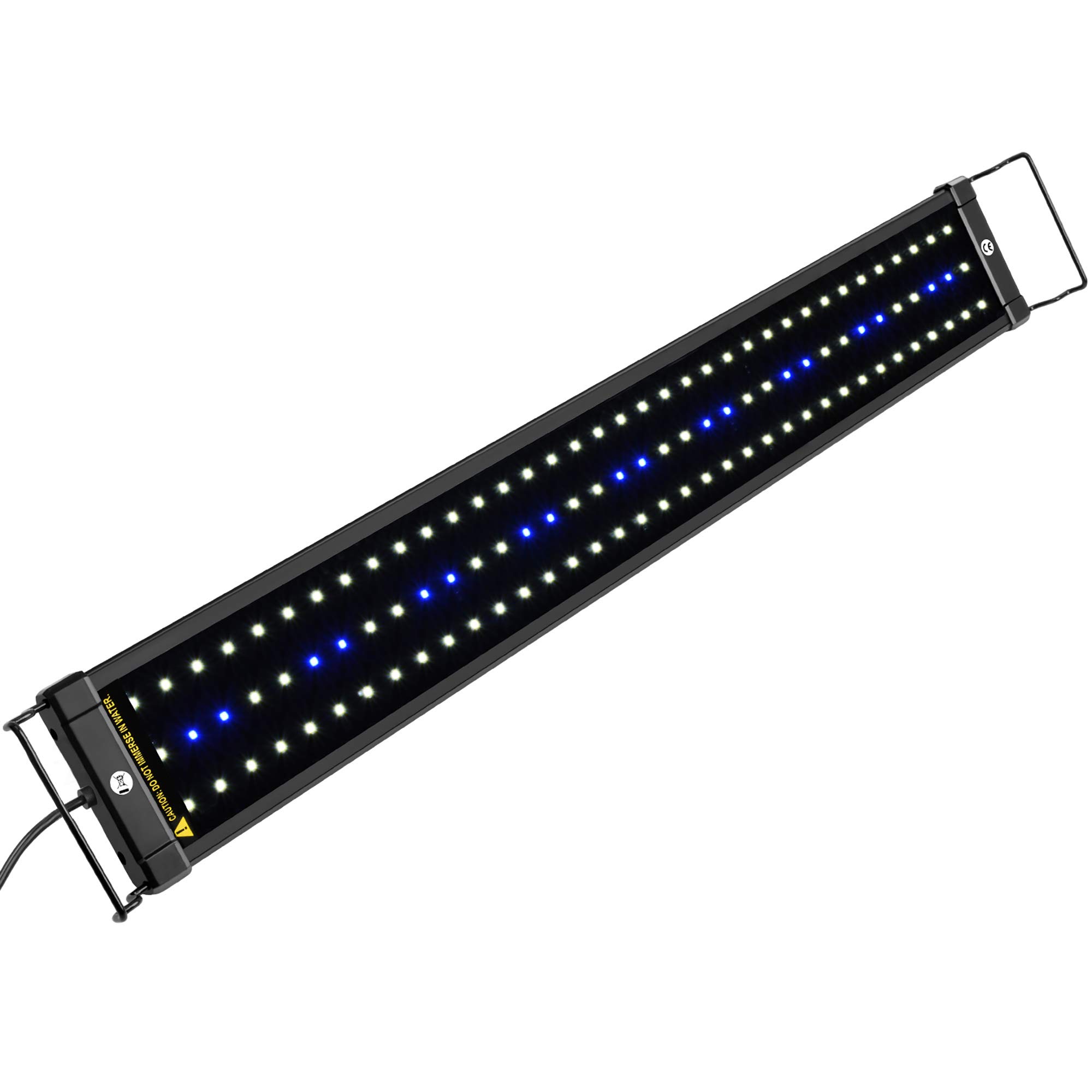
Reduce or eliminate the artificial photoperiod. Many hobbyists forget that the aquarium light is still on a timer running 8 hours per day. In a sunny window, you may be able to turn the aquarium light off entirely during peak sun and only run it for an hour at dawn and an hour at dusk to view the fish. If you keep low-light plants like Java fern, Anubias, and Cryptocoryne, ambient daylight is more than enough.
Step 2: Starve the Algae of Nutrients
Even with the light controlled, dissolved nitrate and phosphate will feed any surviving algae. The goal is not zero nutrients but balance: enough for plants, not enough for blooms.
Feed once a day, sparingly. Most aquarium algae problems trace back to overfeeding. Fish should finish all food within 60 to 90 seconds. Uneaten flakes sink, decompose, and release ammonia that converts to nitrate. Consider switching to a higher-quality pellet so less food produces better fish condition. Our guide to choosing the right fish food walks through protein content, ingredient quality, and feeding portions for community tanks.
Increase the water change schedule. A 25 to 30 percent weekly change is the standard, but in a sunny window tank with a green water problem, bump that to 40 percent twice a week until the bloom clears. Use a gravel vacuum to lift detritus from the substrate, where decomposing organics fuel algae growth from the bottom up.
Watch your phosphate source. Many tap waters contain measurable phosphate from municipal anti-corrosion treatment. If your tap tests above 0.5 ppm phosphate, an RO/DI system or a phosphate-removing filter media like GFO will cut your algae problem in half. For broader guidance on dialing in your tank chemistry, see our water quality maintenance guide.
Avoid fertilizer overdose. Planted tank keepers often dose Estimative Index or all-in-one fertilizers calculated for an artificial-light photoperiod. When sunlight is doing most of the work, your dosing schedule should drop by 50 to 75 percent or algae will steal the surplus.
Step 3: Outcompete Algae with Live Plants
Healthy plants and algae compete for the same nutrients, and plants almost always win when their growing conditions are met. A sunny window is actually an ideal setup for a heavily planted tank if you choose the right species.
Floating plants are your best friend. Amazon frogbit, water lettuce, red root floaters, and dwarf water lettuce sit on the surface and absorb nutrients aggressively while shading everything below them. A surface coverage of 40 to 60 percent essentially turns your south-facing window into a controlled high-light environment for the floaters and a low-light environment for the rooted plants and substrate. This single change resolves the majority of sunlit-tank algae complaints.
Fast-growing stem plants. Hornwort, water sprite, Hygrophila, and Limnophila grow several inches per week under strong light and consume nitrate and phosphate at an impressive rate. Plant them thickly at first, then thin as they take off.
Rooted carpeting and midground plants. Under the floating canopy, slower species like Cryptocoryne, Anubias, Java fern, and dwarf sagittaria will thrive without burning. For lighting principles that apply whether you use sun, LED, or both, our aquarium lighting guide covers PAR, spectrum, and photoperiod basics.
Step 4: Build a Cleanup Crew That Targets Algae
Biological control is the final layer. Algae eaters cannot fix an overlit tank on their own, but they keep nuisance growth grazed down so what algae does form never becomes visible.
Nerite snails. The undisputed champions of glass and hardscape cleaning. A single zebra or horned nerite will keep a 20-gallon tank free of green spot algae. They do not reproduce in freshwater, so populations stay manageable.
Amano shrimp. A group of 5 to 10 Amano shrimp will clear hair algae and string algae from plants and decor faster than any chemical treatment. They are peaceful with most community fish but vulnerable to large cichlids and predatory fish.
Otocinclus catfish. Shoaling at 6 or more, these tiny suckermouth catfish graze film algae and diatoms all day. They need a mature tank and gentle tankmates.
Siamese algae eaters. One of the few fish that will actually eat black beard algae and hair algae. They grow to about 5 inches and need a tank of 30 gallons or more.
Avoid common plecos in a small to medium tank, since they grow to 18 inches and produce more waste than they consume in algae. A bristlenose pleco is a far better choice for tanks under 75 gallons.
Step 5: Filtration, UV, and Maintenance
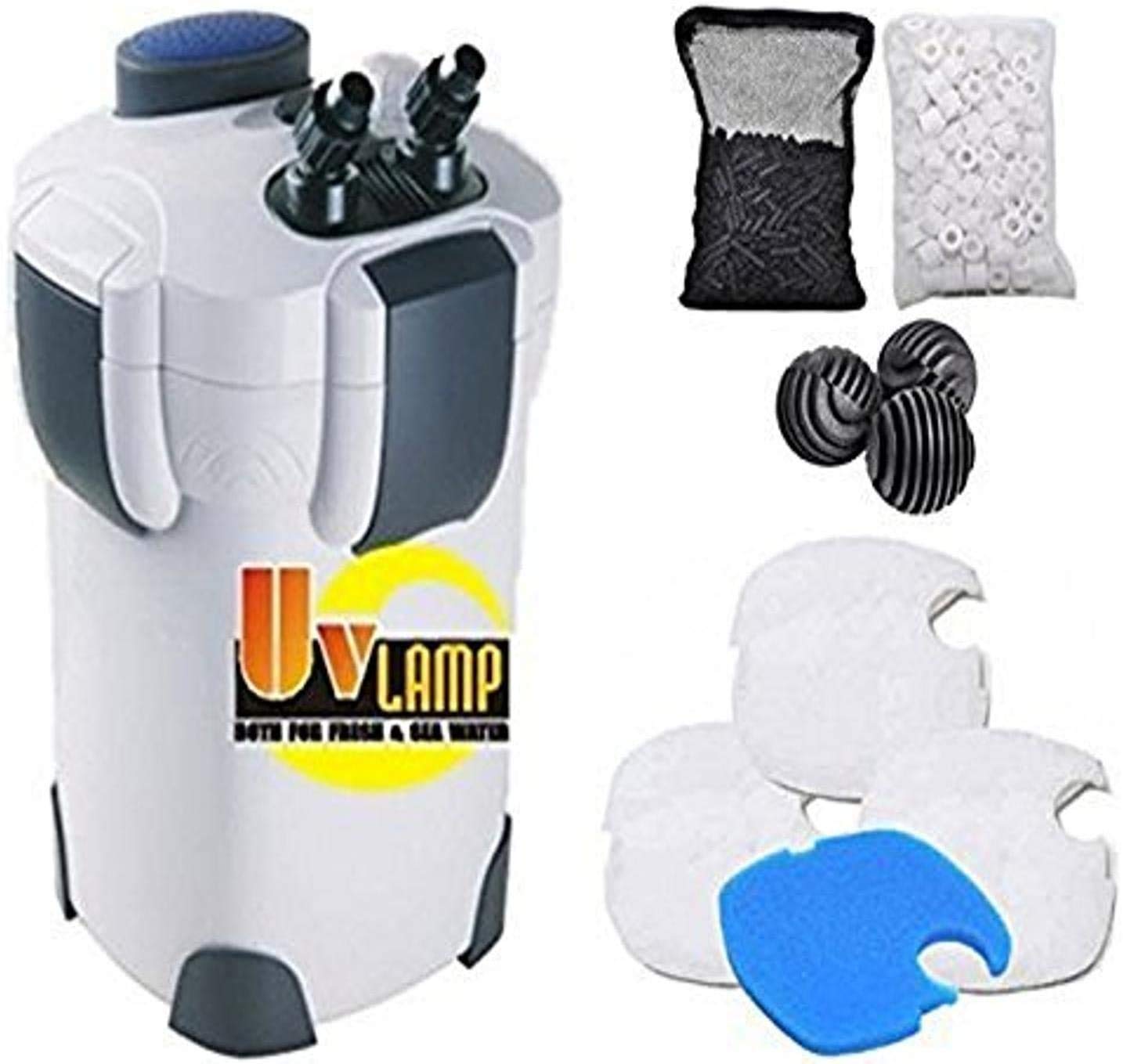
For persistent green water, a UV sterilizer is the nuclear option. UV-C light kills free-floating algae cells as water passes through the unit, and a properly sized sterilizer will clear pea-soup green water in 48 to 72 hours. Run the UV continuously during the bloom, then on a timer for 4 to 6 hours a day during peak sun once the tank clears. UV does not affect surface, glass, or plant algae, only the suspended single-celled forms responsible for green water.
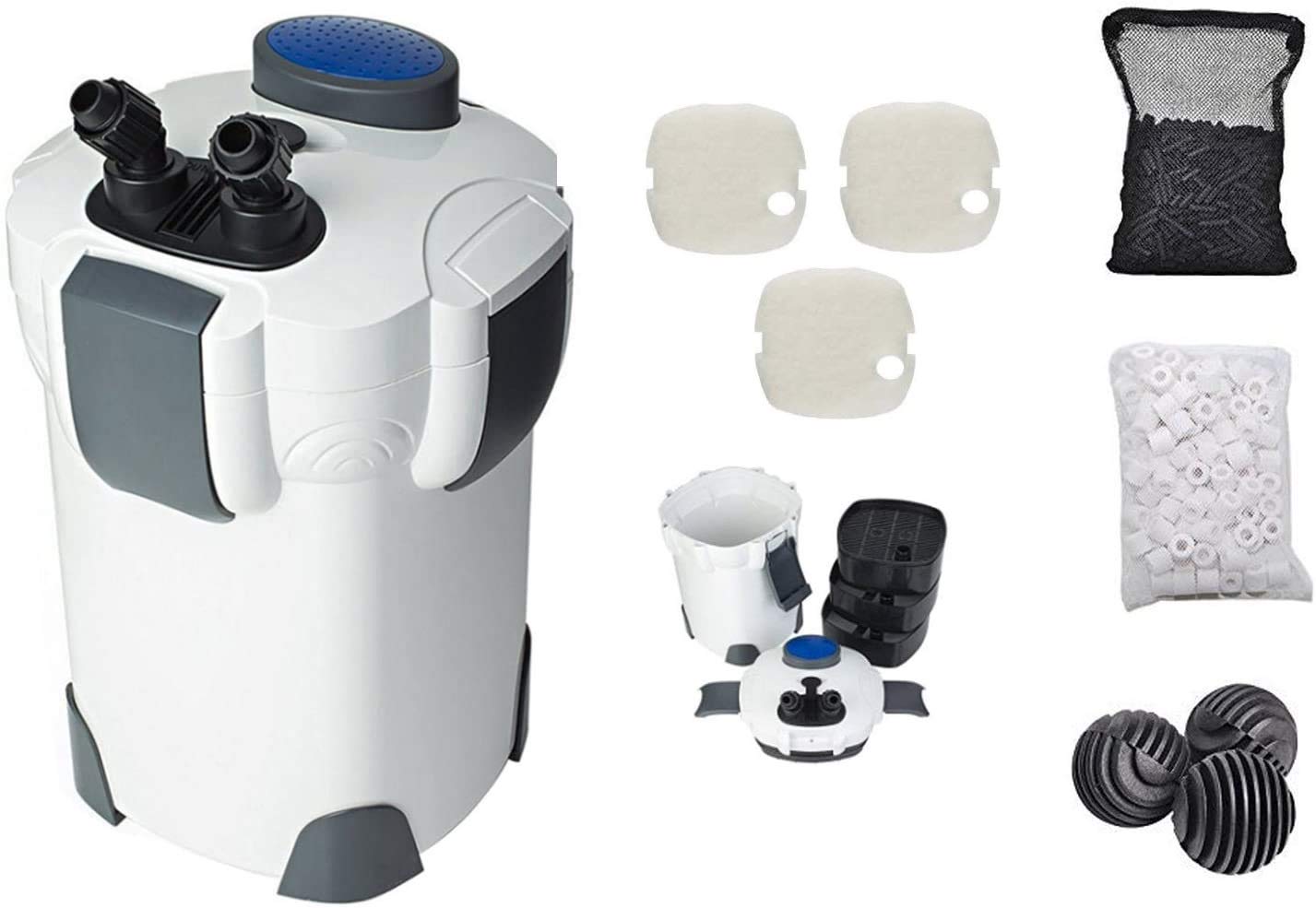
Pair the sterilizer with strong mechanical filtration. A canister or hang-on-back filter rated for at least 5 to 7 times the tank volume per hour will trap fine particulates before algae cells can multiply. Rinse the mechanical media weekly in old tank water, since clogged filter floss becomes a nutrient reservoir.
Finally, glass cleaning belongs on the weekly checklist. A magnetic algae scraper or a credit-card-style razor blade for thicker green spot algae takes 60 seconds per week and prevents the problem from ever becoming visible. Treat the inside of the cover glass too, since condensation drips concentrated nutrients back into the water.
Heat Management in a Sunny Tank
Direct sunlight does not just grow algae, it also raises water temperature, often by 4 to 8 degrees Fahrenheit on a summer afternoon. Sudden temperature swings stress fish and accelerate the nitrogen cycle, which itself feeds algae. Keep a digital thermometer on the sun-facing side of the tank and check it during peak sun. If the tank exceeds 82 F, run a small clip-on fan across the surface to evaporative-cool the water by 2 to 4 degrees, and consider a chiller for tanks above 75 gallons in hot climates. Make sure your heater is appropriately matched so it does not cycle erratically during cool nights; our aquarium heater guide covers sizing and placement.
A Realistic 30-Day Recovery Plan
If you are already battling a green window tank, follow this sequence. Week one: install blinds or window film, drop the artificial photoperiod to 4 hours, perform a 50 percent water change, and add 40 percent floating plant coverage. Week two: cut feeding by half, do two 30 percent water changes, and add Amano shrimp or nerite snails. Week three: install or rent a UV sterilizer if green water remains. Week four: evaluate plant growth, resume normal feeding if fish look healthy, and settle into a weekly 25 percent water change rhythm. By day 30 the tank should be clear, with algae confined to manageable spots on the glass that the cleanup crew handles.
Frequently Asked Questions
How much sunlight is too much for a freshwater aquarium?
Any amount of direct sun for more than 1 to 2 hours per day will eventually trigger algae problems unless you compensate with heavy plant load and minimal feeding. Indirect ambient daylight is fine and even beneficial. The issue is direct beams hitting the glass, which deliver photosynthetically active radiation well above what aquatic plants can use, so the excess feeds algae.
Will closing the curtains every day really stop green water in a window tank?
In most cases yes, provided you also reduce feeding and avoid running the aquarium light during the closed-curtain hours. Cellular or blackout shades closed from late morning to late afternoon block the peak intensity that drives blooms, and the remaining low-angle morning and evening light is mild enough that a healthy plant load will absorb the nutrients before algae do.
Do I still need an aquarium light if my tank sits in a south facing window?
Probably not for plant growth, but yes for fish viewing and consistency. Run a low-output LED for 1 to 2 hours at dawn and 1 to 2 hours at dusk so you can enjoy the tank during low natural-light periods. Skip the artificial light entirely during peak sun. This mimics the day-night transition fish respond to without doubling up on photosynthetic energy.
What is the fastest way to clear an existing green water bloom in a sunny tank?
A UV sterilizer sized for your tank volume will clear green water within 2 to 4 days. Without UV, a 3-day blackout (covering the tank completely with towels and turning off all lights) combined with a 50 percent water change before and after also works, though it stresses live plants. Address the light source before reintroducing illumination or the bloom returns within a week.
Are floating plants enough on their own to prevent algae in a sunny aquarium?
Floating plants at 50 to 70 percent surface coverage solve a remarkable percentage of sunlit-tank algae problems by simultaneously shading the water column and absorbing nutrients. They are not a complete solution if you also overfeed or skip water changes, but combined with disciplined maintenance they often eliminate the need for UV sterilizers or blackout periods entirely.
Does UV-blocking window film help with aquarium algae?
It helps significantly. While UV light itself is not the main driver of algae photosynthesis (visible PAR is), high-quality ceramic or reflective films reduce total visible light transmission by 50 to 80 percent and reject infrared heat. The combined effect is dimmer, cooler conditions at the tank, which slows algae growth dramatically while still allowing enough ambient light that the room feels normal.
Should I worry about temperature swings hurting my fish in a window tank?
Yes. Daily swings of more than 3 to 4 degrees Fahrenheit stress most tropical species and weaken their immune systems. Combine window film, a clip-on cooling fan, and a properly sized heater with a tight setpoint to keep the temperature within a 2 degree band. In summer, you may need a chiller for tanks 75 gallons or larger if room temperatures climb above 80 F.
Putting how to prevent green algae south facing window aquarium strategy into practice comes down to discipline more than gear. Block the sun, dial back the food, plant heavily, stock smart algae eaters, and stay on top of weekly maintenance. Within a month you will have a sunny showcase tank that the whole room enjoys without the green film that scares so many hobbyists away from window placement.