As an Amazon Associate this site earns from qualifying purchases.
To prevent led condensation uncovered betta tank problems, you need to do three things at once: lift the fixture off the rim, increase airflow above the water surface, and shrink the temperature gap between the warm water and the cooler LED housing. Condensation forms when humid air from your heated betta tank contacts the chilled underside of the light, then beads into droplets that drip back down, corrode electronics, fog the lens, and dim PAR output. The good news: every fix below uses inexpensive, easily sourced gear, and most installs take under ten minutes with no rewiring or drilling.
Why condensation forms on LED fixtures over open-top betta tanks
Betta tanks are warm by design. A healthy betta wants water in the 78–82°F range, and a small 3–10 gallon footprint loses heat fast, so the heater runs often. That warm water constantly evaporates, sending humid air straight up into the air column directly under your LED fixture. Aluminum heat sinks, glass lenses, and plastic housings sit cooler than the water because they are exposed to room air and shed heat. When humid air contacts that cooler surface, it condenses — the same physics as a cold soda can sweating on a summer day.
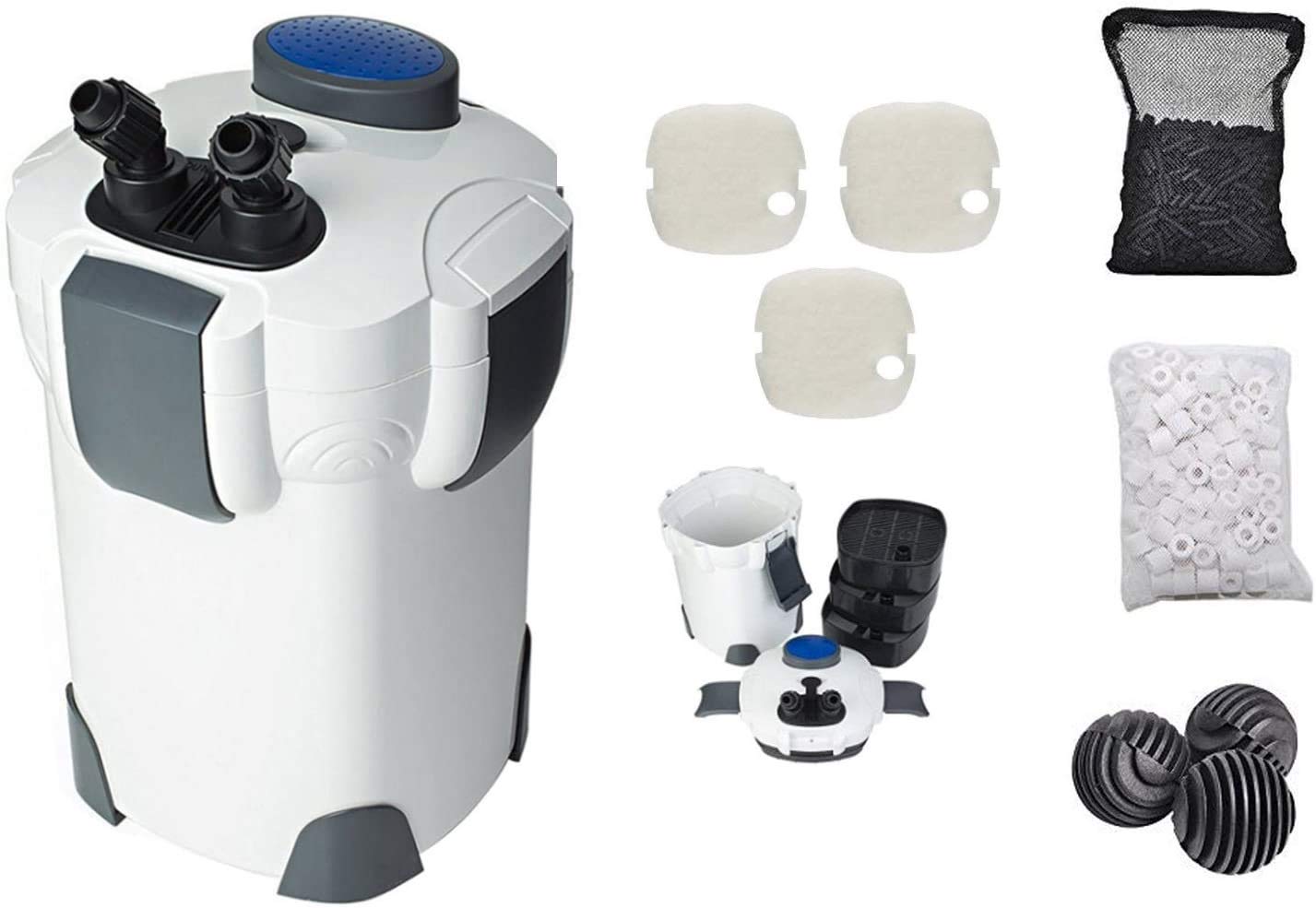
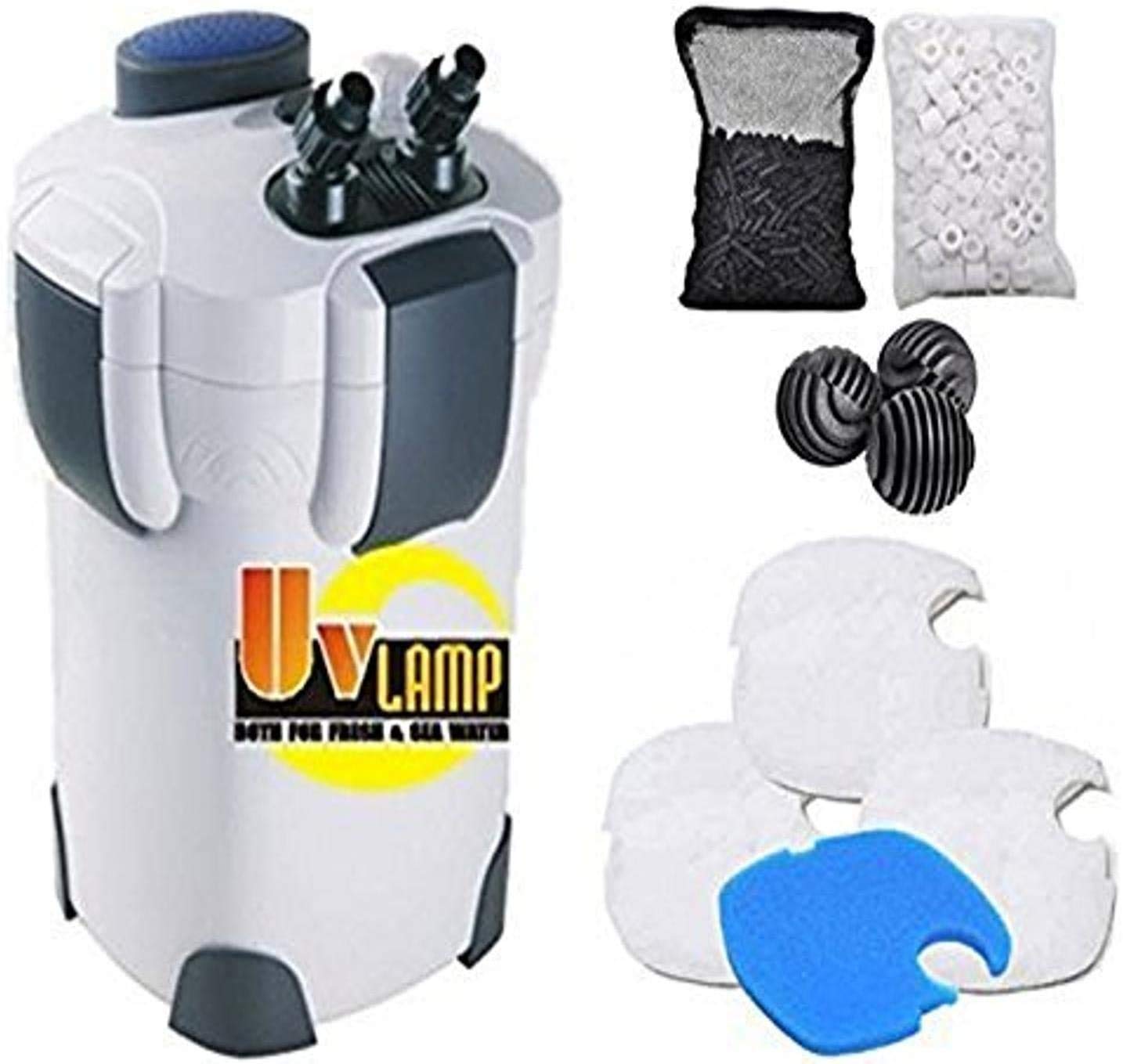
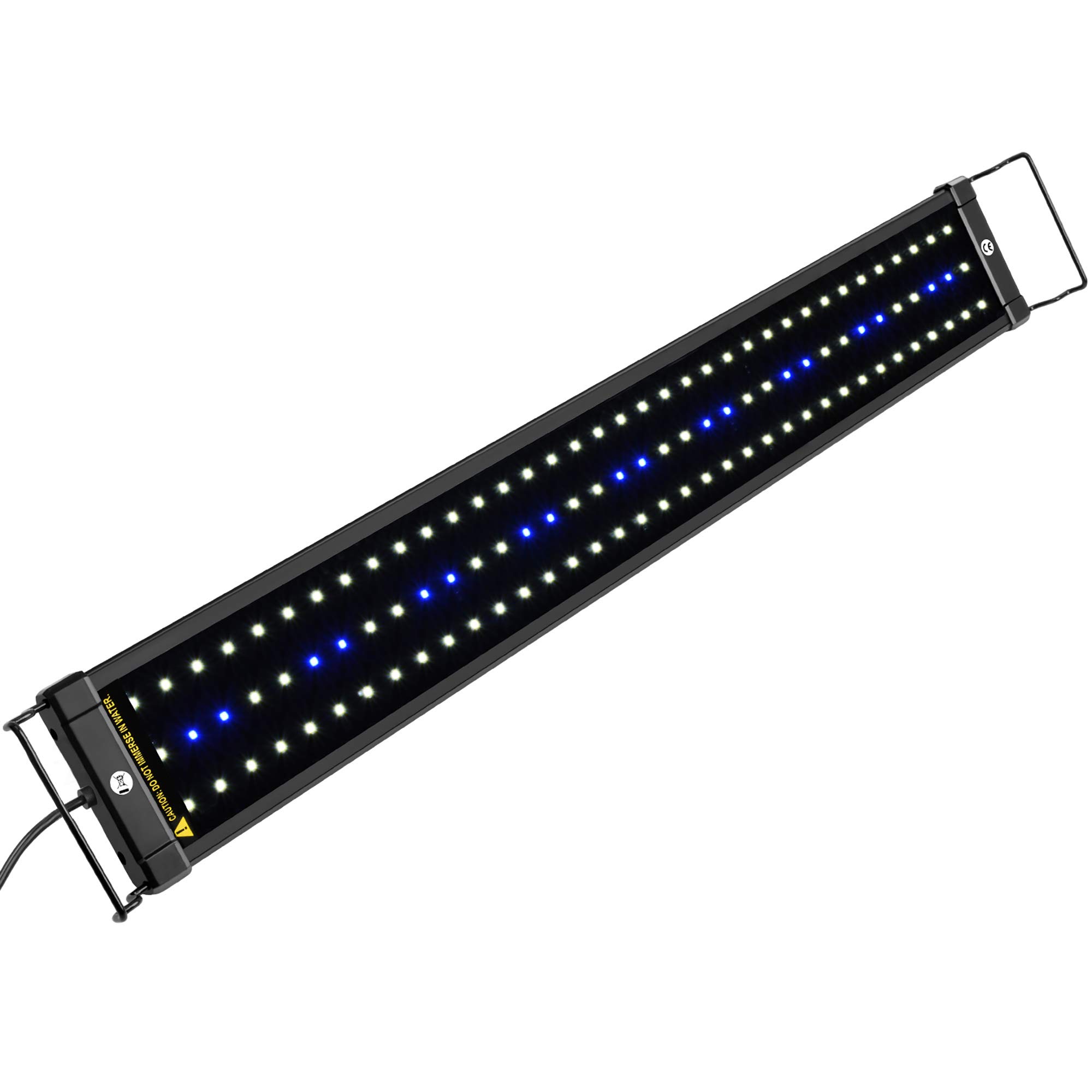
Three factors make the problem worse on uncovered tanks: a low fixture mounting height (the rim-clip arms most LEDs ship with put the housing only an inch above the waterline), a high tank-to-room temperature differential (common in winter or air-conditioned rooms), and stagnant air above the tank (no surface agitation or room circulation). Address those three variables and the condensation stops.

- Orlushy aquarium heaters come in six different sizes, suitable for small fish tanks, aquariums and turtle tanks. Please choose the right wattage aquarium heater according to our
- Stable Heating: Stair shape heating that red light is on and heater starts to intermittently heat the water to the set temp, saving energy and electricity. When green light is on

- 【Rapid Heating and Two Temperature Control System】50W aquarium heater is sutable for 5-10 gallon fish tank and made of the most stable nickel-chromium heating wire, which can
- 【Intelligent Water Sensor and Over Temperature Protection】This fish tank heater has a unique intelligent temperature and water sensor system, the heater will automatically stop
Comparison: which fix matches which problem
| Solution | Best for | Approx. cost | Install time | Downside |
|---|---|---|---|---|
| Taller mounting arms / hanging kit | Stock LED sitting too close to the water | $15–$40 | 5–10 min | May need re-aiming to keep PAR on plants |
| Custom mesh lid | Jumping bettas, humid rooms, mineral spotting | $25–$60 | 0 min (drop in) | Slight PAR loss, must cut around cords |
| USB clip-on fan | Warm rooms, summer condensation, mild surface scum | $10–$25 | 2 min | Increases evaporation; refill water more often |
| Silicone lens skirt | Reef-grade LEDs adapted to freshwater | $5–$15 | 5 min | Model-specific availability |
| Room dehumidifier | Basements, multi-tank rooms, chronic fogging | $40–$120 | 0 min | Uses outlet space and adds background noise |
Fast fixes for led condensation uncovered betta tank setups
Before you buy anything, try these in order. Many betta keepers solve the issue with steps one and two alone.
- Raise the fixture. Add 2–4 inches of clearance between the LED and the waterline. Stack two rim-clip arms, swap to taller legs, or use a hanging kit. Doubling the air gap roughly halves the local humidity at the lens.
- Increase surface agitation. A gentle sponge filter or a slightly angled HOB outflow breaks the boundary layer of warm humid air. Bettas dislike strong current, so aim for a rippling surface, not a churning one.
- Add a mesh top. A fitted mesh screen lets gases exchange and humidity escape laterally instead of pooling under the LED, while still keeping your betta from jumping. Mesh blocks far less PAR than glass — usually 5–10%.
- Improve room airflow. A small oscillating fan across the room cuts the humidity gradient above the tank. You do not need to blow air directly at the fixture.
- Wipe the lens daily for a week. A microfiber cloth on the underside removes mineral spotting before it etches the lens permanently. This buys time while you implement the long-term fix.
Buyer’s guide: the gear that prevents LED condensation
If the quick fixes are not enough, the following accessory categories solve the root cause. Because betta tanks vary so much — cube, bowfront, 5-gallon kit, 10-gallon long — we describe the category rather than a one-size-fits-all SKU. Match the dimensions of your specific tank before ordering.
Adjustable LED mounting arms and rim extenders
Most stock LED arms are fixed at 1–2 inches of lift. Aftermarket telescoping arms, gooseneck stands, and aluminum “tank tamer” legs raise the fixture 3–8 inches and often pivot, which is the single most effective change for condensation. Look for arms rated for your fixture’s weight (LED bars longer than 24 inches need braced supports) and check the rim-thickness range — rimless cubes need clamp-style mounts with rubber jaws to avoid cracking glass. If your betta tank is on an open shelf, a hanging kit with adjustable cord locks lets you suspend the light from the underside of the shelf above, which gives unlimited lift without touching the rim at all.
Custom-cut mesh aquarium lids
A black aluminum-frame mesh lid with stainless screen is the gold standard for betta tanks. It prevents jumping (bettas are champion jumpers), blocks cats and curious fingers, and — critically — lets humid air vent sideways rather than pooling directly against the LED lens. Most makers will cut to size from your interior dimensions; provide the inside opening of the rim, not the outside, and specify cutouts for filter intakes and heater cords. Mesh tops with 1.5–2 mm openings pass nearly all PAR while trapping fish; finer screens dim noticeably and are unnecessary for a single betta.
USB clip-on cooling fans
A small 80–120 mm USB fan clipped to the rim and pointed across (not down into) the water serves two purposes: it cools the water surface a degree or two via evaporation, and it sweeps humid air out from under the fixture before it can condense. For a quiet bedroom betta tank, look for a fan rated under 25 dB and run it on the lower speed setting. If evaporative cooling pulls your water below 76°F, pair the fan with a slightly higher heater set point so the system stays stable. Do not mount the fan directly under the LED — you want the airflow horizontal across the surface, parallel to the lens.
Silicone lens skirts and gaskets
For premium reef-style LEDs adapted to freshwater betta use, optional silicone splash skirts seal the edge between the lens and the housing so that any condensate runs off the perimeter instead of pooling on the driver board. They cost very little and dramatically extend fixture life in humid setups. Confirm that your fixture model has a compatible skirt accessory before buying generic ones; the wrong size can trap heat against the heat sink and shorten LED diode life.
Small room dehumidifiers
If the room itself sits above 60% relative humidity — common in basements, bathrooms, and laundry rooms — no amount of tank-side gear will fully stop condensation. A compact 1.5–2 liter dehumidifier running near (but not on top of) the tank pulls the room down to 45–55% RH and eliminates fogging on every LED in the room, not just the betta’s. This is the right fix for fishkeepers running multiple tanks in one space.
Long-term setup choices that quietly prevent condensation
If you are still in the planning phase, a few upfront decisions remove the condensation problem before it starts. Choose a fixture with a slim profile and integrated mounting arms rated for at least 3 inches of lift; thin fixtures shed heat better and stay closer to room temperature than chunky reef pendants. Pick an LED with an IP65 or higher splash rating — these are sealed against moisture and tolerate condensation that does form. Avoid running the heater hotter than your betta needs; 78°F gives a healthy betta everything it wants and produces noticeably less evaporation than 82°F.
Tank shape matters too. Tall, narrow cubes trap humid air in a column directly under the light. Long, shallow tanks (like a 10-gallon long) spread the evaporating surface and ventilate more naturally. If you have flexibility, the shallower footprint wins for any uncovered build.
For a deeper dive into picking the right fixture for a planted betta tank, see our aquarium lighting guide and our roundup of the best LED lights for aquariums in 2026. If you are still finalizing the rest of the build, our aquarium heater guidance covers how to size the heater so evaporation stays moderate, which keeps led condensation uncovered betta tank issues from coming back next winter.
Frequently Asked Questions
Is condensation on an LED light dangerous for my betta?
Mild condensation that drips back into the tank is not toxic on its own, but it can carry copper or other metals leached from corroded LED contacts, and any electrical fault near water creates a shock risk to you and to the fish. If you see green, blue, or rust-colored staining on the LED housing or arms, unplug the fixture immediately and replace it. Healthy condensation prevention is as much about fixture longevity and your safety as it is about the betta.
Will a glass lid stop condensation better than mesh?
No — a glass lid actually traps humidity in the air gap between the water and the LED, accelerating condensation on the underside of both the lid and the fixture. Glass also drops PAR by 10–20% and accumulates calcium spots that are hard to remove. Mesh vents humidity sideways while still blocking jumpers, which is why most experienced betta keepers prefer it for uncovered or semi-covered builds.
How high should I mount my LED above a betta tank?
Three to six inches of clearance is the sweet spot for most low-to-medium-output LEDs over a 5–10 gallon betta tank. That gap is enough to dissipate humid air laterally, keeps the lens dry, and still delivers strong light for low-tech plants like anubias and java fern. If you keep a heavily planted high-light setup, you may need to compensate with a brighter fixture or a longer photoperiod.
Can I just point a fan at the LED to dry it out?
Pointing a fan directly at the underside of the fixture works in a pinch but creates two new problems: it accelerates evaporation (you will top off water more often) and it can blow dust into the heat sink fins, where it bakes onto the LEDs. Aim the fan horizontally across the water surface instead. You will get the same condensation relief with less mess.
Does my heater setting affect LED condensation?
Yes, significantly. Every 2°F you raise the heater roughly doubles the rate of evaporation under the fixture. Bettas are comfortable from 76–82°F, so dialing back from 82 to 78 is a free condensation fix. Make the change gradually — about 1°F per day — to avoid stressing the fish.
Why does condensation only appear in winter?
Indoor heating dries out the air in the room but raises the temperature differential between your warm tank water and the LED housing. The cooler the fixture surface, the more aggressively water vapor condenses on it. Running a small room humidifier elsewhere in the house and a dehumidifier in the fish room sounds contradictory, but it is exactly the right combination for many winter setups.
Will a sponge filter make condensation worse?
A sponge filter increases surface agitation, which slightly increases evaporation but also dramatically improves air exchange under the LED. Net effect: less condensation, not more, because the humid boundary layer never gets a chance to stagnate against the lens. Sponge filters are also the best filtration choice for bettas, who hate strong currents from HOBs.
The bottom line
You do not need a sealed lid or a fancy fixture to solve condensation on an open-top betta tank — you need clearance, airflow, and a modest humidity gradient. Start with taller mounting arms, add a mesh lid, then layer in a clip fan or dehumidifier only if the room itself is humid. With those changes in place, an uncovered betta tank can run for years with a crystal-clear LED lens and zero corrosion on the housing.
For full transparency on how we test gear and earn from qualifying purchases, see our affiliate disclosure.