As an Amazon Associate this site earns from qualifying purchases.
To cycle a 20 gallon shrimp tank with Seachem Stability, set up your tank with substrate, dechlorinated water, and a sponge or matured filter, then dose 1 capful (5 mL) daily for 7 days while adding a small ammonia source like pure ammonia (2 ppm) or a tiny pinch of fish food. Stability seeds the biofilter with a synergistic blend of heterotrophic and autotrophic bacteria, so once ammonia and nitrite both read zero and you detect nitrate, the tank is cycled and shrimp-safe. Knowing exactly how to cycle 20 gallon shrimp tank with Seachem Stability means balancing patience, daily dosing, and stable parameters—shrimp are far more sensitive to ammonia spikes than fish, so a true zero is non-negotiable.
This guide walks through the full 14-day cycling timeline, water parameters that matter for neocaridina and caridina shrimp, the ammonia source debate, and what to do if your cycle stalls. Whether you are setting up a planted Walstad-style tank or a bare-bottom breeder, the protocol below has been refined for shrimp-only systems where bioload is low but stability requirements are extreme.
Why Shrimp Tanks Need a Different Cycling Approach
Fish tanks can sometimes get away with a sloppy cycle—hardy fish like zebra danios tolerate trace ammonia. Shrimp cannot. Even 0.25 ppm ammonia or nitrite will cause molting failures, sterility, and adult die-offs in neocaridina (cherry, blue dream, yellow) and especially caridina (crystal red, taiwan bee) shrimp. This is why learning how to cycle 20 gallon shrimp tank with Seachem Stability properly matters more than for a community fish setup.
A 20-gallon long is actually the sweet spot for a shrimp colony: it provides enough water volume to buffer parameter swings, surface area for biofilm grazing, and room for 50-200 shrimp at maturity. The larger water column also makes the cycle more forgiving once established, but it means you need more bacteria to colonize all that filter media and substrate.
Water Parameters: Targets Before You Add Shrimp
Cycling is only half the battle. Before drip-acclimating your first shrimp, confirm these targets:
| Parameter | Neocaridina (Cherry/Blue Dream) | Caridina (Crystal Red/Taiwan Bee) |
|---|---|---|
| Temperature | 72-76°F | 68-72°F |
| pH | 6.8-7.8 | 5.8-6.8 |
| GH | 6-12 dGH | 4-6 dGH |
| KH | 3-10 dKH | 0-2 dKH |
| TDS | 150-300 ppm | 100-160 ppm |
| Ammonia / Nitrite | 0 ppm | 0 ppm |
| Nitrate | <20 ppm | <10 ppm |
What Makes Seachem Stability Different
Stability contains a blend of aerobic, anaerobic, and facultative bacteria—unlike competitors that rely solely on nitrifying species. The advantage for shrimp keepers is twofold: the bacteria are non-sulfur fixing (so no rotten-egg smell), and they are shelf-stable without refrigeration. Seachem's formula is also non-pathogenic, meaning there is no risk of introducing fish or shrimp diseases when seeding a new tank.
Stability does not eliminate the cycle—it accelerates it. Expect 7-14 days rather than the 4-6 weeks a fishless cycle without a bacterial supplement would take. The bottle does not replace good husbandry; it simply seeds the colony so ammonia and nitrite peaks are shorter and lower.
Equipment Checklist Before You Start
Before opening that Stability bottle, gather the following:
- 20-gallon tank (long format preferred for shrimp—more footprint)
- Sponge filter or hang-on-back filter rated for 20-40 gallons (sponge is shrimplet-safe)
- Air pump and check valve for the sponge filter
- Heater set to 72-76°F for neocaridina, 68-72°F for caridina
- Substrate—inert sand/gravel for neocaridina, buffering active substrate (Fluval Stratum, ADA Amazonia, Brightwell Shrimpi) for caridina
- Dechlorinator like Seachem Prime
- Liquid test kit (API Master Test Kit is the standard—strips are not accurate enough for shrimp work)
- Ammonia source: bottled pure ammonium chloride or a small piece of fish food
- TDS meter and GH/KH test kit
- Seachem Stability (250 mL handles a 20-gallon cycle with plenty leftover)
Day-by-Day Cycling Protocol
Here is the exact how to cycle 20 gallon shrimp tank with Seachem Stability schedule I recommend. Follow it sequentially and test daily from day 4 onward.
Day 0: Setup
Rinse substrate (skip rinsing for active substrates like Fluval Stratum—they crumble), fill with dechlorinated water, install filter and heater, and start running everything. If using active substrate, expect a 1-2 week ammonia leach from the soil itself. Test water temperature is stable at your target before dosing anything.
Day 1: First Stability Dose
Shake the bottle vigorously. Add 1 capful (5 mL) per 10 gallons—so 2 capfuls (10 mL) for a 20-gallon tank on day one only. The label calls for a double dose on day one to jumpstart colonization. Add your ammonia source: either 4 drops of Dr. Tim's Ammonium Chloride to reach 2 ppm, or a small pinch (1/8 teaspoon) of crushed fish flakes.
Days 2-7: Daily Maintenance Dose
Dose 1 capful (5 mL) of Stability per 10 gallons daily. For a 20-gallon tank, that is 2 capfuls daily. Maintain ammonia at 2 ppm by re-dosing as it drops. Test ammonia, nitrite, and nitrate every other day starting day 4. You should see nitrite begin to rise around day 5-6.
Days 8-14: Monitoring and Drop
Continue dosing Stability daily through day 7 (the bottle says 7 days is the minimum protocol). After day 7, watch your test kit. You are looking for: ammonia 0 ppm within 24 hours of dosing, nitrite 0 ppm, and nitrate climbing (typically 5-20 ppm). Once you hit those numbers consistently for 3 days in a row, the cycle is complete.
Day 14-21: Stabilization Before Shrimp
Even after the cycle reads complete, wait another week before adding shrimp. This stabilization period lets biofilm develop on surfaces—shrimp graze biofilm constantly, and a brand-new tank without algae and microfauna will stress them. Add Indian almond leaves, alder cones, or a piece of cholla wood during this period to encourage microbial diversity.
If you are keeping caridina, you almost certainly need RO/DI water remineralized with Salty Shrimp GH+ during cycling. Tap water rarely hits the soft, acidic profile caridina demand. Neocaridina are far more forgiving and most municipal tap water works fine after dechlorination.
Choosing an Ammonia Source for the Cycle
The cleanest method is pure ammonium chloride solution. Dr. Tim's Ammonium Chloride or Fritz Fishless Fuel are both widely available and give you precise dosing. Two drops per 10 gallons typically yields ~2 ppm, which is the target for a shrimp cycle. Higher concentrations (4 ppm) work for fish tanks but can sometimes stall nitrite-oxidizing bacteria—keep ammonia at 2 ppm or below for shrimp setups.
The food-decay method (dropping a pinch of fish flakes every 2-3 days) is cheaper but messier. It introduces phosphates and organics that can fuel diatom and green algae blooms during cycling. For a shrimp tank where you want clean substrate to start, pure ammonia is the better choice.
Avoid the "ghost feeding" method on a brand-new shrimpless tank—there is nothing to consume the leftovers, and they just rot. Save ghost feeding for once shrimp are in.
Common Cycling Mistakes That Kill Shrimp
I see these mistakes constantly in shrimp keeping forums. Avoid them:
- Not waiting after the cycle reads zero. Stability accelerates the cycle, but the bacterial colony is still thin. Adding shrimp on day 8 because the test reads zero will crash the tank.
- Using carbon during cycling. Activated carbon can absorb some ammonia, masking your readings. Skip it during the cycle.
- Doing water changes during the cycle. Do not change water during the 7-14 day cycling window unless ammonia exceeds 4 ppm. You will only delay things.
- Adding shrimp without a drip acclimation. Shrimp are osmotically sensitive. Drip acclimate over 2-3 hours minimum.
- Skipping the biofilm wait. A bare tank with sterile glass and substrate will starve adult shrimp—they need biofilm to graze.
Speeding Things Up Further: Seeded Media
If you have access to a friend's established tank, ask for a piece of their filter sponge or some used substrate. Combined with Stability dosing, this can reduce cycling time to 3-5 days. Just make sure the donor tank is disease-free and not running any copper-based medications (which kill shrimp at trace levels).
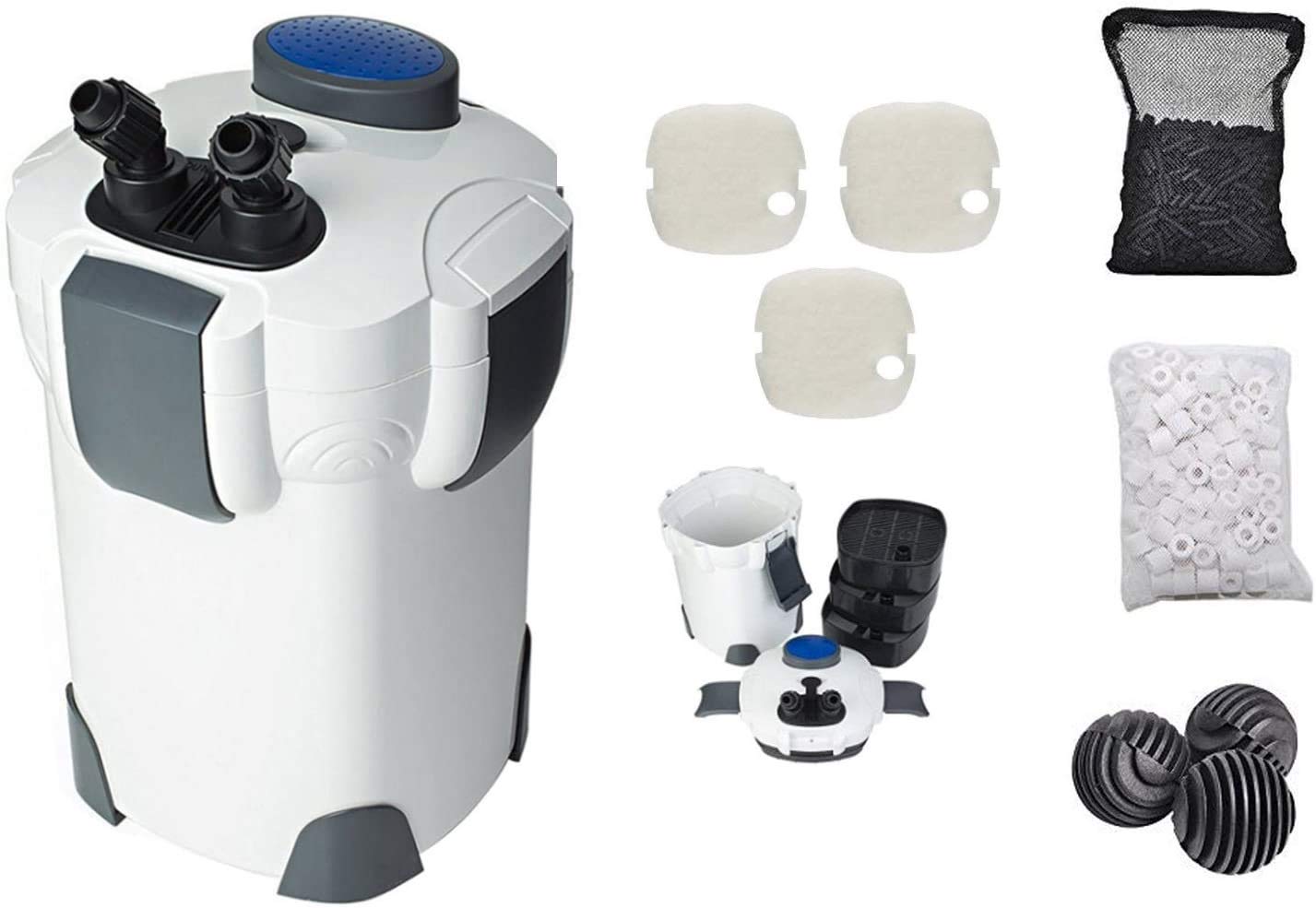
For more on filter media selection and biofiltration choices for shrimp tanks, our aquarium filtration tips guide covers the tradeoffs between sponge, HOB, and canister filters in detail.
Plants Accelerate and Stabilize the Cycle
Fast-growing stem plants and floaters (Hornwort, Frogbit, Salvinia, Water Wisteria) consume ammonia directly, reducing the load on bacteria. Adding plants on day 1 of your cycle is one of the best decisions you can make for a shrimp tank. Java moss is essentially mandatory for shrimplet survival—the babies hide and feed on infusoria within the moss.
If you are still deciding on lighting for your planted shrimp tank, our aquarium lighting guide walks through PAR requirements for low-light, shrimp-safe plants.
What If My Cycle Stalls?
Stalled cycles usually present as ammonia dropping but nitrite stuck at 2-5 ppm for over a week. Causes and fixes:
- pH below 6.5: nitrifying bacteria slow dramatically. Buffer up with a small amount of crushed coral or aragonite (neocaridina tanks only).
- Temperature below 70°F: bump heater to 78°F during cycling, drop back after.
- No oxygen: increase aeration—nitrifiers are aerobic.
- Ammonia too high (over 5 ppm): do a 50% water change and restart dosing at 2 ppm.
For ongoing water quality maintenance once your shrimp are in, our aquarium water care guide covers test schedules, water change cadence, and remineralization.
Heater Selection Matters for Shrimp Cycling
Temperature stability during cycling is critical—a faulty heater that swings 5°F overnight will stall the cycle and later kill shrimp. For a 20-gallon shrimp tank, look for a 50W heater with adjustable thermostat and external controller capability. Our aquarium heater guidance covers shockproof and inline options that work well for sensitive invertebrate tanks.
Frequently Asked Questions
How long does it take to cycle a 20 gallon shrimp tank with Seachem Stability?
Most shrimp keepers see a complete cycle in 7-14 days using daily Stability dosing combined with a 2 ppm ammonia source. Add another 7 days of stabilization before introducing shrimp to allow biofilm to develop. If you seed with media from an established tank, you can shorten the active cycle to 3-5 days.
Can I add shrimp during the cycle if I use Seachem Stability?
No. Despite marketing claims that Stability allows immediate fish addition, shrimp are too sensitive. Any detectable ammonia or nitrite—even 0.25 ppm—will damage gills, prevent molting, and cause mortality. Wait until ammonia and nitrite both read zero for at least 3 consecutive days, then wait another week.
How much Seachem Stability do I dose for a 20 gallon shrimp tank?
Dose 2 capfuls (10 mL) on day one as a double-strength loading dose, then 1 capful (5 mL) per 10 gallons daily for 7 days—so 2 capfuls daily for a 20-gallon tank. After the initial 7-day protocol, dose 1 capful weekly or after water changes for maintenance.
Do I need to use pure ammonia or will fish food work for cycling a shrimp tank?
Pure ammonium chloride (Dr. Tim's or Fritz Fishless Fuel) is cleaner and more precise. It avoids the phosphate and organic spike that fish food causes, which can trigger diatom blooms on fresh substrate. For a shrimp tank where you want a clean slate, pure ammonia at 2 ppm is the better choice.
Why is my nitrite stuck high during the cycle?
Nitrite plateaus are the most common cycling complaint. Causes include low pH (under 6.5), low temperature (under 70°F), insufficient oxygen, or ammonia dosed too high (over 4 ppm) inhibiting nitrobacter. Fix the underlying issue and the nitrite will process within 3-5 days. Do not panic and water change unless ammonia or nitrite exceed 5 ppm.
Can I cycle a shrimp tank with just plants and no Stability?
Yes, this is called a silent cycle or Walstad cycle. Heavily plant the tank from day one with fast-growing stems and floaters, and the plants absorb ammonia directly. You can often add shrimp within 2-3 weeks. The downside is reduced bacterial biofilter robustness—if you later add fish or many more shrimp, you may see a mini-cycle.
Does Seachem Stability expire or need refrigeration?
Stability is shelf-stable and does not require refrigeration—a major advantage over competitors like Tetra SafeStart. Unopened bottles last 2-3 years. Once opened, use within a year for best efficacy. Always shake vigorously before dosing because the bacteria settle.
Should I do water changes during the cycle?
No, unless ammonia exceeds 4-5 ppm. Water changes during cycling dilute the ammonia food source bacteria need to multiply, prolonging the process. Once cycled and shrimp are in, switch to weekly 10-15% water changes with temperature-matched, remineralized water.