As an Amazon Associate this site earns from qualifying purchases.
For a 90 gallon mixed reef growing SPS frags on a tight wallet, the best wavemaker 90 gallon mixed reef sps budget setup needs to deliver 30x to 50x total turnover (roughly 2,700 to 4,500 GPH of combined flow), produce broad random or gyre-style currents rather than a narrow jet, and stay under about $200 without sacrificing controllability. In practical terms, that means either a single high-output controllable powerhead in the 3,000-4,000 GPH range or a pair of smaller 1,500-2,000 GPH pumps placed on opposite ends of the tank for collision flow. Skip the cheapest fixed-speed pumps: SPS suffer in linear, unchanging flow, and the dead spots that form behind rockwork breed cyanobacteria and starve coral tissue of nutrients.
Why flow matters more for SPS than for any other coral
Small polyp stony corals such as Acropora, Montipora, Stylophora, and Seriatopora evolved on shallow reef flats and crests where surge and chop are relentless. That motion strips the boundary layer of stagnant water clinging to each polyp, allowing efficient gas exchange, calcium uptake, and waste removal. Without enough turbulent, randomized flow, SPS frags pale, lose tissue at the base (a condition reefers call STN, or slow tissue necrosis), and eventually drop polyps. LPS and softies tolerate weaker, gentler flow, which is why a mixed reef has to compromise: enough velocity at the top of the rockwork for SPS, with calmer pockets near the sand bed and lower ledges for hammers, frogspawn, zoas, and mushrooms.
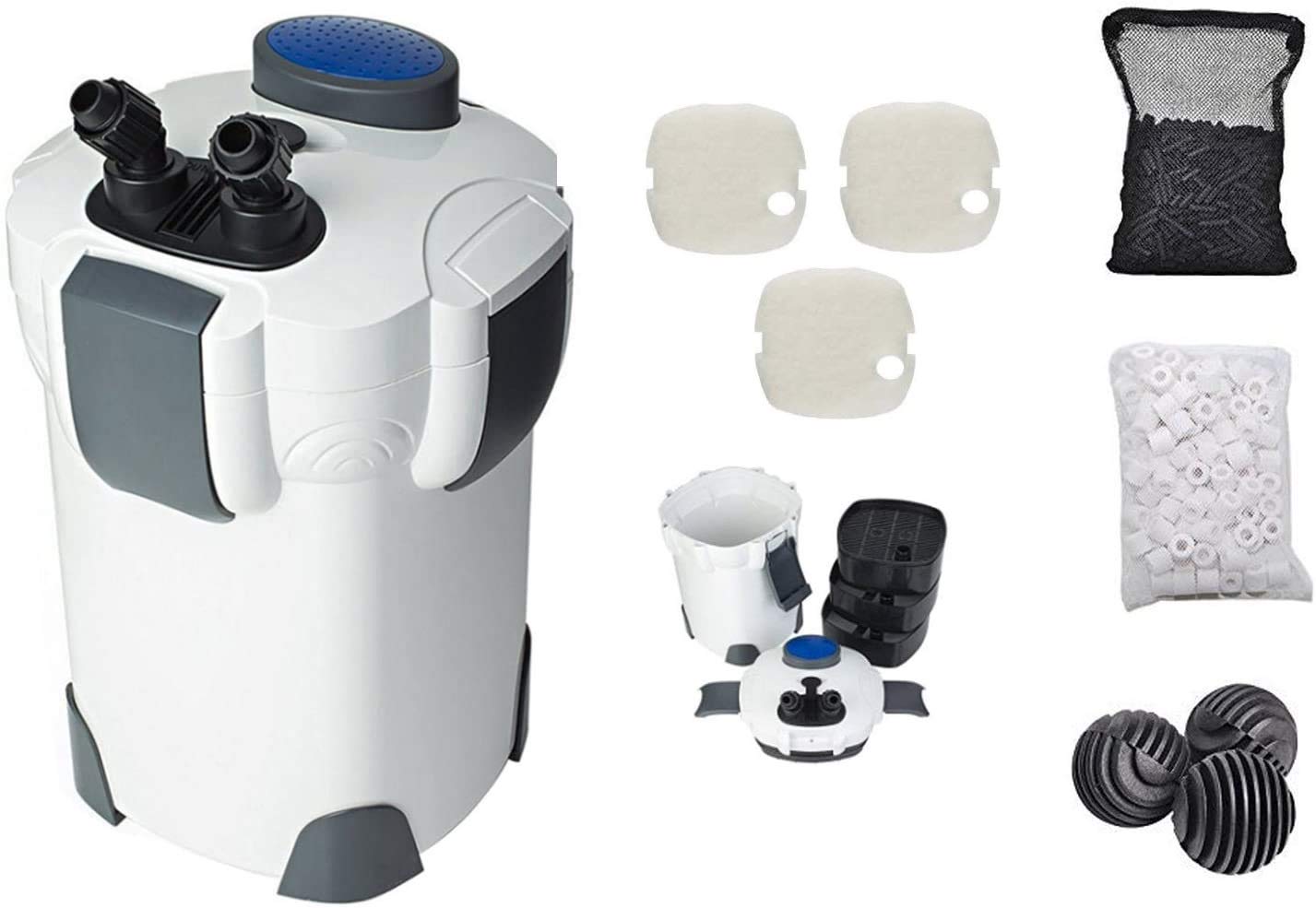
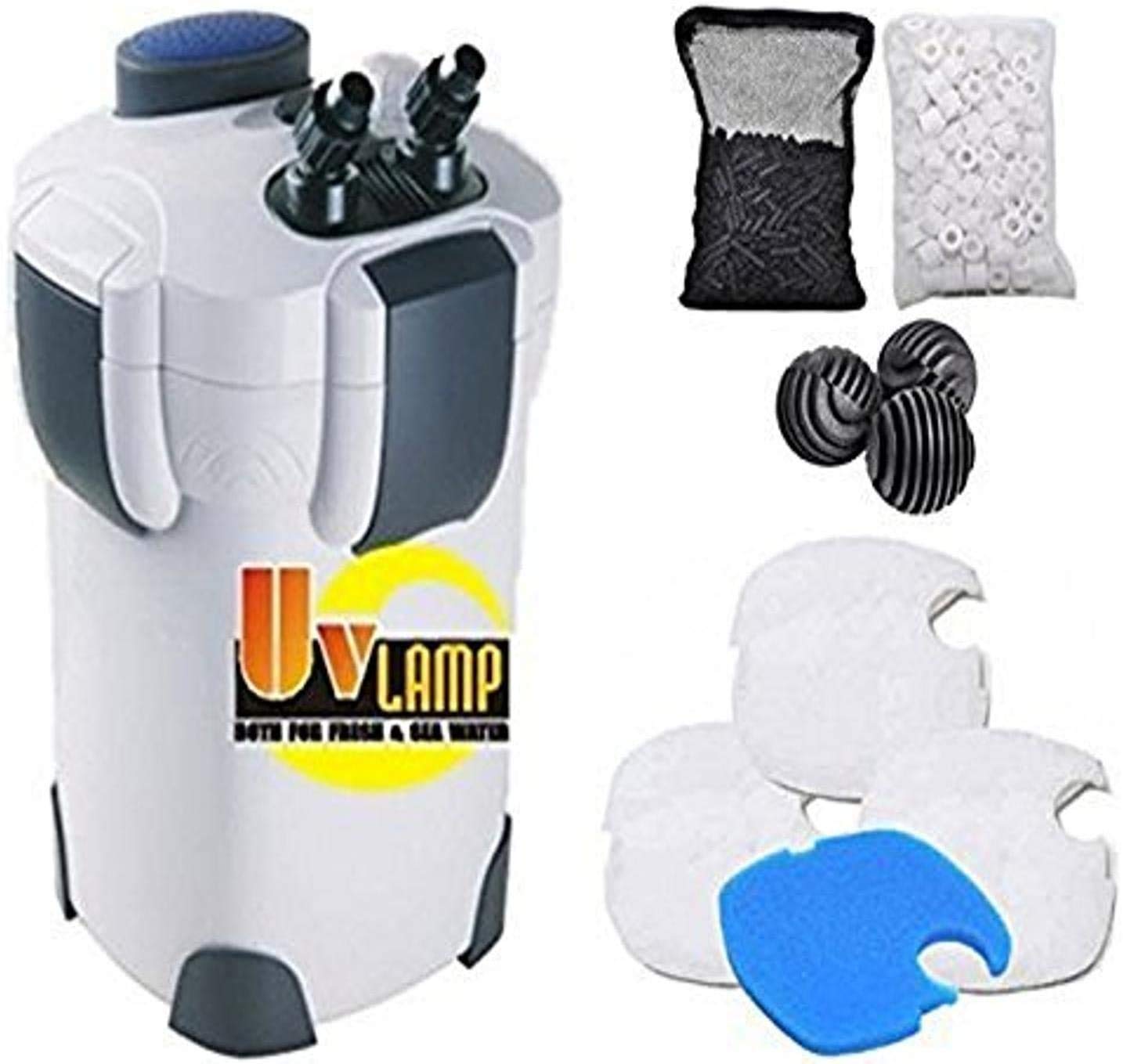
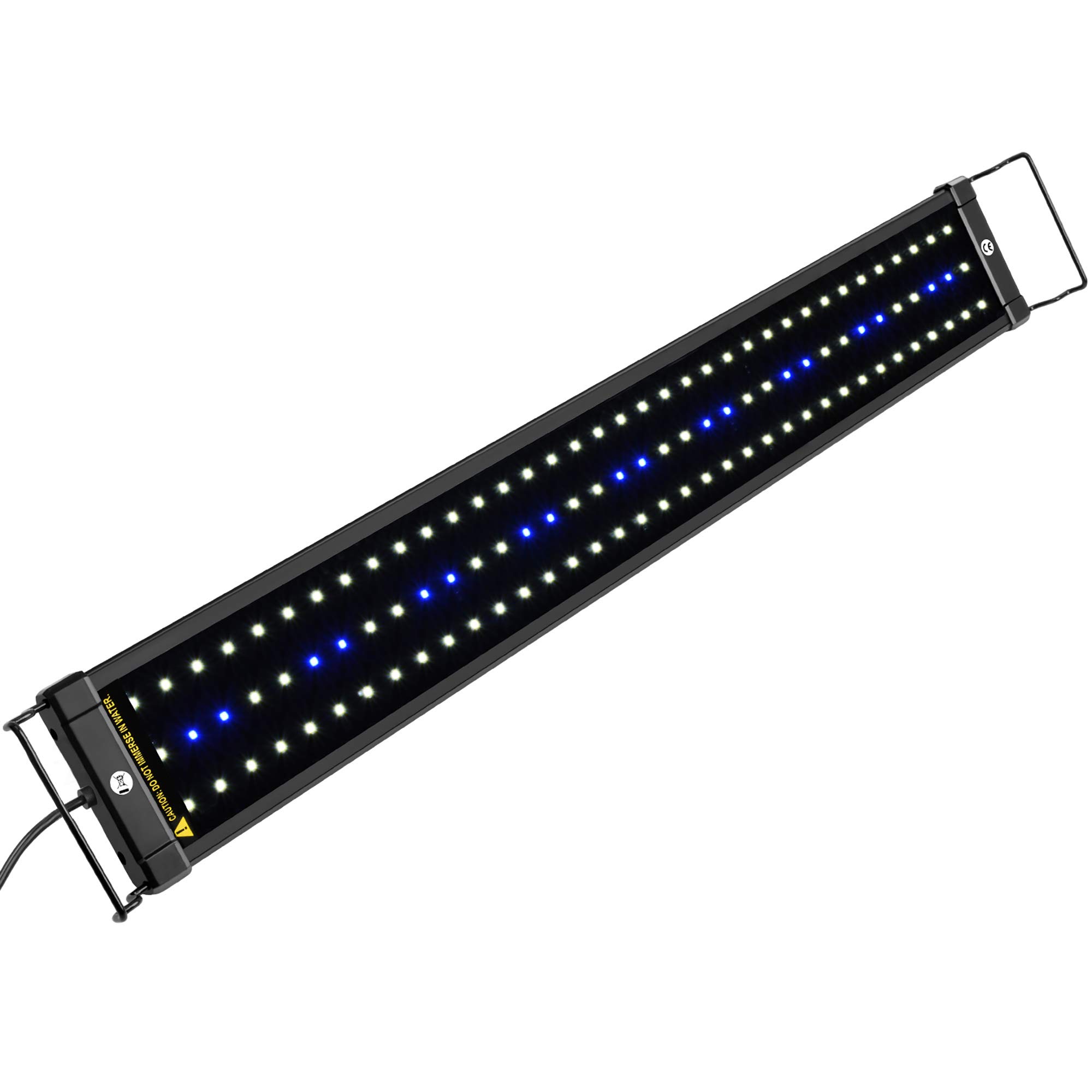
The widely repeated rule of thumb for SPS-dominant tanks is 40x to 60x total system turnover per hour, while LPS-only tanks can thrive at 15x to 25x. A mixed reef sits in the middle: aim for 35x to 45x. On a 90 gallon (which is closer to 80 net gallons after rock and sand displacement) that calculates to roughly 2,800 to 3,600 GPH of in-tank wavemaker flow, separate from your return pump.

- Work best on 10 gallon tanks with 20 inches long for better coverage; with two extendable brackets, this light also fits for fish tank from18 inch to 24 inch long
- Min size after assembled with dockig brackets: 18.5” L x 2.7” W, Light body without docking brackets: 17” L x 2.7” W. Tank thickness: No limit to rim size

- HIGH QUALITY AQUARIUM LIGHT: Built in widened and thickened aluminum gloss shell is more beautiful and durable. Wider surface makes the heat dissipation effect of the light
- DIY MODE: You could DIY modes as you like, there have switch that on/off button & change the light color or enter the color cycle & brightness & timer setting. 9 light colors

- Orlushy aquarium heaters come in six different sizes, suitable for small fish tanks, aquariums and turtle tanks. Please choose the right wattage aquarium heater according to our
- Stable Heating: Stair shape heating that red light is on and heater starts to intermittently heat the water to the set temp, saving energy and electricity. When green light is on
Gyre versus propeller pumps on a budget
The two dominant wavemaker styles each have a budget-tier representative worth considering.
Propeller-style powerheads (sometimes called "vortex" or "cross-flow" pumps) push a wide cone of water from a compact magnet-mounted housing. Brands like Jebao (SOW, OW, MOW series), AI Nero, Hydor Koralia, and Tunze Nanostream dominate this category. The budget tier is anchored by the Jebao SOW and MOW lines, which routinely sell controllable 4,000-9,000 GPH pumps under $130 each. They are noisier than premium pumps and the controllers feel cheap, but their flow output per dollar is unmatched.
Gyre pumps use a horizontal cross-flow impeller inside a long housing to create a rolling, river-like current that travels the length of the tank, hits the opposite glass, and rolls back. The Maxspect Gyre XF series invented the category; Icecap, Sicce, and Jebao now sell competing models. Gyres excel at eliminating dead zones because the entire water column moves as a single circulating mass, which is exactly what SPS frags planted across an aquascape need. On a 90 gallon (typically 48" long), a single mid-range gyre mounted at the back wall can replace two propeller powerheads.
Comparison: budget wavemaker categories for a 90 gallon mixed reef
| Category | Typical price (each) | Flow output | Best placement | Best for |
|---|---|---|---|---|
| Budget controllable propeller (Jebao SOW/MOW, AI Nero 3) | $80-$180 | 3,000-9,000 GPH | Upper third, opposing pair | Reefers who want maximum GPH per dollar |
| Mid-tier gyre (Icecap, Maxspect XF, Sicce Shark ADV) | $150-$280 | 3,000-5,000 GPH | Back wall, horizontal mount | Eliminating dead zones in aquascaped SPS tanks |
| Fixed-speed powerhead (Hydor Koralia Evo, Aqueon Circulation) | $30-$70 | 1,150-3,400 GPH | Two pumps, opposing ends | Absolute lowest entry cost, LPS-leaning mixed reefs |
| Premium controllable (Ecotech VorTech MP40, Tunze 6105) | $400-$650 | 4,500-8,000 GPH | One on each side | Long-term silence and reliability (outside budget scope) |
Recommended budget configurations
Configuration 1: dual controllable propeller pumps (best overall value)
For most reefers chasing the best wavemaker 90 gallon mixed reef sps budget build, two controllable propeller pumps in the 3,000-4,500 GPH range, mounted on opposite end walls in the upper third of the tank, deliver the strongest flow-per-dollar ratio. Set them to alternating mode on the controller so one ramps up as the other ramps down, creating a gentle 6-10 second oscillation that mimics natural surge. Total system cost lands in the $160-$280 range depending on brand. The Jebao SOW-9 and MOW-9 are perennial budget favorites; the AI Nero 3 costs more but is dramatically quieter and ships with a magnetic mount that does not vibrate against the glass.
Configuration 2: single mid-tier gyre pump
If your 90 gallon is a standard 48" x 18" x 24" footprint and your aquascape has tall structures with shaded back corners, a single gyre pump mounted horizontally along the back glass moves the entire water column in a unified roll that washes through every nook. The Icecap 3K Gyre and Maxspect Gyre XF250 are both well-reviewed at the $150-$220 price point. Run the pump in reverse-flow mode (alternating direction every few minutes) to prevent detritus from packing into one corner. The downside: a single point of failure. If the pump clogs or burns out, you lose all wavemaker flow until you replace it.
Configuration 3: trio of fixed-speed powerheads (rock-bottom budget)
If you cannot stretch past $100 total, three Hydor Koralia Evo 1500 or Aqueon Circulation 1250 pumps placed at the two end walls and one on the back wall will deliver roughly 4,000 GPH combined. There is no controllability and no random pattern, so plug each into a basic wavemaker timer (under $25) that cycles them on and off in staggered 30-60 second intervals. SPS will grow under this setup, but you will hit a ceiling on growth rate and coloration that controllable pumps do not impose.
Placement, tuning, and the SPS sweet spot
The single most common mistake on a 90 gallon SPS build is aiming pumps directly at frags. Direct linear blast damages tissue, particularly on thin-branched Acros, and creates a recirculating eddy behind the frag that traps detritus. Instead, aim pumps so currents collide in open water above the rockwork, generating turbulence that diffuses across the entire aquascape. A laminar test with a pinch of dry food helps: drop a small amount in the upper third of the tank with pumps running and watch the path. Food that swirls chaotically for 10+ seconds before settling indicates good turbulent flow. Food that tracks in a straight line to the overflow indicates you need to reposition or add a second pump.
For controllable pumps, the typical SPS-friendly schedule looks like this: 60-70% baseline power 16 hours per day, with a brief 10-15 minute "reef crest" mode at 90-100% twice daily to simulate tidal surge and dislodge detritus. Drop power to 30-40% during the 8-hour night cycle for fish rest and to let the sandbed settle. Most budget controllers from Jebao and similar brands support these schedules out of the box.
Flow tuning interacts directly with your dosing and feeding regimen. Strong turbulent flow accelerates calcium, alkalinity, and trace element uptake, which means you will likely need to step up dosing volumes as SPS growth accelerates. Pair your wavemaker upgrade with a dialed-in dosing schedule using a unit like the one covered in our Jebao DP-4 dosing pump review, and keep nutrient levels stable using the framework in our guide to maintaining optimal aquarium water quality.
Noise, vibration, and bedroom-adjacent tanks
Budget propeller pumps make two distinct sounds: a low-frequency hum from the magnet vibrating against the glass, and a higher-pitched whine from the impeller at high RPM. Both are addressable. For magnet hum, place a small square of neoprene or aquarium-safe silicone between the mount and the glass. For impeller whine, drop the maximum power setting to 80-85%; the last 15% of output is where the noise spikes disproportionately to the flow gain. Gyre pumps tend to be slightly quieter at peak flow but can produce a noticeable cavitation hiss if the water level in the display drops more than an inch.
What to expect from a budget build over 12-24 months
Honest expectations: a $200 wavemaker setup on a 90 gallon will grow SPS frags into healthy colonies, but you should plan for at least one pump replacement within 18-24 months. Budget pumps use cheaper bearings and rotor magnets that degrade faster than premium models. Keep a spare impeller and rotor shaft on hand (each costs $8-$15) and clean the impeller assembly in vinegar every 60-90 days to dissolve coralline encrustation. Failure to do this is the leading cause of premature pump death on budget gear.
Reefers who eventually upgrade to premium controllable pumps almost always keep their old budget pumps as backups for power outages, frag tank duty, or quarantine systems, so the spend is not wasted. Combine your flow upgrade with appropriate lighting (see our aquarium lighting guide for SPS PAR targets) and the frags will reward you with growth and color within a few months.
Frequently Asked Questions
How much GPH of wavemaker flow does a 90 gallon SPS tank need?
Target 30x to 50x total turnover, which equals roughly 2,700 to 4,500 GPH of in-tank flow from wavemakers alone, not counting your return pump. SPS-dominant tanks lean toward the higher end (45x-50x), while mixed reefs with both SPS and LPS work well at 35x-40x. Spreading that flow across two opposing pumps produces more usable turbulence than a single high-output pump.
Can I run just one wavemaker on a 90 gallon mixed reef?
Yes, but only if it is a gyre-style pump capable of moving the full water column, or a very high-output propeller pump (6,000+ GPH) mounted centrally on the back wall. Two smaller pumps almost always produce better results than one big pump because the colliding currents create the random turbulence SPS prefer. A single pump also creates a dead zone directly behind itself.
Is a Jebao wavemaker safe for SPS frags?
Yes. Thousands of successful SPS reefers run Jebao SOW, MOW, and OW pumps with healthy, colorful Acropora growth. The caveats are noise (louder than premium brands), controller reliability (Wi-Fi modules are inconsistent), and lifespan (plan on 18-24 months before service or replacement). Pair them with a vinegar-soak cleaning schedule and stock spare impellers.
Where should I place wavemakers in a 90 gallon reef tank?
Mount pumps in the upper third of the water column, on opposing end walls, angled slightly toward the front glass so currents collide in open water above the rockwork rather than blasting directly into corals. Avoid pointing pumps at the sandbed (it stirs detritus into the water column) or directly at SPS frags (linear flow damages tissue). Reposition seasonally as coral growth changes flow patterns.
Do I need a controller, or are fixed-speed wavemakers fine?
Fixed-speed pumps will keep SPS alive but rarely let them thrive long-term. Controllable pumps with pulse, ramp, and alternating modes mimic the variable surge SPS evolved with on natural reef crests. The growth and coloration difference between fixed and controllable flow becomes obvious after 6-12 months. If budget forces fixed-speed pumps, at least add a basic wavemaker timer to alternate pumps on 30-60 second cycles.
What is the difference between a gyre and a powerhead for SPS?
A gyre uses a long horizontal cross-flow impeller to push a sheet of water along the length of the tank, creating a unified rolling current with very few dead zones. A propeller powerhead pushes a cone-shaped jet from a compact housing, which is more focused but easier to direct around specific frags. For 48" tanks like most 90 gallons, gyres excel at whole-tank circulation while propeller pumps excel at targeted high-velocity flow on specific frag racks.
Can I use return pump flow instead of a separate wavemaker?
No. Return pumps move water from the sump into the display at a rate suitable for filtration (typically 5x-10x turnover), which falls far short of the 35x-45x in-tank turnover SPS need. Return-only flow is also predominantly linear and unidirectional, which produces dead zones and stresses SPS. Always supplement your return pump with dedicated wavemakers for any tank housing stony coral.
For broader reef husbandry context beyond flow, our aquarium water care guide covers the parameter stability that lets strong flow translate into actual SPS growth rather than just stirred-up water.