As an Amazon Associate this site earns from qualifying purchases.
If you are hunting for the best RODI system for apartment renter running 20 gallon mixed reef tanks, the short answer is a compact, countertop or under-sink 4-stage reverse osmosis deionization unit rated between 50 and 100 gallons per day (GPD), with a quick-disconnect garden-hose adapter, a TDS meter, and a manual flush valve. Apartment reefers do not need the giant 150 GPD industrial units sold to people with garages and basements. You need something that mounts under a kitchen sink, on a closet shelf, or hangs over a laundry tub, produces 0 TDS water without rattling pipes, and does not turn your security deposit into a casualty. This guide walks through what actually matters when you are renting, living above another tenant, and topping off only 1 to 3 gallons of saltwater a week for a small mixed reef.
Why a 20-Gallon Mixed Reef Demands RODI, Not Tap or Spring Water
A 20-gallon mixed reef is a beautiful but unforgiving system. The total water volume is small, which means any contaminant in your top-off water concentrates fast. Municipal tap water in most North American apartments contains chloramine, copper from old pipes, phosphates from anti-corrosion additives, silicates that fuel diatom blooms, and nitrates that drive nuisance algae and Cyanobacteria. Even bottled spring water typically tests at 30 to 150 TDS and contains minerals that will throw off your alkalinity, calcium, and magnesium dosing. Reverse osmosis deionization strips everything down to 0 TDS, giving you a blank canvas that your reef salt mix can re-mineralize to exact reef parameters. For an SPS frag, an acan, or even a hardy Euphyllia, that purity is the difference between vibrant polyp extension and a slow brown decline you cannot diagnose.
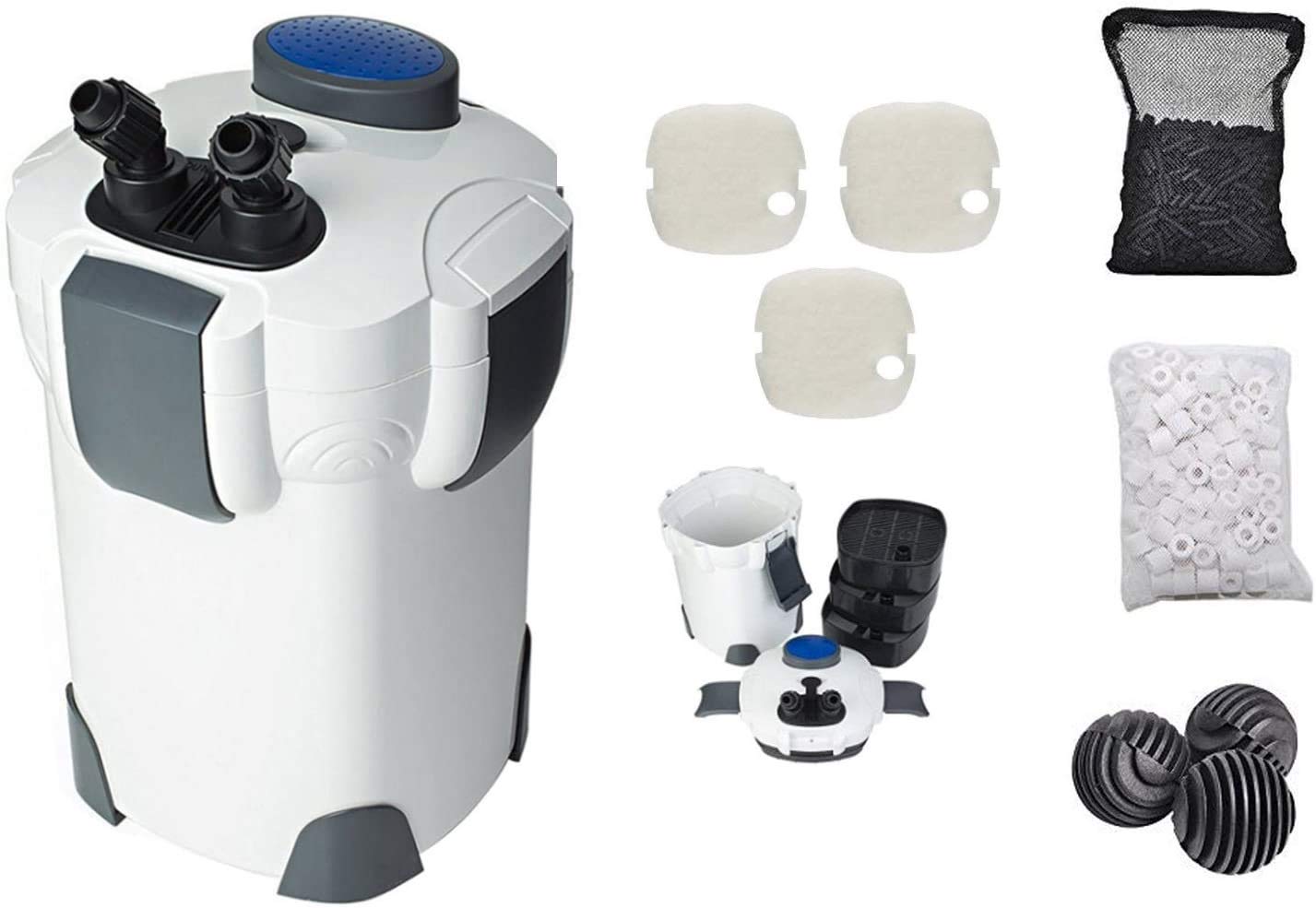
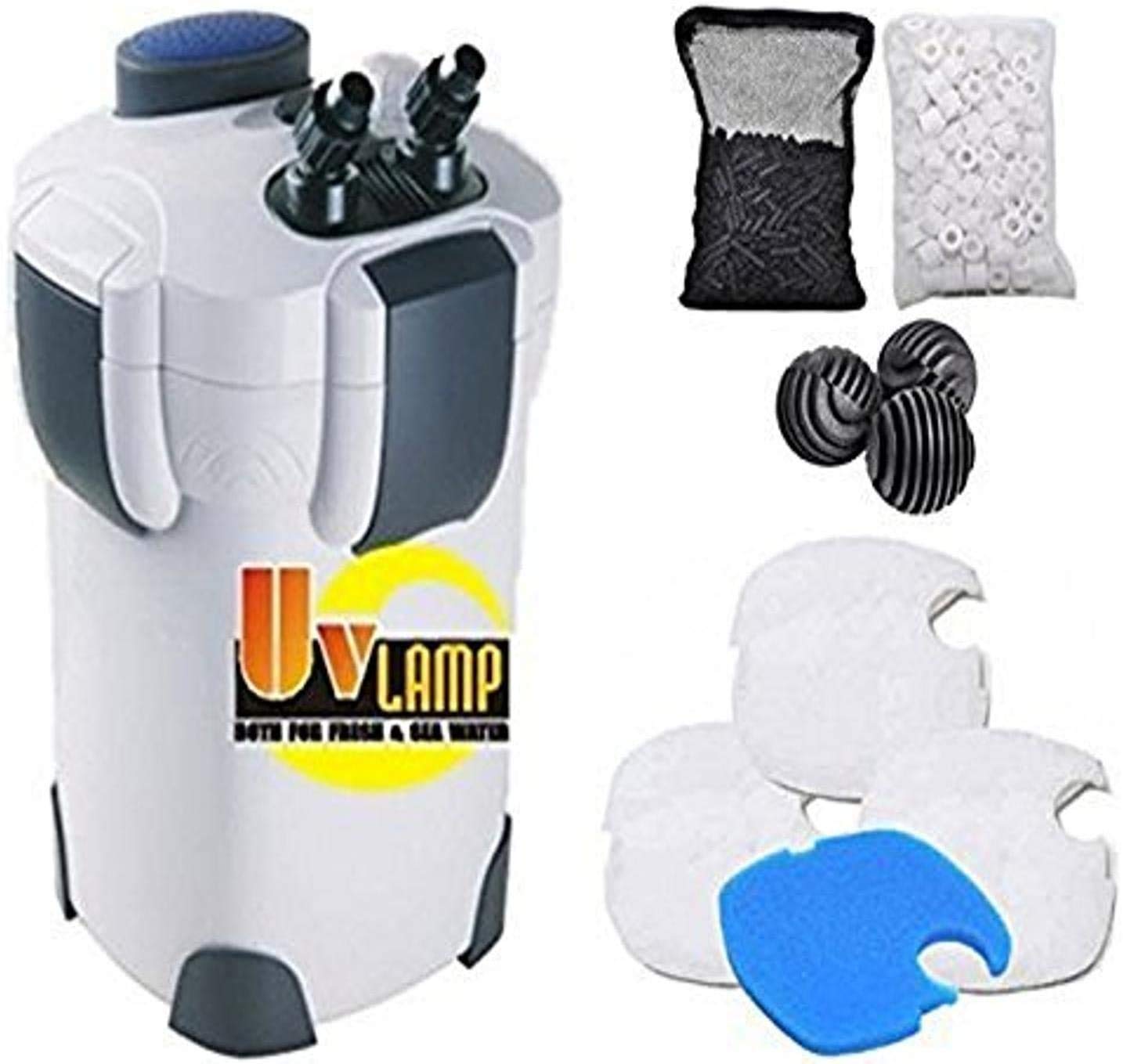
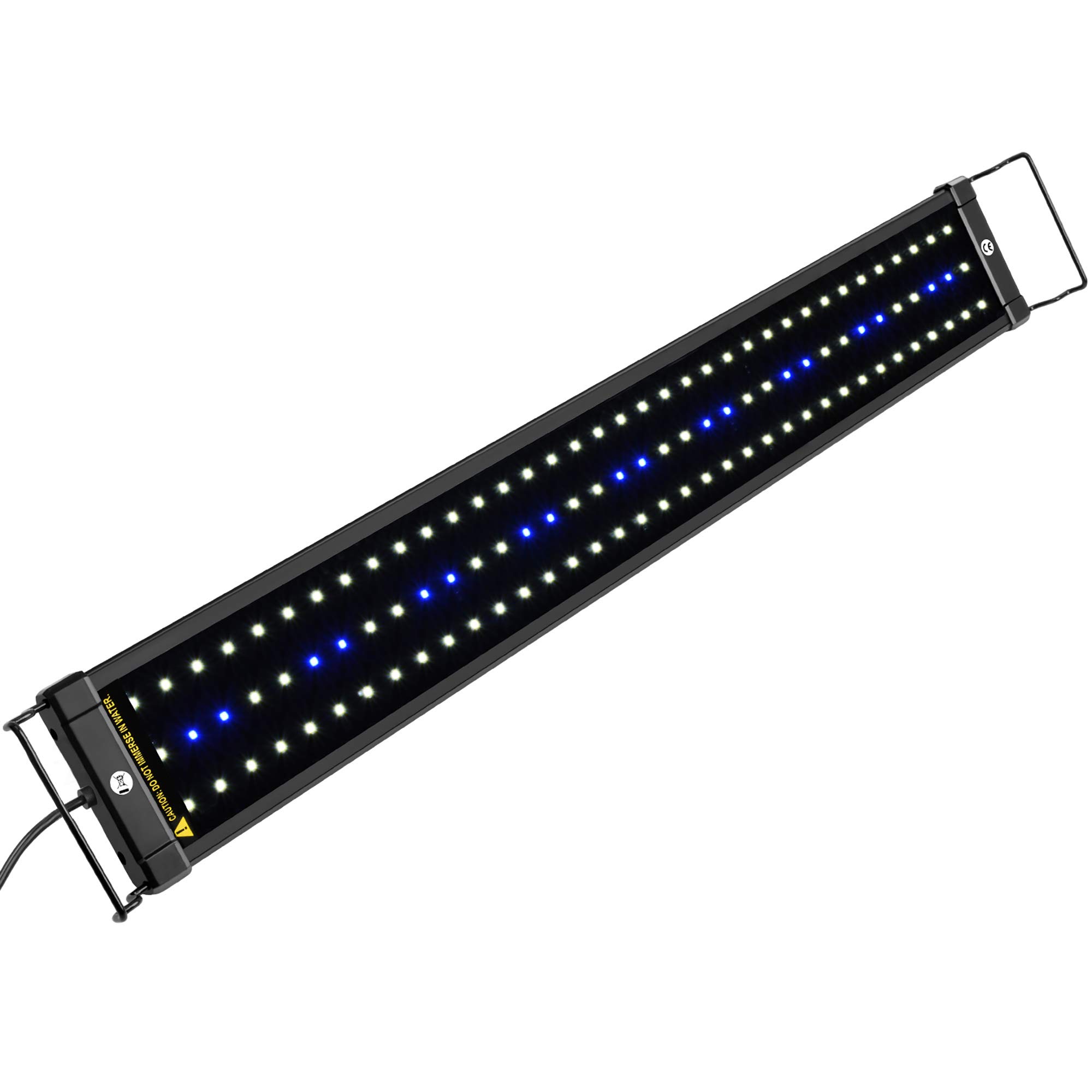

- Vase-shaped, see-through body to check your butane level at any time
- Large, easy-to-use fuel wheel for convenience
The Apartment Constraint: What Changes the Buying Decision
Renters face four hurdles that homeowners never think about, and these directly shape which RODI system is right for you.
Comparison: Common Apartment-Friendly RODI Configurations
| Configuration | Typical GPD | Footprint | Best For | Approx. Yearly Filter Cost |
|---|---|---|---|---|
| 4-stage 75 GPD countertop | 75 | 14 x 6 x 16 in | Studio or 1-BR with kitchen sink hookup | $45-65 |
| 4-stage 100 GPD under-sink | 100 | 16 x 8 x 18 in | 1-2 BR with under-sink space and laundry bib | $50-75 |
| 5-stage 75 GPD with refillable DI | 75 | 16 x 7 x 18 in | Renter planning to scale to 40-75 gallon later | $35-55 |
| Portable 50 GPD with garden-hose adapter | 50 | 10 x 5 x 14 in | Renter with only a laundry tub or bathtub bib | $40-60 |
No permanent plumbing modifications. You cannot drill into the wall behind the toilet to tap into a cold water line. You need a system that connects to a standard faucet aerator thread or a garden-hose bib in the laundry area. Look for kits that ship with a faucet diverter (the same fitting a portable dishwasher uses) or a 3/4-inch garden hose thread (GHT) adapter.
Limited footprint. A 20-gallon reef only needs about 5 gallons of RODI per week at most, including water changes and evaporation top-off. You do not need a 4-gallon pressurized storage tank eating up cabinet space. A simple 5 or 7-gallon BPA-free jug on the floor is plenty.
Noise and vibration. Cheap booster pumps and waste-water solenoids hum and click. If you share a wall with a neighbor or your tank is in a studio bedroom, you want a non-electric system that runs purely on incoming line pressure (typically 40-80 PSI in apartment buildings is plenty).
Waste-water management. A 4:1 waste ratio means for every gallon of pure water, four gallons go down the drain. In an apartment with one bathroom and a paranoid downstairs neighbor, a hose flopping into a bathtub for two hours is a problem. Look for a system with a clear waste line and a permanent-style drain saddle alternative, like running the waste into the washing machine standpipe or capturing it for plant watering and toilet flushing.
The Four Stages You Actually Need
For a 20-gallon mixed reef the gold standard is a 4-stage configuration: a 5-micron sediment filter, a carbon block (or two), a reverse osmosis membrane, and a final DI resin canister. Anything more elaborate (chloramine-specific dual carbons, a second RO membrane in series, or large auto-flush valves) is built for tap water that is unusually rough or for large display tanks pulling 30+ gallons of RO per week. Most apartment renters running a 20-gallon system are wasting money on 5, 6, and 7-stage units. The biggest gains in finished-water quality come from a fresh DI cartridge and a properly functioning membrane, not stage count.
Sediment stage. Catches rust, sand, and rust flakes from old building pipes. A 5-micron spun polypropylene is standard and replaceable for under five dollars.
Carbon block. Strips chlorine and many organics. Chlorine destroys RO membranes within weeks if it is allowed through, so a high-quality 0.5 to 1 micron carbon block is non-negotiable. If your building uses chloramine (call your water utility and ask), upgrade to a catalytic carbon or run two carbon blocks in series.
RO membrane. The reverse osmosis membrane is the heart of the system. For a 20-gallon reef, a 75 GPD or 100 GPD thin-film composite (TFC) membrane is plenty. Smaller 50 GPD membranes reject slightly better but produce so little water you will wait two hours for five gallons. Larger 150 GPD membranes overshoot your needs and have worse rejection rates on low-pressure apartment plumbing.
DI resin. Color-changing mixed-bed DI resin polishes the RO output from around 5-15 TDS down to 0 TDS. A refillable canister is far cheaper long-term than disposable cartridges, but disposable is fine if you only refill once or twice a year.
What to Look for When You Are Shopping
When you compare listings online, the spec sheet matters more than the brand sticker. Use this checklist as you scroll.
Inline dual TDS meter. A two-probe TDS meter shows you the reading after the RO membrane and after the DI stage. You need both. If the post-RO number climbs above 15, your membrane is dying. If post-DI ever reads above 0, your DI resin is exhausted. Without a dual TDS meter you are flying blind. This is the single most important add-on for the best RODI system for apartment renter running 20 gallon mixed reef setups.
Quick-connect fittings. Push-in John Guest style fittings let you assemble and disassemble the unit without tools when you move apartments. Twist-on fittings, especially the all-metal kind, are a pain to break down.
Manual flush valve. A simple ball valve on the waste line lets you periodically flush the membrane at full pressure, which extends its life from about 18 months to 3+ years.
Faucet diverter and garden-hose adapters in the box. If the kit only ships with a 1/4-inch saddle valve, you will need to buy adapters separately.
NSF-certified housings. Cheap housings crack under city water pressure spikes. NSF/ANSI 58 certification means the plastic was tested for both contact safety and burst pressure.
Installation Tips Specific to Apartments
You almost never want a permanent under-sink install in a rental. Instead, mount the unit on a small wall bracket inside the cabinet using removable Command strips for the lighter components, or use a free-standing wire shelving rack in a utility closet. Run the inlet line to a faucet diverter on your kitchen sink. Run the product line to a 5 or 7-gallon BPA-free jug. Run the waste line to either (a) the same sink drain via a flexible hose with a check valve, (b) the washing machine standpipe through a hose extension, or (c) a 5-gallon bucket you empty into the toilet or use for houseplants. Always elevate the waste line outlet above the RO unit's housing to prevent siphoning, and never leave a system running unattended overnight, even with an auto shut-off valve, because apartment pressure can spike during off-hours.
For a tank this small, our broader aquarium water care guide walks through how RODI fits alongside salinity, alkalinity, and nutrient testing.
Sizing the Storage and Cadence to a 20-Gallon Reef
A 20-gallon mixed reef with a 5 to 8-gallon sump (if you have one) and average evaporation in a heated apartment will lose roughly 0.3 to 0.5 gallon per day to evaporation. Add a 10 to 15 percent weekly water change of about 2 to 3 gallons, and your total weekly RODI demand is around 4 to 6 gallons. A 75 GPD membrane produces that in about 90 minutes; a 50 GPD membrane in just over 2 hours. Either is fine. Store your finished water in a sealed BPA-free container with a tight lid to prevent CO2 absorption (which drops your pH) and dust contamination. Do not store more than 2 weeks of supply at a time; DI water is aggressive and will leach plastics if it sits too long.
For top-off, an auto top-off (ATO) unit pulls from your storage jug and replaces evaporated water continuously. For water changes, mix only what you need the night before. Reviewing the fundamentals on how to maintain optimal aquarium water quality is well worth the time before you commit to a particular RODI build.
Cost of Ownership Over Two Years
The sticker price of a good apartment-friendly 4-stage RODI is typically $90 to $180. Annual replacement filters add about $45 to $65 if you buy generics, or up to $90 with name-brand cartridges. DI resin refills run $15 to $25 per pound and a small refillable canister uses about half a pound per fill. Membranes last 2-3 years with proper flushing. Compare that to buying RODI water at a local fish store at $0.50 to $1.00 per gallon: at even 4 gallons per week, that is $100 to $200 a year, plus the time and gas. For a 20-gallon mixed reef, the system pays for itself inside the first year.
Frequently Asked Questions
How many GPD do I need for a 20 gallon mixed reef in an apartment?
A 50 to 100 GPD membrane is ideal. A 75 GPD membrane is the sweet spot because it produces enough water for weekly changes and top-off in under two hours, holds up well at typical apartment line pressures of 40-60 PSI, and has better rejection than the 150 GPD membranes. Anything bigger is overkill and may underperform on apartment plumbing.
Can I run an RODI system without modifying my apartment plumbing?
Yes. The two most common approaches are a faucet-diverter on your kitchen sink (the same fitting a portable dishwasher uses) or a garden-hose thread adapter that connects to a laundry room bib. Both are completely reversible. Avoid kits that ship only with a self-piercing saddle valve, because those require drilling into your cold-water supply line and will not pass a move-out inspection.
What is the best way to handle RODI waste water in a small apartment?
Run the waste line into your kitchen sink drain or laundry standpipe, or capture it in a 5-gallon bucket for watering houseplants, mopping floors, or pouring into the toilet tank. RODI waste water is not contaminated; it is simply concentrated tap water and is perfectly safe for non-potable uses. Never let the waste line discharge onto a tile floor or carpet, even briefly.
Do I need a booster pump for apartment water pressure?
Usually no. Most apartment buildings deliver 40 to 80 PSI at the tap, which is well within the operating range of a TFC membrane. Add a booster pump only if your post-membrane water tests above 10 percent of your incoming TDS, or if your RO production drops more than 30 percent below the rated GPD. Booster pumps add noise, electricity use, and complexity that most renters do not need.
How often should I change cartridges on a small reef RODI system?
Sediment and carbon block cartridges should be changed every 6 to 12 months or sooner if your inline pressure gauge drops noticeably. DI resin lasts until the color-change indicator turns and post-DI TDS reads above 0; for a 20-gallon reef using 4 to 6 gallons a week, expect 6 to 9 months on a half-pound canister. Membranes last 24 to 36 months with quarterly flushing.
Should I get a pressurized storage tank for a 20-gallon reef?
No. Pressurized RO tanks are designed for drinking-water systems and take up significant cabinet space. For a small reef, a 5 or 7-gallon BPA-free water jug on the floor is cheaper, easier to clean, easier to move when you relocate, and lets you visually confirm how much water you have ready. Pair it with a float-valve auto shut-off and a leak detector for peace of mind.
Can I use a countertop RO drinking system instead of a dedicated RODI unit?
Not for a reef. Drinking-water RO systems stop at the RO membrane and leave 5 to 15 TDS in the finished water, which is enough to introduce phosphate, silicate, and nitrate over time. Reef systems require the final mixed-bed DI stage to reach 0 TDS. If you already own a drinking-water RO unit, you can add an inline DI canister downstream, but a purpose-built RODI kit is usually cheaper than retrofitting.