As an Amazon Associate this site earns from qualifying purchases.
The best rimless nano tank kit for Iwagumi aquascape beginners is one that combines an ultra-clear, low-iron glass cube in the 7.5–20 gallon range with a quiet hang-on or small canister filter, a tunable full-spectrum LED, and a high-nutrient aquasoil substrate that supports carpeting plants like Monte Carlo, dwarf hairgrass, or Glossostigma. Iwagumi is the minimalist Japanese stone-arrangement style pioneered by Takashi Amano, and it demands a tank that disappears visually so the rocks and carpet can take center stage. That means no plastic rim, no thick black silicone, and no built-in hood blocking your aerial view. In this guide we break down exactly what to look for in a rimless nano kit, the spec ranges that matter, and the trade-offs between all-in-one bundles and DIY component builds.
Why a Rimless Nano Tank Is the Right Choice for Iwagumi
Iwagumi aquascapes are defined by their restraint. A traditional layout uses an odd number of stones (typically three, five, or seven) arranged according to classical rules — the Oyaishi (main stone), Fukuishi (secondary), Soeishi (accompanying), and Suteishi (sacrificial) — set against a single species of carpeting plant and crystal-clear water. Because there is so little visual noise inside the tank, anything outside the glass becomes painfully obvious. A black plastic rim cuts the composition in half. A bulky hood casts shadows and prevents the overhead viewing angle that makes Iwagumi photography so striking. Even a thick bead of black silicone can distract from the spareness of the scape.
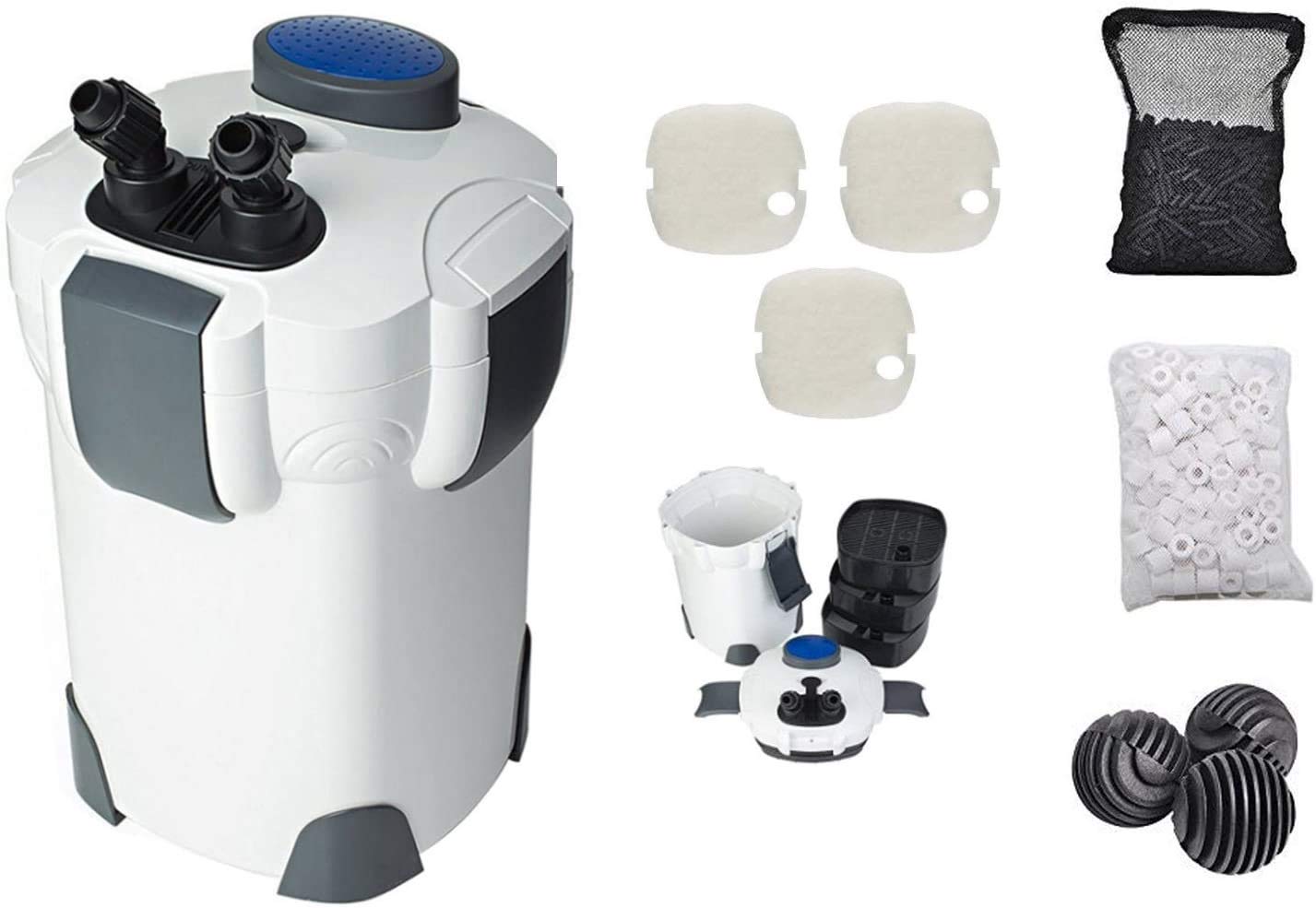
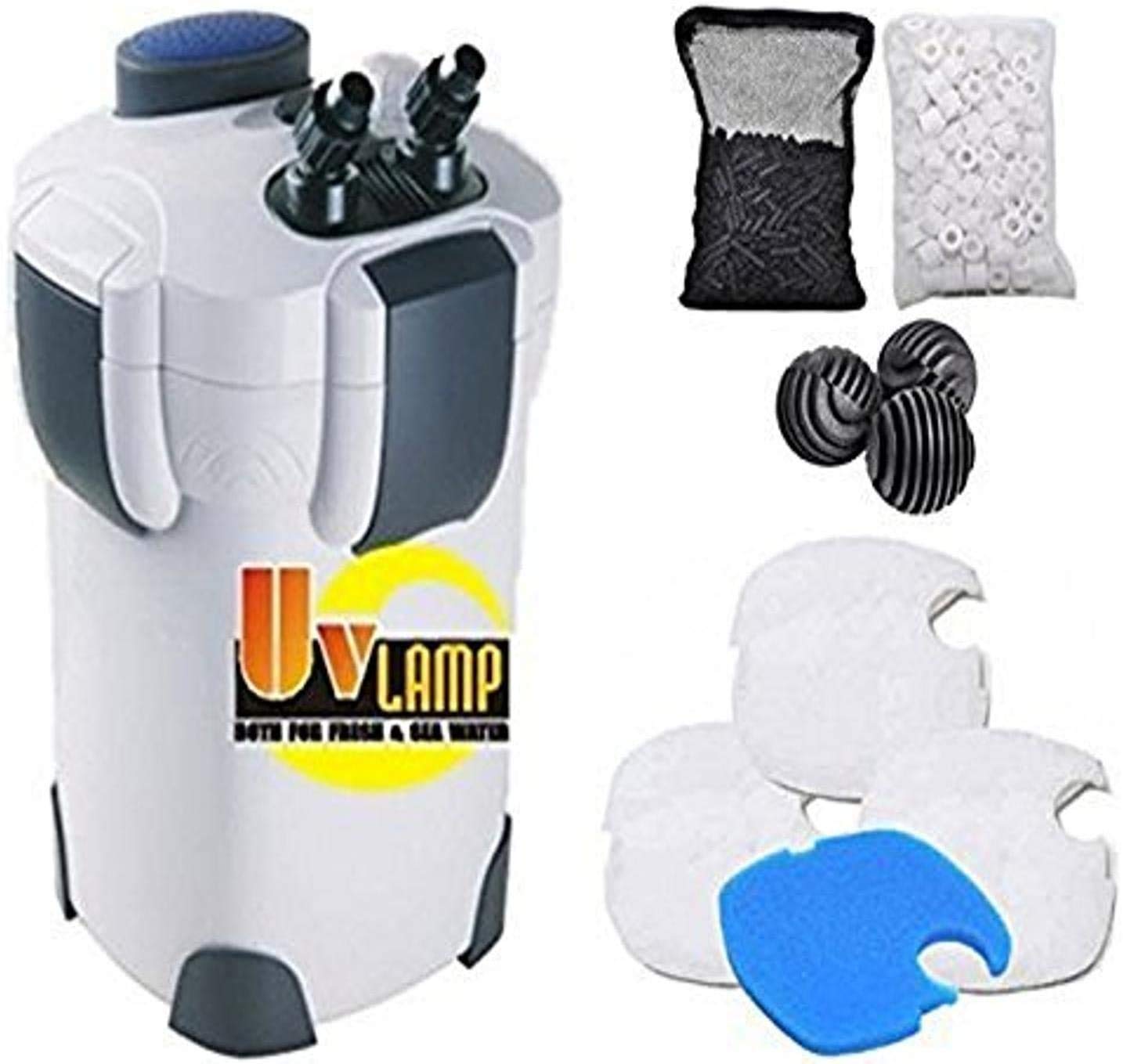
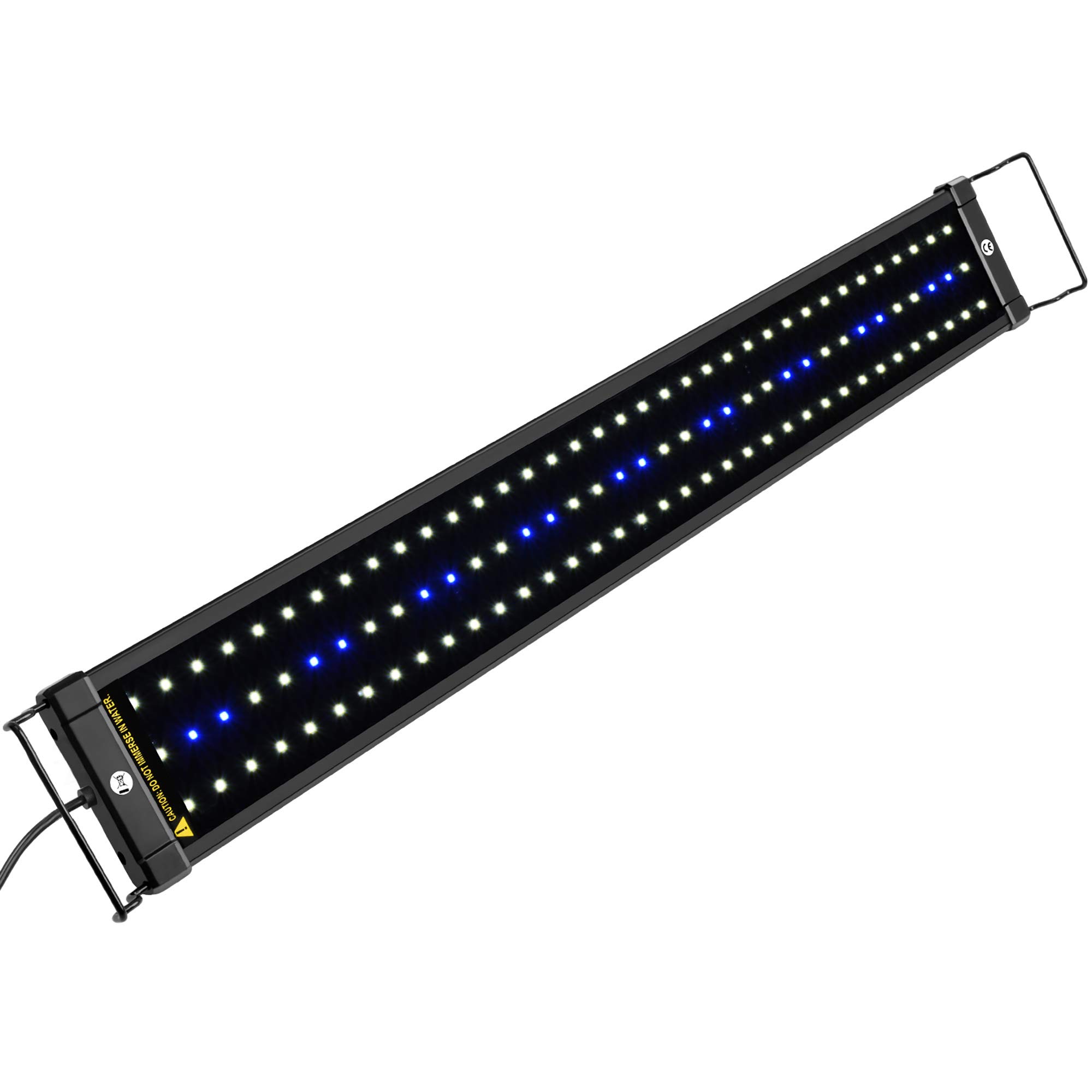
Rimless tanks solve all of this. They are built from low-iron "opti-white" glass with hairline silicone seams, no top frame, and no bottom frame. The result is a piece of furniture that reads almost as a floating block of water. For a beginner attempting Iwagumi, this is not vanity — it is the foundation of the style.
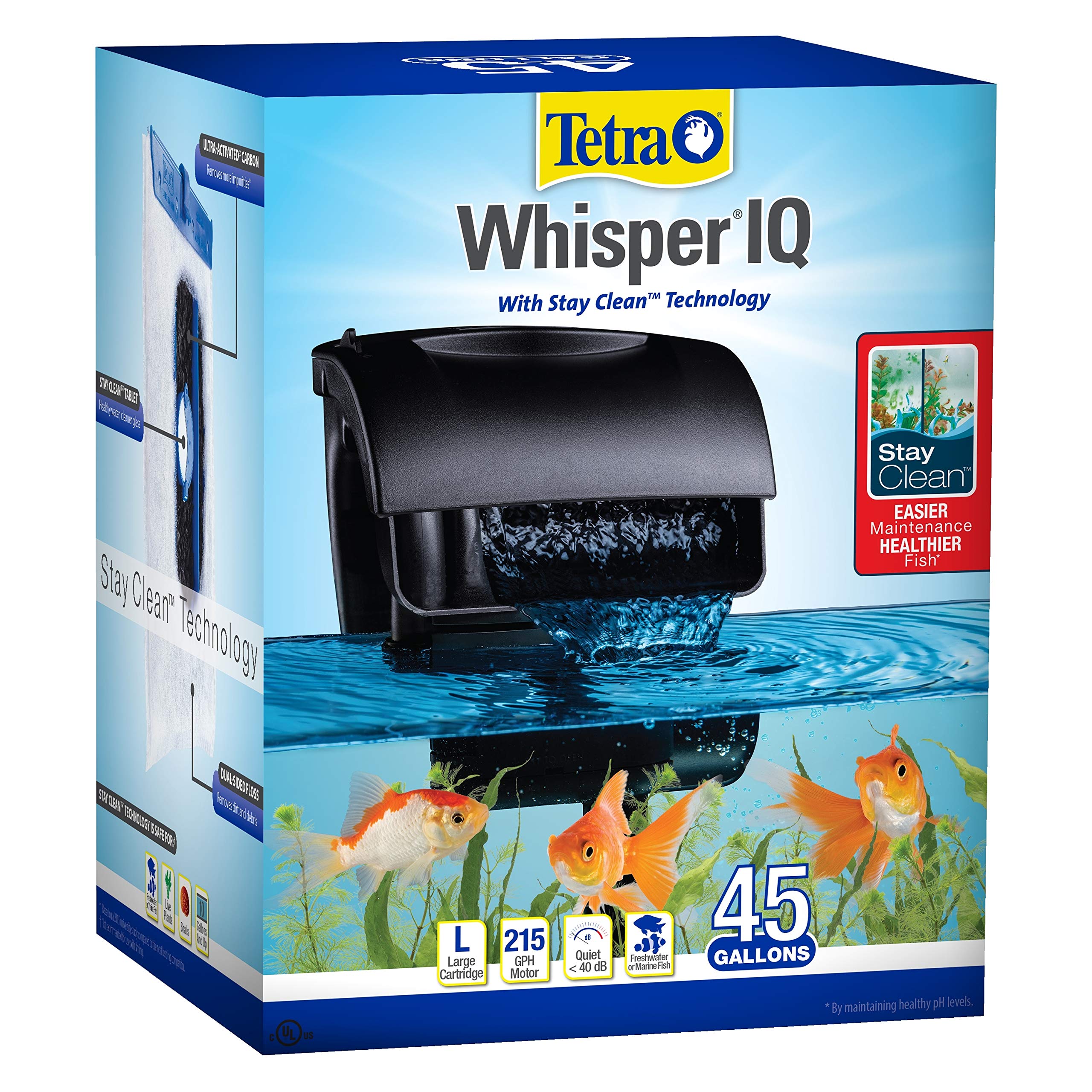
- QUIET AQUARIUM FILTER: The Tetra Whisper IQ Power Filter with Stay Clean technology contains a sound shield for quiet filtration less than 40 dB
- SELF PRIMING: Submerged motor starts up with no priming required
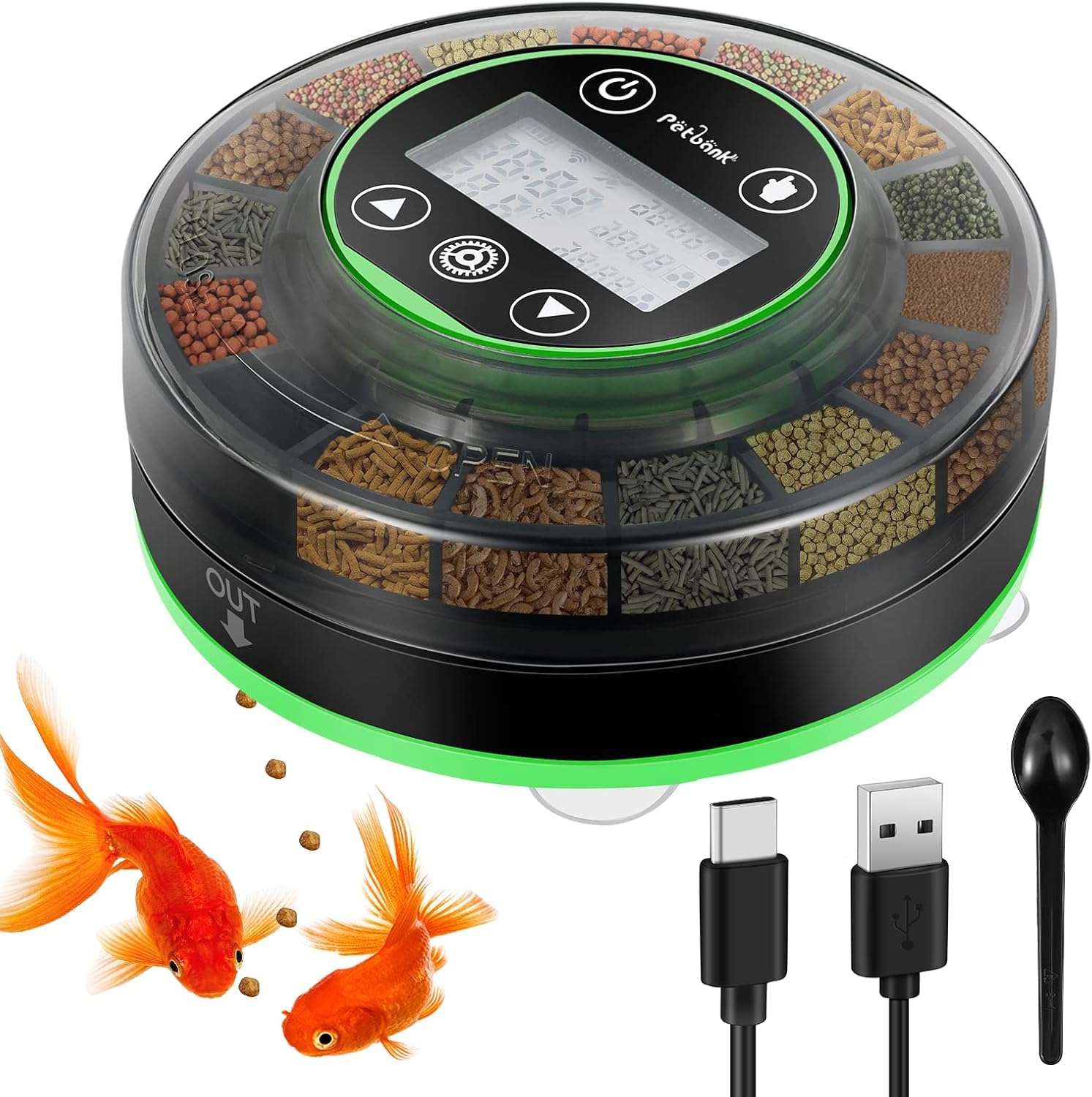
- Accurate Food Amount :Compared with ordinary fish feeders with only one compartment, Petbank updated automatic fish feeder contains 16 grids in total, which is able to provide 15
- 2 Setup Methods :Petbank aquarium feeder provides two different installation ways to fit different types of aquariums. You can either mount it to the tank by adjustable clamp
Comparing Popular Rimless Nano Kit Configurations
Rather than recommend a single product blindly, it is more useful for beginners to compare the configurations available at this price point so you can shop intelligently from any reputable seller.
| Configuration | Typical Volume | Best For | Approx. Price Range | Iwagumi Verdict |
|---|---|---|---|---|
| 30 cm cube + clip-on LED + sponge filter | ~4.5 gal | Shrimp-only, single-stone scapes | $80–$140 | Workable but tight for triadic stone layouts |
| 45P rimless + hang-on LED + small canister | ~9 gal | Classic beginner Iwagumi | $250–$450 | Best overall balance |
| 60 cm standard rimless + planted-spec LED + 200 L/h canister | ~17 gal | Confident beginners, longer-term scapes | $400–$700 | Excellent if budget allows |
| All-in-one cube with internal filter chamber | ~5–10 gal | Plug-and-play simplicity | $120–$220 | Convenient but loses some rear scape depth |
Tank Size: The Goldilocks Range for Beginner Iwagumi
The sweet spot for a first Iwagumi build is a cube or near-cube footprint between 7.5 and 20 gallons. Common sizes that work beautifully include 30 cm (around 4.5 gallons), 45 cm (around 9 gallons), and 60 cm standard (around 17 gallons). Smaller than 30 cm and you cannot fit three convincingly proportioned stones. Larger than 60 cm and the cost of stones, soil, lighting, and CO2 escalates quickly, which is rough for a first attempt.
If you are unsure how tank dimensions affect everything downstream, our guide to choosing the right aquarium size walks through stocking, evaporation, and stability trade-offs in detail. For most beginners we recommend a 45P-style tank (45 × 27 × 30 cm) — it is forgiving enough to cycle, large enough to host a school of small fish like ember tetras or chili rasboras once mature, and small enough that a single quality LED can carpet the entire footprint.
What "Kit" Should Actually Include
The word "kit" is used loosely in the aquarium industry. A true Iwagumi-ready rimless nano kit should bundle:
- A low-iron rimless glass tank with polished or beveled edges
- A black mesh or glass cover (optional but useful for jumpers)
- A filter sized for at least 4x tank turnover per hour
- A full-spectrum LED rated for planted tanks (not a generic fish-tank light)
- A heater appropriate for the volume (typically 25–50W for nano sizes)
- A leveling mat — critical for rimless tanks, which crack if stressed
Notably absent from most retail kits: aquasoil, CO2 equipment, stones, and a quality drop checker. You will almost certainly buy those separately. Treat the kit as your hardware platform and budget another $150–$300 for the scape itself.
Lighting: The Single Most Important Component
Iwagumi lives or dies by its carpet. A dwarf hairgrass or Monte Carlo lawn needs medium-to-high PAR (around 50–80 µmol at substrate level) delivered over 6–8 hours daily. Most cheap kit LEDs cannot hit those numbers and your carpet will melt, turn yellow, or be overtaken by algae before it spreads.
Look for fixtures advertising PAR or PPFD values, not just lumens. Adjustable intensity is essential because you will dim during cycling to control algae, then ramp up as plants establish. Our aquarium lighting guide covers the photosynthetically active radiation numbers in detail, and the ideal lighting for freshwater aquariums reference goes deeper on spectrum choices that bring out the green tones Iwagumi relies on.
The Twinstar / Chihiros / Week Aqua Tier
The most popular planted-nano LEDs in 2026 from these brands sit in the $80–$200 range and produce enough PAR for any beginner Iwagumi. They mount with adjustable arms or stands, so you can raise the light slightly during the first month to slow algae, then lower it as the carpet fills in. If your kit ships with a low-budget light, plan to upgrade within the first three months.
Filtration: Quiet, Adjustable, and Slim
Iwagumi tanks are watched. They sit in living rooms and on desks, and a rattling internal filter ruins the meditative quality of the scape. A small canister or a high-quality hang-on-back with adjustable flow is ideal. You want gentle surface agitation but not enough current to flatten foreground plants or scatter aquasoil.
The general filter-sizing rules in our best aquarium filtration tips apply: aim for 4–6x turnover per hour, use mechanical media first, then biological, and skip carbon unless treating medications. For deeper comparisons, the guide to aquarium filtration systems breaks down canister vs. hang-on vs. internal options.
Substrate: Aquasoil Is Non-Negotiable
Iwagumi carpets are heavy root-feeders. Inert gravel and sand will not work. You need an active aquasoil that lowers pH slightly, releases ammonia during the initial cycle (which is actually fueling plant growth), and has a particle size around 2–4 mm so roots can penetrate. ADA Amazonia, UNS Controsoil, Tropica Aquarium Soil, and Fluval Stratum are all proven choices.
Slope the soil from roughly 2 cm at the front to 6–8 cm at the back. The slope creates visual depth and gives stones a stable seat. For substrate selection trade-offs in general planted setups, see our choosing aquarium substrate guide.
Heater: Small, Reliable, and Hideable
Most Iwagumi nano tanks need 25–50W of heating depending on ambient room temperature. Place the heater along a back corner where rocks and plants will eventually hide it. Spend the extra ten dollars for an accurate thermostat — carpet plants are sensitive to temperature swings during establishment. Our aquarium heater guidance covers wattage calculations.
Stones: The Iwagumi Soul
Although stones are rarely included in kits, no Iwagumi guide is complete without mentioning them. Seiryu stone (blue-grey, sharp ridges) is the classic choice but raises GH and KH significantly. Ohko "dragon" stone is more pH-neutral and easier to glue carpet plants onto. Frodo stone is a newer favorite for its weathered, sculptural shape. Use one main stone roughly two-thirds the tank's height, two supporting stones, and apply the golden ratio for placement.
Cycling and First-Month Care
Aquasoil-based Iwagumi tanks cycle differently than gravel tanks because the soil itself releases ammonia. Expect 4–6 weeks of water changes (50% twice weekly for the first month) before adding any fish. Test ammonia, nitrite, and nitrate weekly. For a full walkthrough that translates well to rimless nano builds, the freshwater aquarium setup guide is a solid companion read, and the water care guide covers ongoing parameters.
CO2: Optional but Strongly Recommended
Iwagumi carpets grown without injected CO2 are possible but slow, algae-prone, and visually thinner. A pressurized CO2 system with a small 0.5–1 lb cylinder, regulator, solenoid on a timer, and an in-tank diffuser will transform results. Plan on aiming for 25–30 ppm during photoperiod and 0 at night. If CO2 feels like too much for a first build, start with liquid carbon supplements and easier carpeting species like Marsilea hirsuta or dwarf sagittaria.
Putting It All Together: A Beginner Shopping List
To recap what a complete best rimless nano tank kit for Iwagumi aquascape beginners setup looks like in practice: a 45 cm rimless low-iron glass cube, a Twinstar-class planted LED, a small canister filter rated for 9–15 gallons, a 50W adjustable heater, 9 liters of premium aquasoil, three Seiryu or Ohko stones in a 7-3-3 cm height arrangement, dwarf hairgrass tissue cultures, and a basic CO2 kit. Total realistic investment is $500–$900 depending on brand choices. The result is a tank that will look good on day one and stunning by month four.
Frequently Asked Questions
What is the minimum tank size for a beginner Iwagumi aquascape?
Realistically 7.5 gallons (a 30 cm cube is borderline; a 45P or 36 cm cube is more forgiving). Anything smaller forces you to use only one or two miniature stones, which sacrifices the triadic composition that defines Iwagumi. Smaller volumes also have less chemical stability, which is risky during the ammonia-heavy aquasoil cycle.
Do I need CO2 injection for an Iwagumi nano tank?
You do not strictly need pressurized CO2, but carpeting plants like dwarf hairgrass and Monte Carlo grow dramatically faster and denser with it. Without CO2, expect a thinner carpet, more algae battles during establishment, and to use only the easiest species like Marsilea hirsuta or dwarf sagittaria.
How many fish can I keep in a rimless nano Iwagumi tank?
Iwagumi tradition calls for a single, large school of one small species — typically 15–20 ember tetras, chili rasboras, or green neon tetras in a 9-gallon tank. Avoid mixing species; the visual purity is part of the style. Add a small clean-up crew of Amano shrimp and a few Otocinclus catfish.
How long does it take to grow a dwarf hairgrass carpet in a nano Iwagumi?
With CO2, high light, and aquasoil, expect partial coverage in 3–4 weeks and a full dense carpet in 8–12 weeks. Without CO2, double those timelines and expect a thinner result. Trim the carpet early and often — the first trim around week 6 actually accelerates spreading.
Are all-in-one rimless cubes good for Iwagumi or should I avoid the rear filter chamber?
All-in-one designs are convenient but the rear filter chamber consumes 2–3 inches of usable depth, which matters in nano scapes where every centimeter of substrate slope counts. For pure Iwagumi we prefer a plain rimless tank with an external filter, but an all-in-one is a valid trade-off if you value the cleaner look of no hoses.
What lighting schedule works best for a beginner Iwagumi tank?
Start with 6 hours per day at roughly 50% intensity during the first 3–4 weeks while the soil leaches ammonia, then gradually ramp to 7–8 hours at 70–100% intensity as the carpet establishes. Use a simple smart plug or built-in timer to maintain consistency — plants respond more to schedule stability than absolute duration.
How do I stop my Iwagumi carpet from being uprooted during water changes?
Use a small-diameter siphon, never aim flow directly at the substrate, and pre-rinse new water through a flat hand or plate held just above the carpet. Most uprooting happens in the first 4–6 weeks before roots anchor. After that, the carpet becomes a mat that resists almost any reasonable flow.