As an Amazon Associate this site earns from qualifying purchases.
The best hang on back filter for 10 gallon fancy goldfish tank setups is one rated for at least 20 to 30 gallons, with a flow rate of 100 to 150 gallons per hour and room for layered mechanical, biological, and chemical media. Fancy goldfish are heavy waste producers, so you need a filter that turns over the tank water four to six times every hour and uses oversized sponges or floss to trap the fine particulate they kick up. A hang-on-back (HOB) design is ideal in a tight footprint because it keeps the interior open for swimming room while delivering serious filtration capacity that compensates for the limited water volume.
Below is a complete 2026 buyer's guide covering sizing math, media stacking, flow control, and the specs that actually matter for fancy varieties like orandas, ranchus, ryukins, and telescopes. By the end, you'll know exactly which HOB class to grab and how to tune it for a 10-gallon environment.
A quick reality check on tank size
Before diving into filter specs, it's worth saying out loud: 10 gallons is genuinely tight for a fancy goldfish, even a single juvenile. Most experienced keepers recommend 20 gallons as a long-term minimum per fancy goldfish, with another 10 gallons added per additional fish. That said, plenty of hobbyists start a single small fancy in a 10-gallon tank as a grow-out and upgrade within 6 to 12 months. If that's your plan, then over-filtering is the single most important thing you can do to protect water quality while your fish grows. If you want a deeper look at stocking math and footprint, see our guide to choosing the right aquarium size.
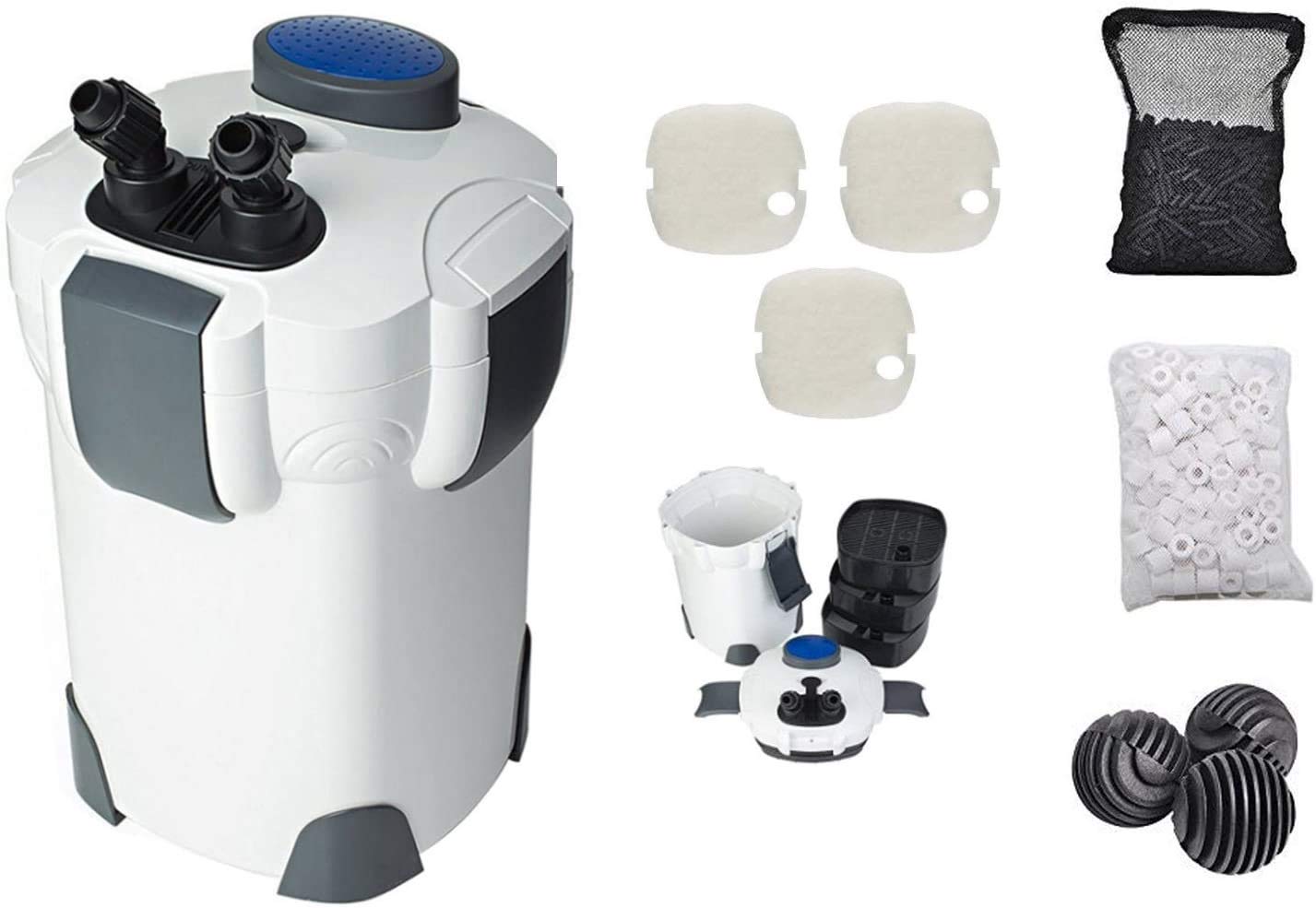
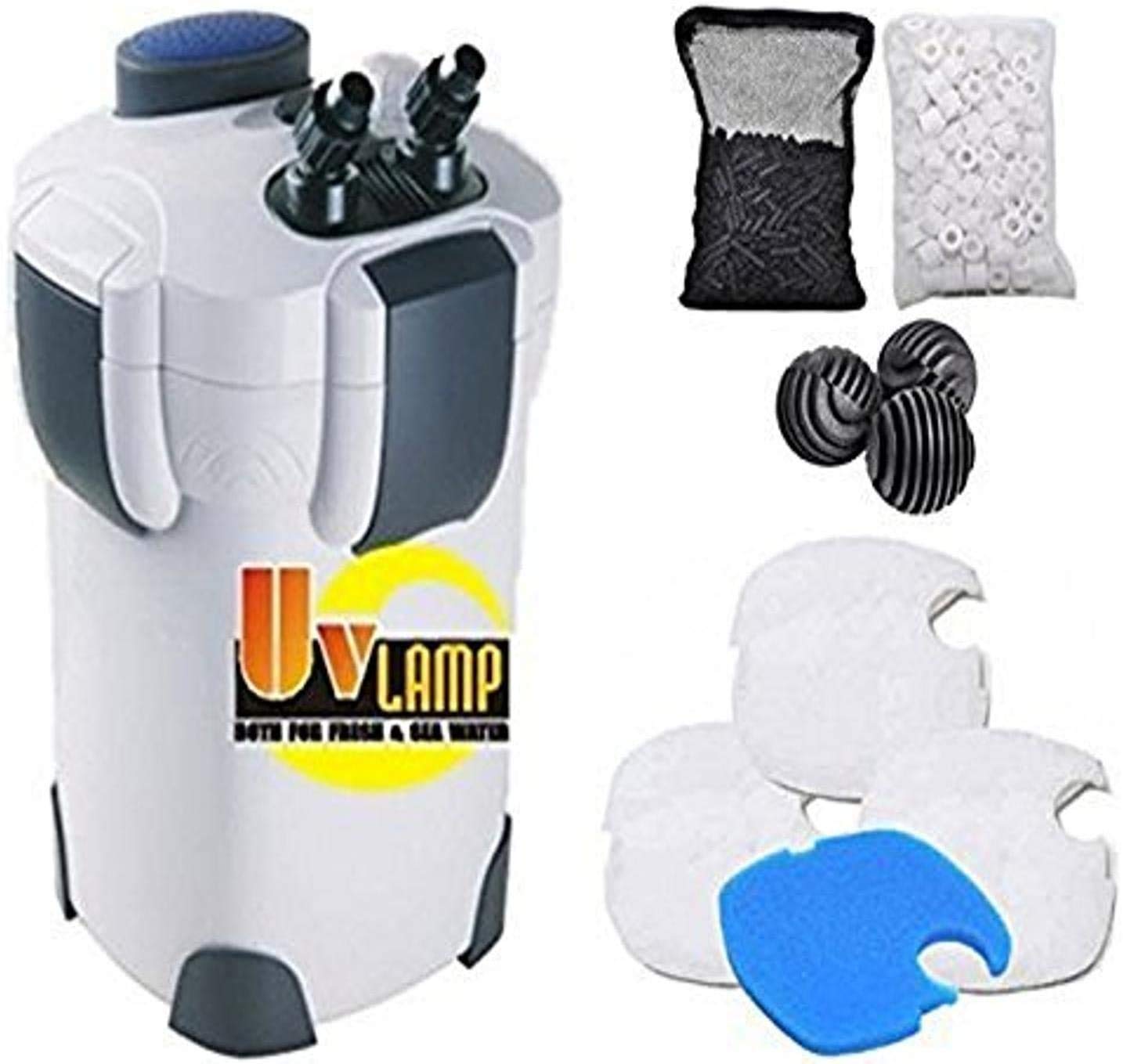
The takeaway: a HOB rated for double or even triple your tank volume isn't overkill in a goldfish setup; it's the baseline. Goldfish produce roughly three to four times the ammonia and waste of a similarly sized tropical community fish, and they kick up substrate constantly. A properly sized HOB is the difference between weekly emergencies and a stable, low-maintenance tank.

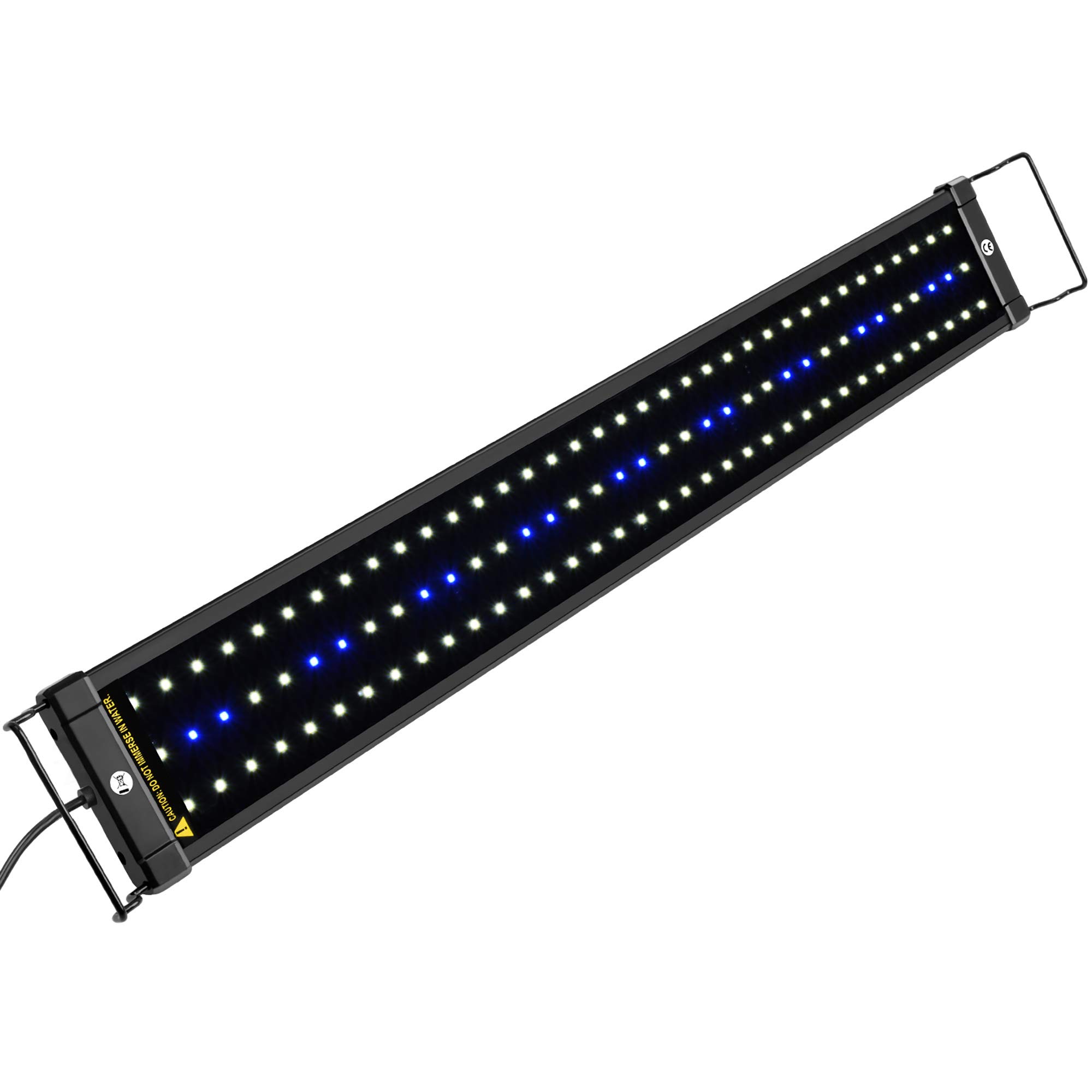
- [Premium 5050 & RGB LED Bulbs] hygger 978 Aquarium led Light features a super-bright 6500K white LEDs paired with the full-spectrum RGB LEDs to emit bright light to bring out the
- [24/7 Mode] This 24/7 fish tank light replicates the natural living conditions, starting with warm orange light at sunrise to 0bright full spectrum light at noon and starry blue
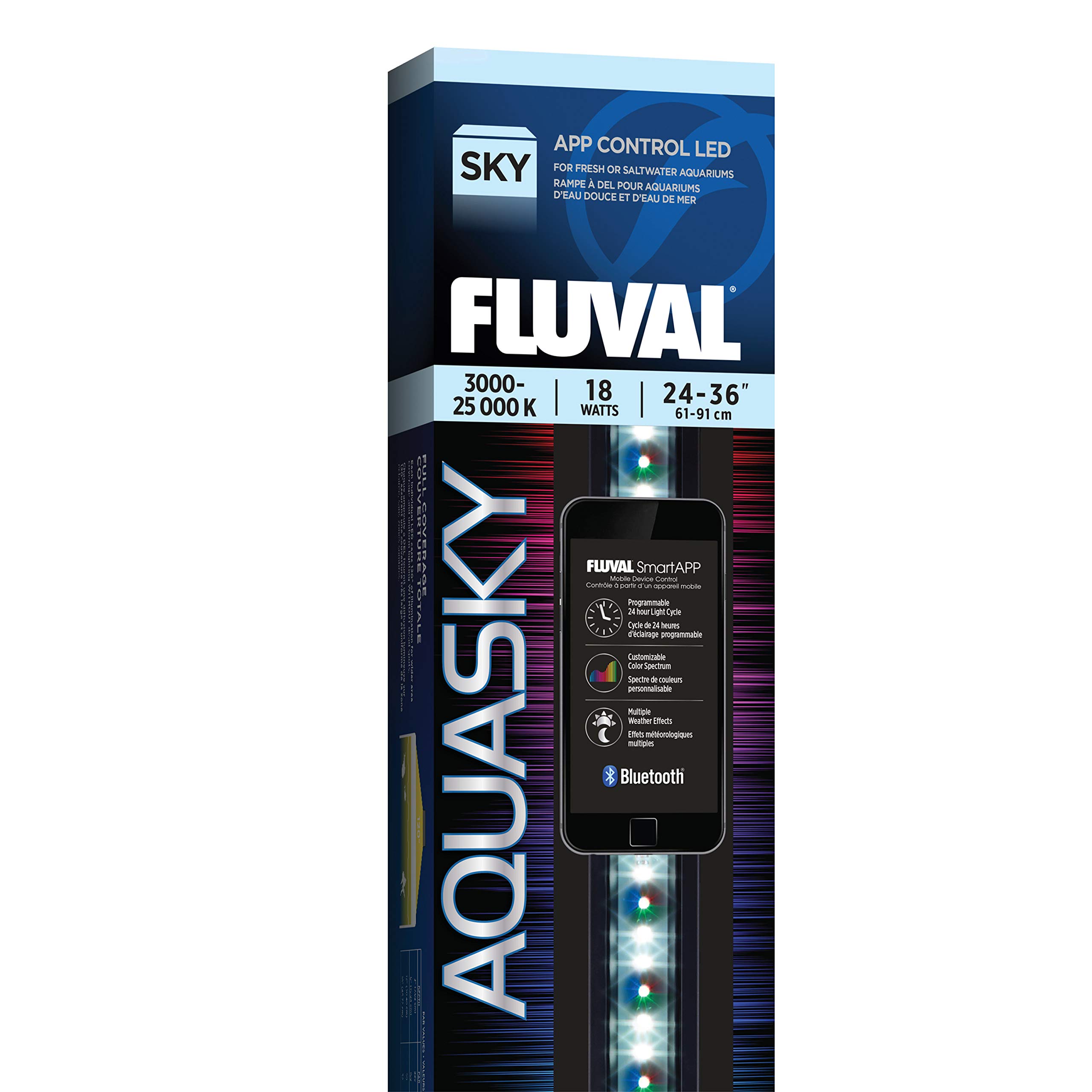
- Fully Customizable RGB + White Spectrum: The Fluval Aquasky 2.0 (18W) delivers vibrant, customizable lighting through RGB LEDs plus 6500K white LEDs. Create infinite color
- Bluetooth Control with FluvalSmart App: Easily program your light via the FluvalSmart App, which gives you total control over brightness, color, and timing. Adjust your 24-hour
Comparison of HOB filter classes for a 10-gallon fancy goldfish tank
| HOB class | Typical GPH | Tank rating | Best for | Trade-off |
|---|---|---|---|---|
| Compact (entry-level) | 50-100 | 10 gallons | Tropical community tanks | Underpowered for goldfish; avoid |
| Mid-size (recommended) | 100-150 | 20-30 gallons | Single fancy goldfish in a 10g grow-out | Sweet spot for footprint and flow |
| Heavy-duty | 150-250 | 40-55 gallons | Two small fancies or future upgrade | Needs flow throttling; bigger profile |
| Dual-pump or multi-stage | 200+ | 50+ gallons | Hardcore keepers planning upgrades | Overkill on a 10g; expensive |
Why hang on back filters are ideal for this setup
In a 10-gallon footprint, you have limited options. Internal sponge filters work but eat up swimming space and produce only modest mechanical filtration. Canister filters are excellent but typically overpriced and oversized for a 10-gallon footprint, with intakes and outflows that crowd the back wall. A hang on back filter sits outside the tank on the rear glass, draws water up through an intake tube, runs it through a media chamber, and waterfalls it back into the aquarium. That setup gives you three big advantages for goldfish:
- Customizable media: most HOB chambers are big enough to stack coarse sponge, fine floss, biological ceramic media, and even purigen or carbon.
- Strong surface agitation: the waterfall return oxygenates the water, which goldfish need more than tropical fish because of their higher metabolic load.
- Easy maintenance access: you can rinse or swap media without disturbing the tank, fish, or substrate.
If you want a broader comparison of filter types, our guide to aquarium filtration systems walks through the trade-offs between HOBs, canisters, sponge filters, and sumps in detail.
The specs that matter for a fancy goldfish HOB
Flow rate (GPH)
For a 10-gallon fancy goldfish tank, target a filter rated between 100 and 150 gallons per hour. That gives you 10 to 15 turnovers per hour on paper, which sounds excessive but translates to about 4 to 6 real turnovers once you account for media restriction, dirty cartridges, and head height. Anything under 100 GPH will struggle to keep up with goldfish waste, and you'll see ammonia spikes within days of any oversight.
Tank rating
Look at the manufacturer's tank rating, not just the GPH. A unit rated for a 20- to 40-gallon tank will give your 10-gallon setup the headroom it needs. Goldfish-specific guidance from most filtration brands suggests doubling the rated capacity for goldfish setups; that's exactly what you should do here.
Media capacity
Cheap HOBs ship with a single proprietary cartridge that combines floss and carbon in one disposable pad. That design is hostile to goldfish keeping because you can't keep a stable biological bacteria colony if you throw the whole cartridge away every month. Prioritize HOBs with open media baskets or refillable chambers where you can stack:
- Coarse sponge (mechanical pre-filter)
- Fine filter floss (mechanical polish)
- Ceramic biological media (nitrifying bacteria home)
- Optional carbon or purigen pouch (chemical polish)
Adjustable flow
Fancy goldfish are weak swimmers, especially round-bodied varieties like ranchus and bubble eyes. A blasting outflow will exhaust them and stress their swim bladders. Pick a HOB with an adjustable flow valve so you can throttle the return without sacrificing the filtration cycle. Some keepers also add a piece of pre-filter sponge over the intake to slow the suction and protect fins.
Quiet operation
The motor and waterfall noise become very noticeable on a small tank. Magnetically driven impellers and self-priming designs tend to run quietest. If you can find published decibel ratings, anything under 40 dB at one meter is acceptable for a bedroom or living room setup.
For a single fancy goldfish in a 10-gallon tank, the mid-size class hits the right balance. The heavy-duty class is worth considering only if you're confident you'll move the same filter to a larger tank within a few months.
How to stack media for a goldfish HOB
The way you arrange media inside the filter chamber matters as much as the brand. Water should flow from coarsest to finest mechanical media, then through biological media, then optionally through chemical media. A reliable stack for the best hang on back filter for 10 gallon fancy goldfish tank duty looks like this, listed in flow order:
- Coarse blue sponge at the intake side to catch large debris, fish flakes, and waste.
- Fine white floss behind it to polish out cloudiness and fine particulate.
- Ceramic biological rings or balls in a mesh bag, taking up the majority of the chamber.
- A small carbon or purigen pouch at the outflow side, swapped monthly for water clarity and tannin control.
Never replace all media at once. Rinse the mechanical sponge in old tank water during weekly maintenance, and only replace floss or carbon while leaving the biological media untouched. Your nitrifying bacteria live primarily on the ceramic media; killing that colony triggers a mini-cycle and an ammonia spike that fancy goldfish handle very poorly. For a deeper look at building stable filtration, our best aquarium filtration tips page covers media rotation in detail.
Setup and placement tips
Once you pick a filter, a few setup details will make a huge difference on a goldfish tank:
- Pre-filter sponge on the intake: a cheap sleeve over the intake tube traps debris before it reaches the impeller, extends the life of the internal media, and prevents fancy goldfish fins from getting pinned to the strainer.
- Lower water line slightly: leaving a half-inch gap between the waterfall and the tank surface increases oxygenation, which matters more for goldfish than almost any other freshwater species.
- Cycle before adding fish: even with a great filter, you need to run a fishless cycle for 3 to 6 weeks before introducing a fancy goldfish. Goldfish cannot tolerate ammonia or nitrite in any measurable amount.
- Pair with a sponge filter for redundancy: many goldfish keepers add a small air-driven sponge filter as a secondary biological backup. It's cheap insurance against impeller failure.
Maintenance schedule for a goldfish-heavy HOB
Goldfish foul water faster than community tropicals, so your maintenance cadence will be more aggressive than a guide for a tetra tank would suggest. A reliable schedule looks like this:
- Daily: glance at the waterfall to confirm flow is normal. A drop in flow is the earliest warning of clogged media.
- Weekly: rinse the coarse sponge and replace fine floss. Perform a 25% to 30% water change. Test ammonia, nitrite, and nitrate.
- Monthly: swap carbon or purigen. Wipe the intake tube and impeller well.
- Quarterly: rinse biological media gently in old tank water (never tap water). Inspect the impeller for biofilm and wear.
For a broader water-quality routine, our aquarium water care guide walks through parameter testing, water changes, and dechlorination in detail.
Frequently Asked Questions
What size HOB filter do I need for a 10 gallon goldfish tank?
For a 10-gallon tank housing a fancy goldfish, choose a hang on back filter rated for 20 to 40 gallons, ideally pushing 100 to 150 GPH. Doubling or tripling the manufacturer's tank rating compensates for the higher waste output of goldfish compared with tropical community fish. Anything rated only for 10 gallons will be overwhelmed within weeks.
Can a fancy goldfish actually live long-term in a 10 gallon tank?
Honestly, no. A single fancy goldfish should be kept in a 20-gallon tank as an absolute minimum, with 10 additional gallons per extra fish. A 10-gallon tank works as a short-term grow-out tank for a juvenile, typically for 6 to 12 months, but you'll want a plan to upgrade. Heavy filtration buys time, but it doesn't replace the water volume goldfish need to thrive.
Is the flow from a hang on back filter too strong for fancy goldfish?
It can be, especially for round-bodied varieties like ranchus, bubble eyes, and orandas. Look for an HOB with adjustable flow, throttle it to the lowest setting that still produces strong surface agitation, and add a pre-filter sponge over the intake to slow suction. You can also break up the outflow with a small spray bar or a piece of filter floss in the waterfall path to soften the current.
Do I need a sponge filter in addition to a HOB for goldfish?
It's not strictly required, but most experienced goldfish keepers run a small air-driven sponge filter alongside their HOB. It adds biological filtration capacity, gives nitrifying bacteria a second home in case the HOB fails, and adds gentle oxygenation. On a 10-gallon footprint, a small nano sponge filter takes up minimal space and pairs well with a mid-size HOB.
How often should I clean a hang on back filter on a goldfish tank?
Plan on weekly mechanical maintenance: rinse the coarse sponge in old tank water, replace fine floss, and check the intake for debris. Carbon or purigen should be replaced monthly. Biological media (ceramic rings or balls) should only be rinsed gently every three months in old tank water, never under the tap, to preserve your nitrifying bacteria colony.
What media should I use in a HOB filter for a fancy goldfish tank?
Skip proprietary all-in-one cartridges and build your own stack: coarse sponge first, then fine floss, then a large volume of ceramic biological media, with a small carbon or purigen pouch last. This layout maximizes mechanical capture of goldfish waste, supports a robust biological colony to handle the ammonia load, and gives you chemical polish for clarity without locking you into expensive disposable cartridges.
Will a HOB filter alone keep my goldfish tank cycled and clean?
A properly sized HOB handles ammonia and nitrite conversion, but it does not remove nitrate, fish poop that settles in substrate, or uneaten food trapped in decor. You still need weekly 25% to 30% water changes, regular substrate vacuuming, and a careful feeding routine. Filtration is one leg of the stool; water changes and feeding discipline are the other two.
Final recommendation
For the best hang on back filter for 10 gallon fancy goldfish tank performance, your shortlist should include any mid-size HOB rated for 20 to 40 gallons, delivering 100 to 150 GPH, with an open media chamber you can pack with sponge, floss, and ceramic biological media. Add a pre-filter sponge on the intake, throttle the flow to protect your fancy's swim bladder, and pair it with a small sponge filter for biological redundancy. Combined with weekly water changes and a fishless cycle before stocking, that setup will keep a juvenile fancy goldfish healthy while you plan the inevitable upgrade to a larger tank. For broader context on choosing filtration across tank sizes, our best aquarium filters of 2026 roundup is a useful next read.