As an Amazon Associate this site earns from qualifying purchases.
The best canister filter for planted shrimp tank low flow setups balances gentle water movement with strong biological filtration. Shrimp like Neocaridina and Caridina need pristine water, but they are tiny, and excessive flow shreds delicate leaves, blasts cap substrate around, and exhausts shrimplets. Look for canisters with adjustable output valves, spray bars or lily pipes, flow rates between 60 and 180 GPH for tanks under 30 gallons, and sealed pre-filter sponges that keep babies out of the impeller. Quiet operation matters too, since most planted shrimp tanks sit in living rooms or offices. This 2026 guide walks through which specs matter, how to size a canister to your tank, and the setup tweaks that turn almost any canister into a shrimp-safe filter.
Why a canister filter fits a planted shrimp tank
Planted shrimp tanks live or die on water stability. Hang-on-back filters work, but their cascading return adds surface agitation that can off-gas CO2 in injected setups and their compact media trays cannot host the bacterial colonies needed to buffer a heavily stocked colony. Sponge filters are shrimp-safe and beloved by breeders, but they leave plant debris in suspension and offer almost no mechanical filtration. A canister sits between those extremes: it pulls water through a large sealed chamber stuffed with mechanical, biological, and chemical media, then returns it gently below the waterline. That sealed design also preserves CO2 in injected planted tanks, which is why aquascapers reach for canisters first.
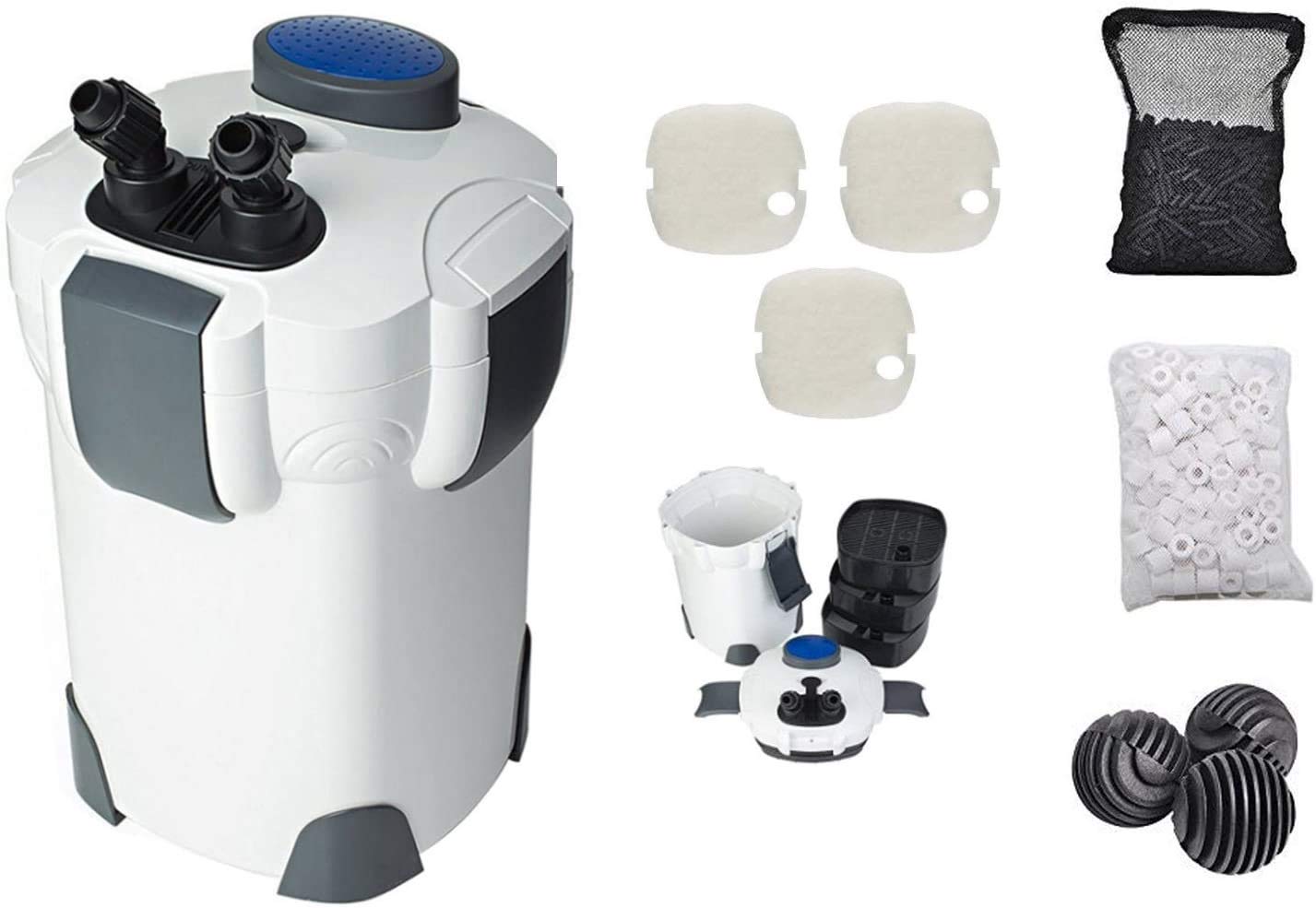
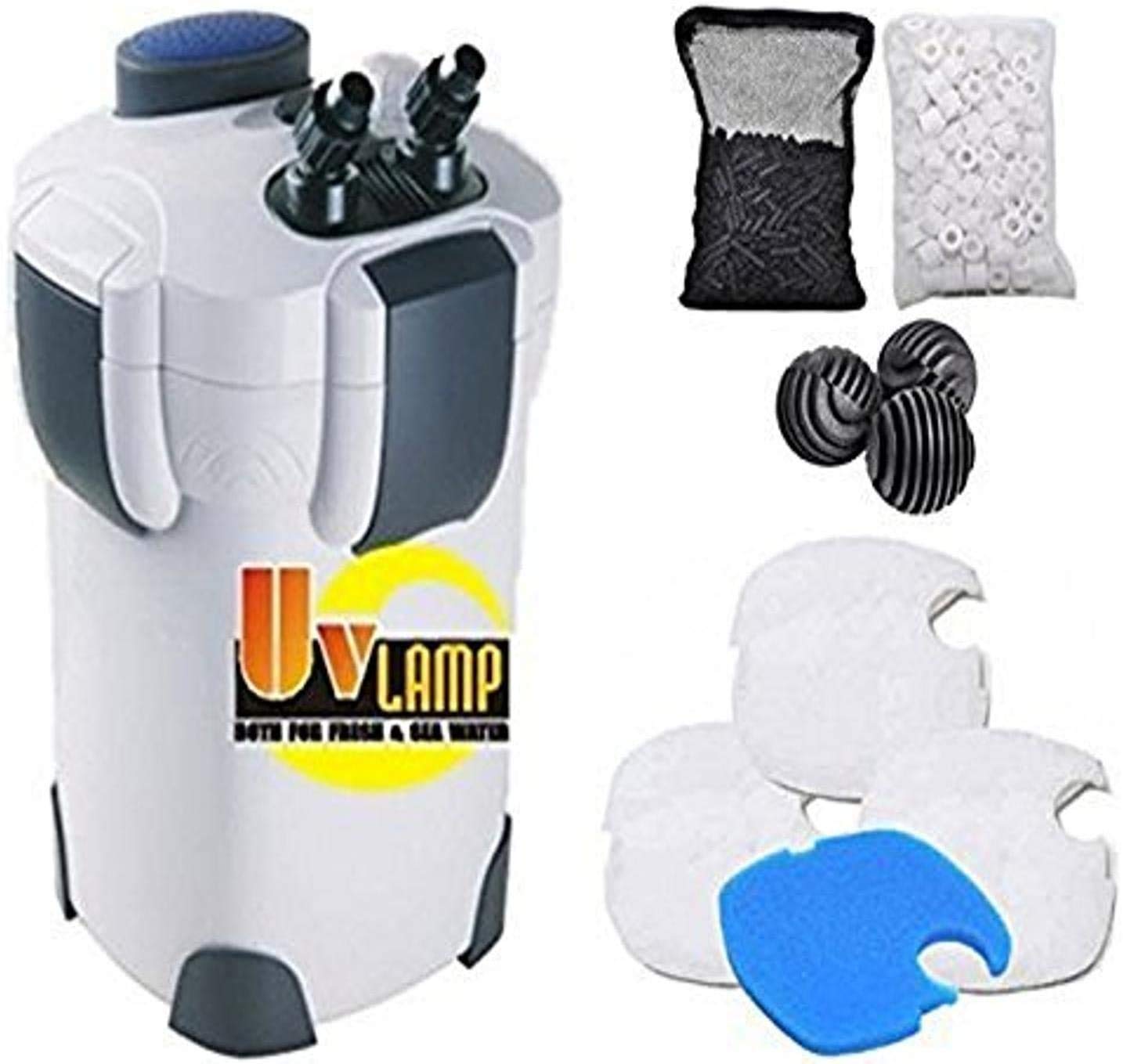
For shrimp specifically, the canister offers three concrete wins. The intake can be wrapped or sponge-guarded so shrimplets do not get sucked in. The output can be split, redirected, or diffused so the colony never fights the current. And the media trays can be rebuilt as the tank matures, so you can start with seeded biomedia from another tank and skip the dangerous early ammonia cycle.

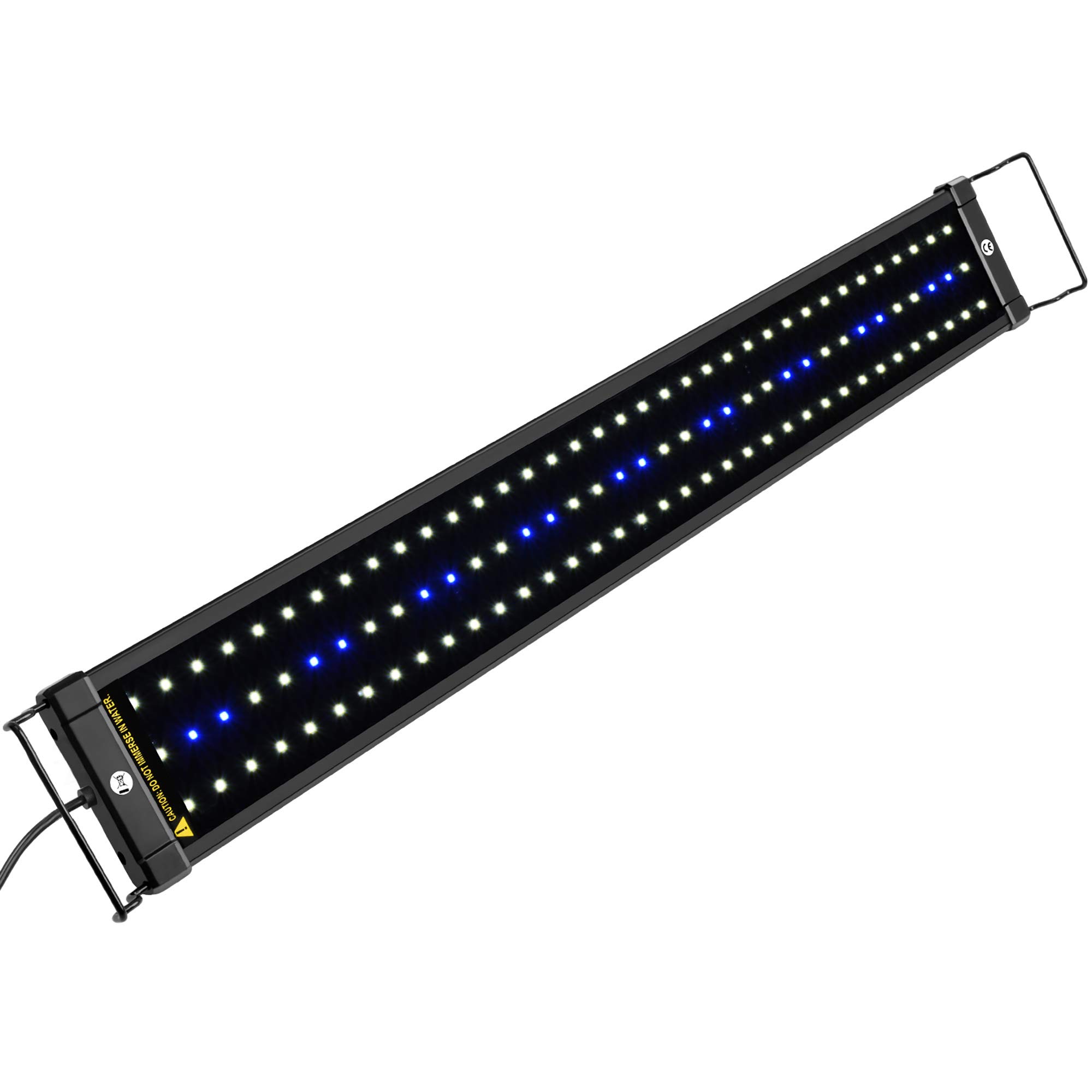
- [Premium 5050 & RGB LED Bulbs] hygger 978 Aquarium led Light features a super-bright 6500K white LEDs paired with the full-spectrum RGB LEDs to emit bright light to bring out the
- [24/7 Mode] This 24/7 fish tank light replicates the natural living conditions, starting with warm orange light at sunrise to 0bright full spectrum light at noon and starry blue
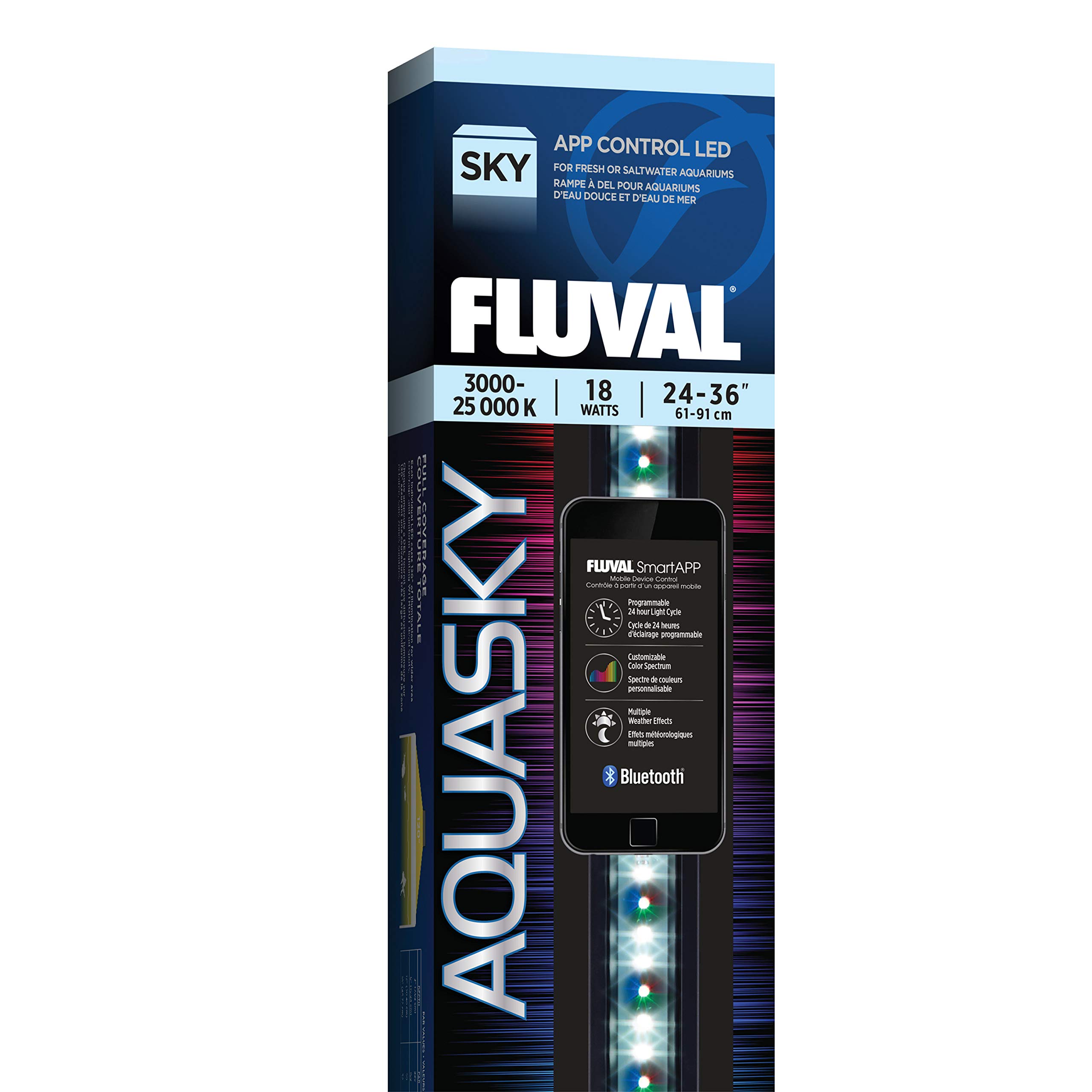
- Fully Customizable RGB + White Spectrum: The Fluval Aquasky 2.0 (18W) delivers vibrant, customizable lighting through RGB LEDs plus 6500K white LEDs. Create infinite color
- Bluetooth Control with FluvalSmart App: Easily program your light via the FluvalSmart App, which gives you total control over brightness, color, and timing. Adjust your 24-hour
Matching canister flow rate to tank size
The traditional planted-tank rule is 5x to 10x tank volume per hour. For a shrimp tank, target the lower end and oversize the filter so you have headroom. Use this rough table:
| Tank size | Target real turnover | Rated canister GPH (oversized) |
|---|---|---|
| 5-10 gallon nano | 30-80 GPH | 80-130 GPH |
| 15-20 gallon | 80-160 GPH | 150-220 GPH |
| 29-30 gallon | 150-240 GPH | 220-300 GPH |
| 40 gallon | 200-320 GPH | 265-370 GPH |
| 55-75 gallon | 275-600 GPH | 400-560 GPH |
The low-flow problem with shrimp
Shrimp are river and stream dwellers in the wild, but they live in the slow eddies behind rocks and root tangles, not in the main current. In a tank, sustained flow above roughly 10 times the tank volume per hour causes three observable problems. First, shrimplets cling to glass and stop foraging because they cannot maintain position over food. Second, biofilm and powdered foods blow into corners before shrimp can graze them, which encourages bacterial blooms. Third, fine substrates such as ADA Amazonia or controsoil drift into mounds, exposing root tabs and disturbing plant root systems.
The fix is not a weaker filter. You actually want strong biological capacity because shrimp molt frequently and produce ammonia spikes. The fix is a canister whose turnover rate is high enough for biofiltration but whose output velocity can be tuned down. That is the entire purpose of the best canister filter for planted shrimp tank low flow shortlist: filters whose pump heads exceed what the tank technically needs, paired with output hardware that diffuses the return.
Specs that matter for a shrimp-safe canister
Adjustable output valves
Every canister rated above 5x turnover for your tank should have a ball valve or rotary valve on the output line. This lets you throttle flow without stressing the impeller. Avoid filters that ask you to throttle the intake side, which can cause cavitation and shorten pump life.
Spray bars and lily pipes
A spray bar spreads return flow across the back glass, breaking what would otherwise be a single jet into dozens of soft streams. Glass lily pipes do the same job aesthetically, with a flared mouth that drops velocity by a factor of three or more. Either accessory transforms a mid-range canister into a low-flow shrimp filter. Many filter kits include a spray bar; if yours does not, generic spray bars in 12 and 16 mm sizes are inexpensive on Amazon.
Intake protection
Pre-filter sponges that slip over the intake strainer are non-negotiable for a shrimp tank. Coarse 30 PPI sponges keep adult shrimp out; for shrimplets and dwarf species, you want 45 PPI or finer. The sponge also acts as a first-stage mechanical filter, capturing plant debris before it reaches the canister and extending the time between deep cleans.
Quiet operation
Magnetic-coupled impellers running in submerged motor housings are quieter than dry external motors. Brands engineered around silence often spec their pumps at less than 35 dB, which is below conversation volume. If the tank lives in a bedroom, check the manufacturer's rated noise level rather than relying on reviews, since perceived loudness varies with cabinet resonance.
Media capacity
For a shrimp tank you want at least 1 liter of biomedia per 10 gallons of water. Canisters in the 3 to 4 liter media volume range comfortably cover tanks up to 40 gallons. Look for tray-style baskets rather than open chambers, because trays let you separate mechanical from biological media and pull just one tray at a time during cleaning, preserving the bacterial colony in the others.
Rated GPH is measured at zero head height with clean media. Real-world flow drops 30 to 50 percent once hoses, lift, and dirty media are factored in, so oversizing is not really oversizing. You then throttle with the output valve or diffuser to the gentle current the shrimp want.
Canister families that work well for shrimp
Without recommending a single SKU, four product families repeatedly show up in shrimp-keeper conversations. The Oase BioMaster line includes a removable pre-filter cartridge that turns weekly maintenance into a 30-second swap and is particularly well suited to shrimp tanks that need frequent mechanical cleaning without disturbing established biomedia. The Eheim Classic line is the workhorse choice, prized for silent magnetic impellers and reliability that often exceeds a decade. The Fluval 07 series offers a tool-free clip system and integrated priming, with adjustable output flow on the larger models. Budget builders often choose SunSun or Hygger canisters, which include UV sterilizers; if you go this route, throttle the output aggressively and add a pre-filter sponge.
For nano shrimp tanks under 10 gallons, a small canister is often overkill and a properly sized internal sponge filter or hang-on-back with a pre-filter does the job. Canisters earn their place from 15 gallons upward, where the media volume and adjustability really pay off.
Setting up the canister to be shrimp-safe
Before you even fill the tank, plan the plumbing. The intake should sit in a low-current corner, ideally behind hardscape so shrimp do not crowd the strainer. Slip a coarse pre-filter sponge over it and zip-tie or rubber-band it in place if the friction fit feels loose. The output should aim across the back glass at a slight downward angle, not into the open swim space. A spray bar mounted just below the waterline gives the most coverage and the gentlest return.
If your canister still pushes too much flow even with the output valve half closed, two further tricks help. A flow diffuser, which is basically a perforated cap that fits on a standard 16/22 mm output, drops velocity by another 40 to 60 percent. And if your tank is heavily planted, the plants themselves will absorb significant flow energy, so wait until the scape grows in before you assume the filter is too strong.
For broader planted-tank filtration strategy, our guide to aquarium filtration systems compares canister, HOB, and sump setups across stocking levels and CO2 use.
Media configuration for a shrimp tank
The canister's stock media is a starting point, not the final answer. Build your trays bottom-up like this:
- Tray 1 (water entry): coarse foam, blue or black, 20 PPI. Catches the largest debris.
- Tray 2: medium foam, 30 PPI, plus a thin polishing pad on top.
- Tray 3: primary biomedia. Sintered glass rings, ceramic noodles, or Matrix-style porous rock. This is where most of your bacteria live.
- Tray 4 (water exit): fine filter floss, replaced every 2 to 3 weeks, for water polishing.
Skip activated carbon in shrimp tanks for the first six months. Carbon strips tannins and trace minerals that shrimp benefit from, and it offers no advantage once a tank is biologically stable. If you ever need to remove a medication, run carbon for 48 hours and then pull it.
Maintenance routine that protects the colony
The single biggest mistake new shrimp keepers make is deep-cleaning the canister all at once and crashing the cycle. Instead, run a rolling maintenance schedule. Every two weeks, rinse the pre-filter sponge in tank water during a water change. Every month, swap the polishing floss. Every three to four months, clean one mechanical tray in tank water and inspect impeller and o-rings. Leave the biomedia trays alone unless flow has dropped noticeably; a gentle swish in tank water once a year is plenty.
Keep TDS and parameters stable. Neocaridina tolerate a wider range (GH 6-12, KH 2-6, TDS 200-350) than Caridina (GH 4-6, KH 0-1, TDS 100-150), so confirm your tap chemistry before stocking. For more on dialing parameters in, see maintaining optimal aquarium water quality.
Common mistakes to avoid
Three errors come up repeatedly in shrimp-keeper forums. The first is undersizing the canister to limit flow, which actually starves the colony of biofiltration and forces you to do weekly large water changes. Always oversize the canister and throttle the output instead. The second is using fine-grain mechanical media against a closed pre-filter, which blocks rapidly and forces water to bypass the trays. Use coarse-to-fine layering. The third is treating the canister as a set-and-forget appliance; even silent filters need quarterly inspection of o-rings and impellers, and a single dried gasket can flood a cabinet.
If your planted shrimp tank shares a footprint with a larger display tank, our piece on the best canister filter for a heavily planted 75 gallon tank covers the larger-volume tradeoffs. And for a broader cross-brand shortlist of canister and HOB picks, the best aquarium filters of 2026 roundup is the right next read.
Frequently Asked Questions
What flow rate is too high for a shrimp tank?
As a rule of thumb, sustained turnover above 10x tank volume per hour creates fatigue and feeding problems for shrimp, especially shrimplets. A 20-gallon tank above roughly 200 GPH of real, in-tank flow is pushing the limit. Oversize the filter for biofiltration and throttle the output to land in the 5x to 8x range.
Can I run a canister filter without CO2 injection on a shrimp tank?
Yes. The sealed design of a canister is helpful for CO2 retention but it is not required. Many low-tech planted shrimp tanks run canisters precisely because of the large biomedia volume and quiet operation, with no CO2 system at all.
Do I need a UV sterilizer on a planted shrimp tank canister?
UV is optional. It helps clear green water algae and some pathogens, but it can also denature certain liquid plant fertilizers and degrade beneficial bacteria suspended in the water column. If you add a UV, run it only when needed rather than constantly.
How do I keep shrimplets out of the canister intake?
Slip a fine-pore pre-filter sponge (45 PPI or finer) over the intake strainer and secure it with a rubber band or zip-tie. This is the single most important shrimp-safety modification on any canister, and the sponge also functions as a coarse mechanical first stage.
How often should I clean a canister on a shrimp tank?
Rinse the pre-filter sponge every two weeks in tank water. Swap polishing floss monthly. Deep-clean one mechanical tray every three to four months, in tank water only, and leave biomedia trays untouched for at least a year. Avoid cleaning everything at once to preserve the bacterial colony.
Is a canister filter better than a sponge filter for shrimp?
For tanks under 10 gallons, sponge filters are equal or better because they offer zero suction risk and ample biofiltration for low bioloads. From 15 gallons up, canisters win on water clarity, plant compatibility, and CO2 retention, while still being shrimp-safe with a pre-filter sponge.
What canister size do I need for a 20-gallon planted shrimp tank?
Look for a canister rated between 150 and 220 GPH. That gives you the biofiltration headroom of a 7-10x turnover filter, and you can throttle it down with the output valve and a spray bar to a shrimp-friendly 4-6x real-world flow. Smaller-rated canisters tend to clog quickly under planted-tank debris loads.